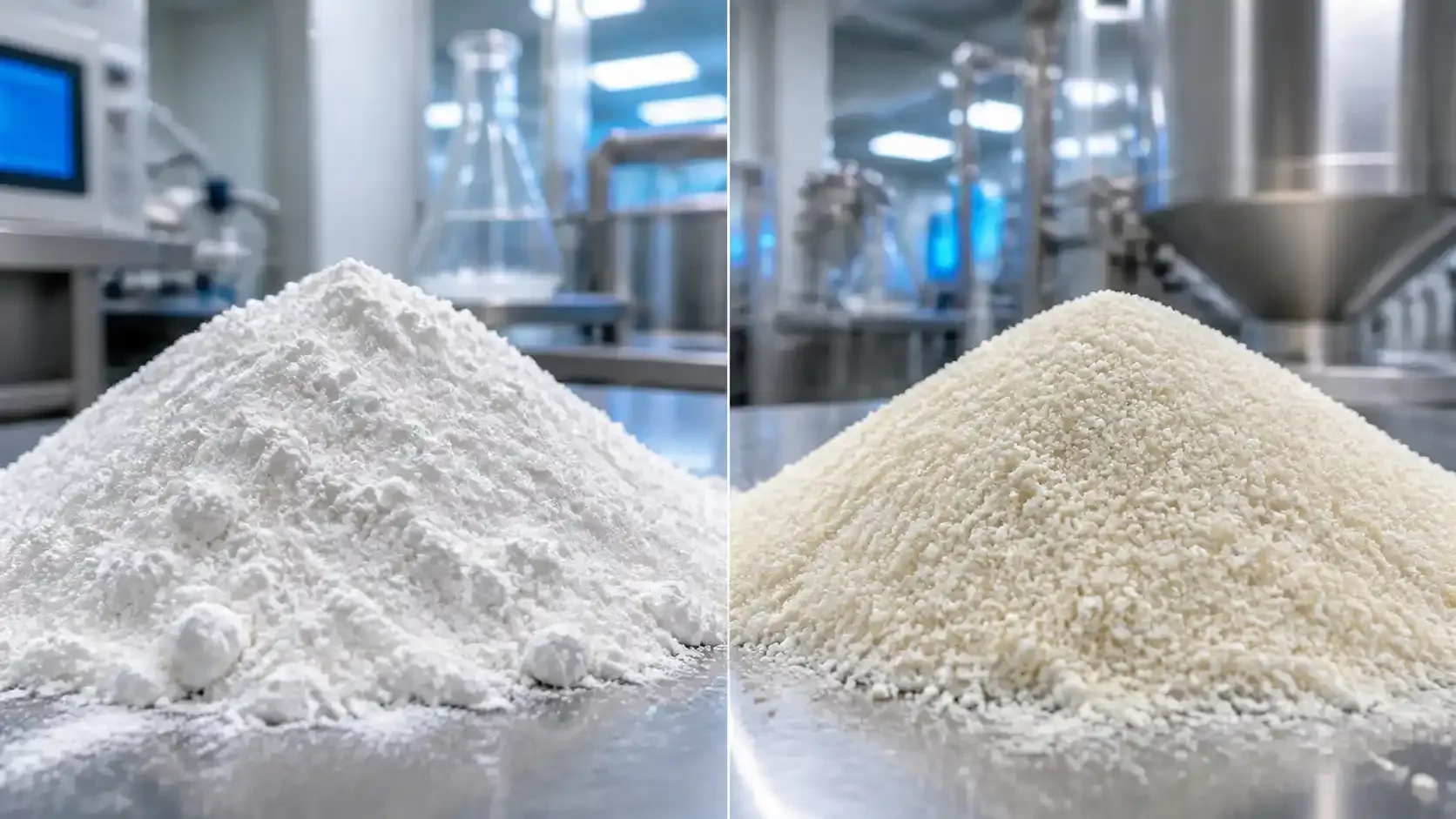
Global procurement teams face a dual mandate: deliver lower sugar, higher fiber products while strictly maintaining the taste, texture, and manufacturability consumers expect. In practice, this necessitates selecting a resistant dextrin supplier China teams can trust for predictable solubility and f
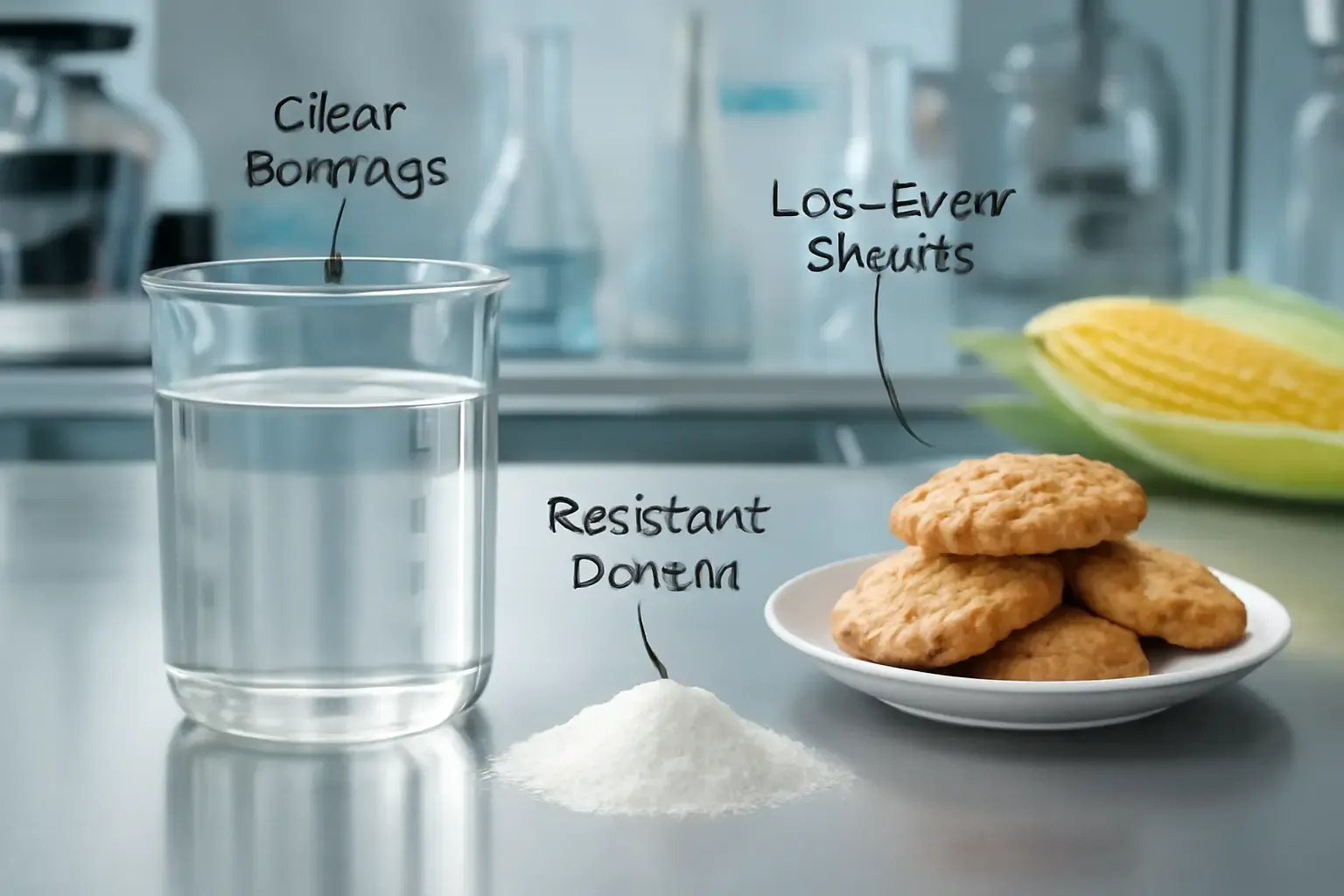
Buyer-focused formulation trials for clear beverages and low-sugar snacks using China resistant dextrin plus MCC checks for solid formats. Accessible nutrition in 2026 is less about "hero" claims and more about everyday formats that can carry fiber without breaking taste, clarity, or cost targets. F
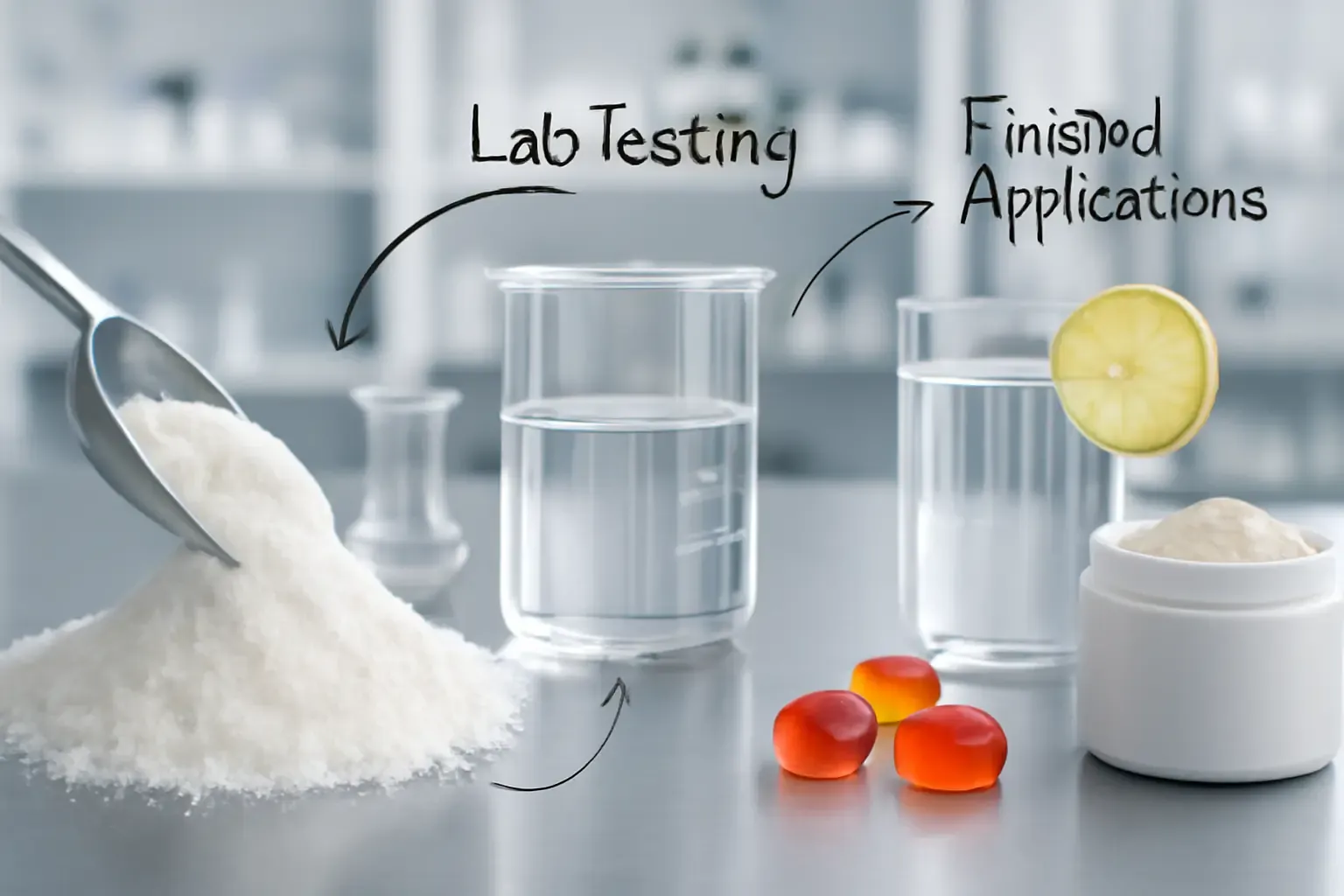
Two pilots tend to separate brochure claims from real performance: a low-sugar beverage that must stay clean and stable, and a keto snack that must deliver fiber without turning gritty or sticky. In both cases, professional buyers are not really “buying a fiber”—they are buying predictable behavior

Fiber-forward product development has moved far beyond the niche “better-for-you” aisles. As we look toward 2026, brands are targeting a trifecta of consumer demands: digestive-friendly benefits , significantly lower sugar profiles , and mainstream taste —often in formats that need to scale rapidly.
Accessible nutrition is shifting from a marketing phrase to a hard formulation requirement: deliver meaningful fiber, reduce sugar, and keep texture stable at mass-market cost . In 2026 trend coverage, 50% of Gen Z and millennials say they want functional foods that go beyond protein, including fibe
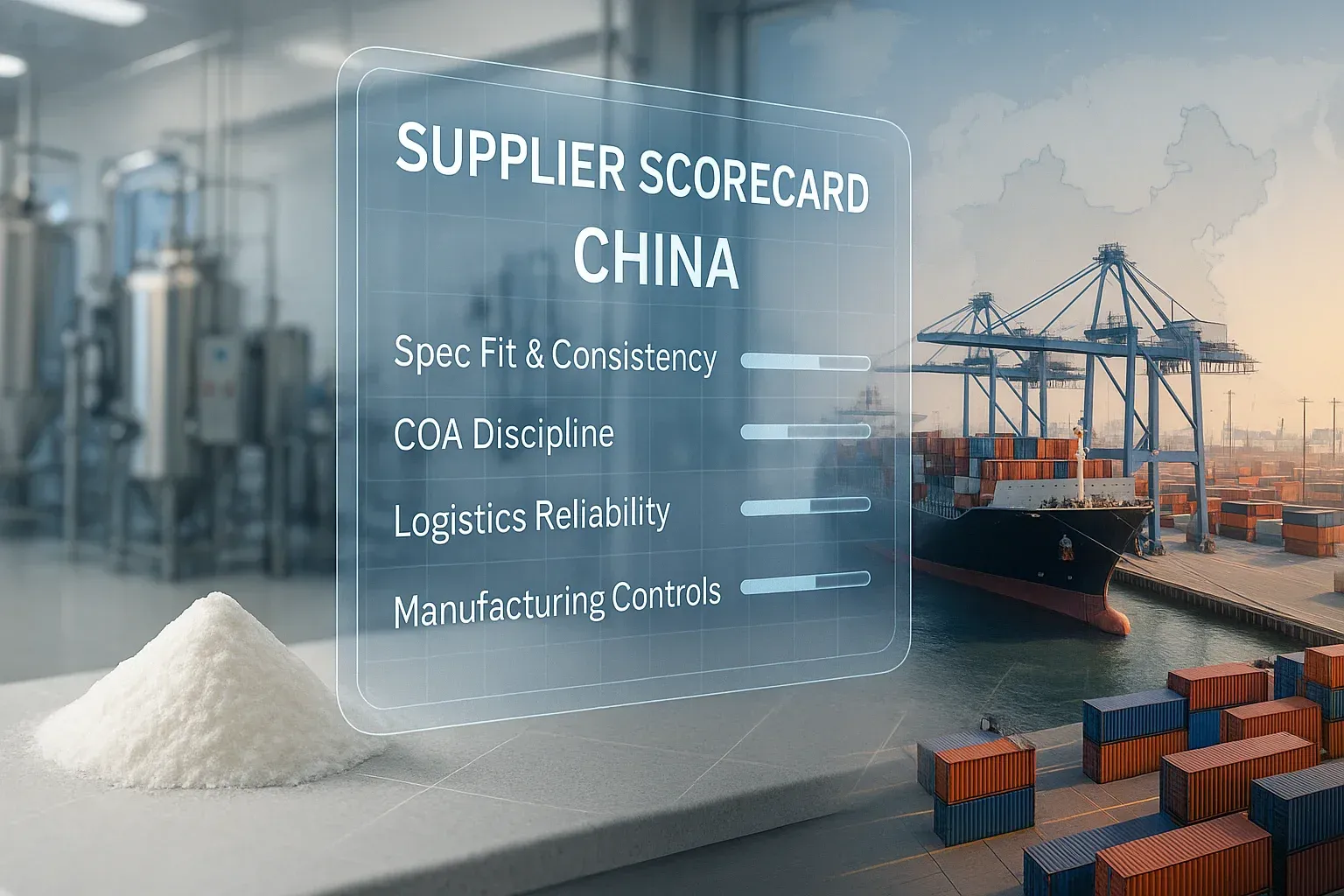
Procurement teams rarely lose margin on FOB price alone. The real cost swing happens later—when a resistant dextrin lot fails a key spec, when lead times slip and you reformulate around a different solubility profile, or when a microcrystalline cellulose (MCC) grade does not compress the way your ta
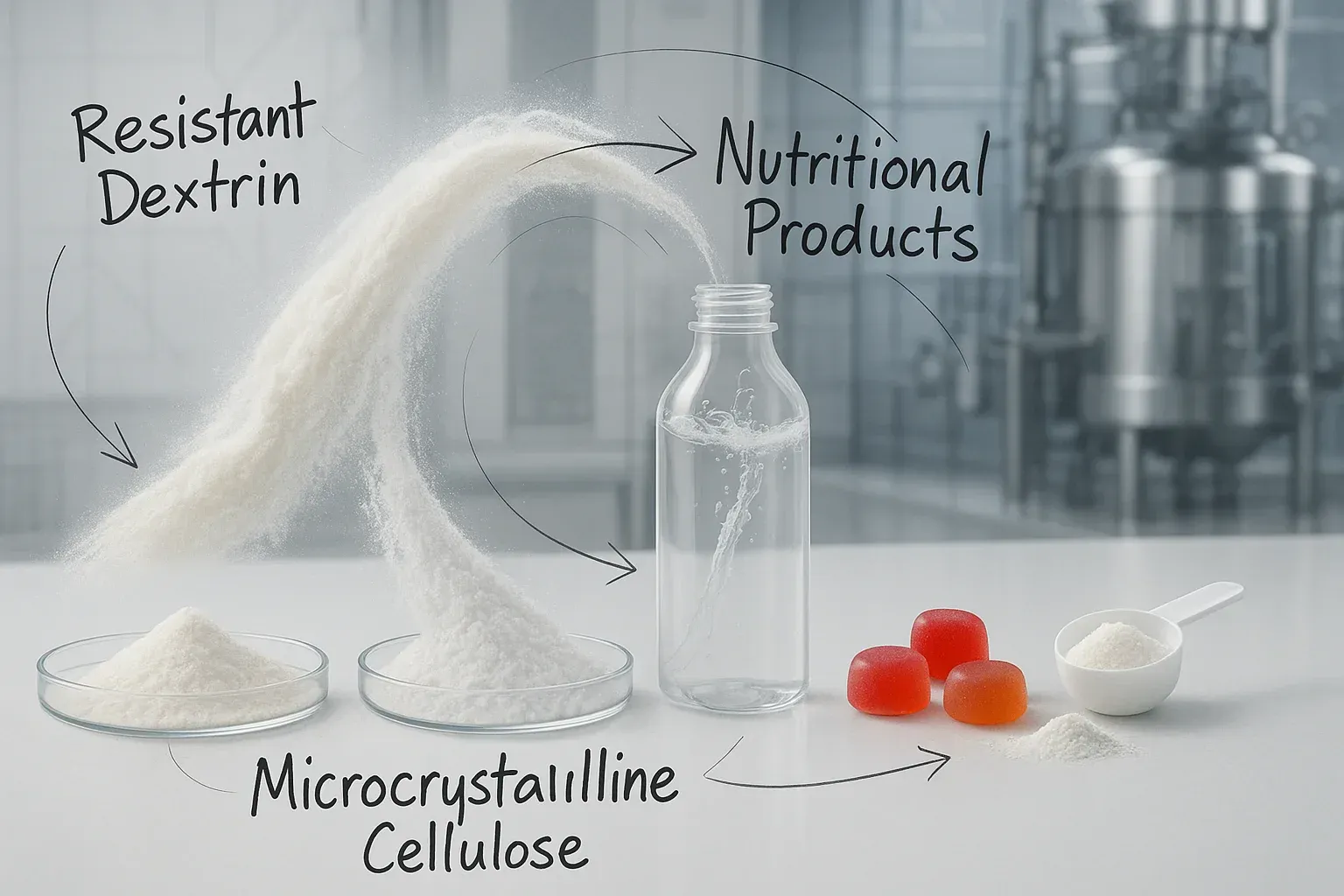
In 2026, “accessible nutrition” is no longer just a marketing headline—it’s a rigid formulation constraint. Buyers face increasing pressure to launch fiber + protein products that taste clean, process reliably, and maintain defensible claims at scale. This market shift is fundamentally changing sour
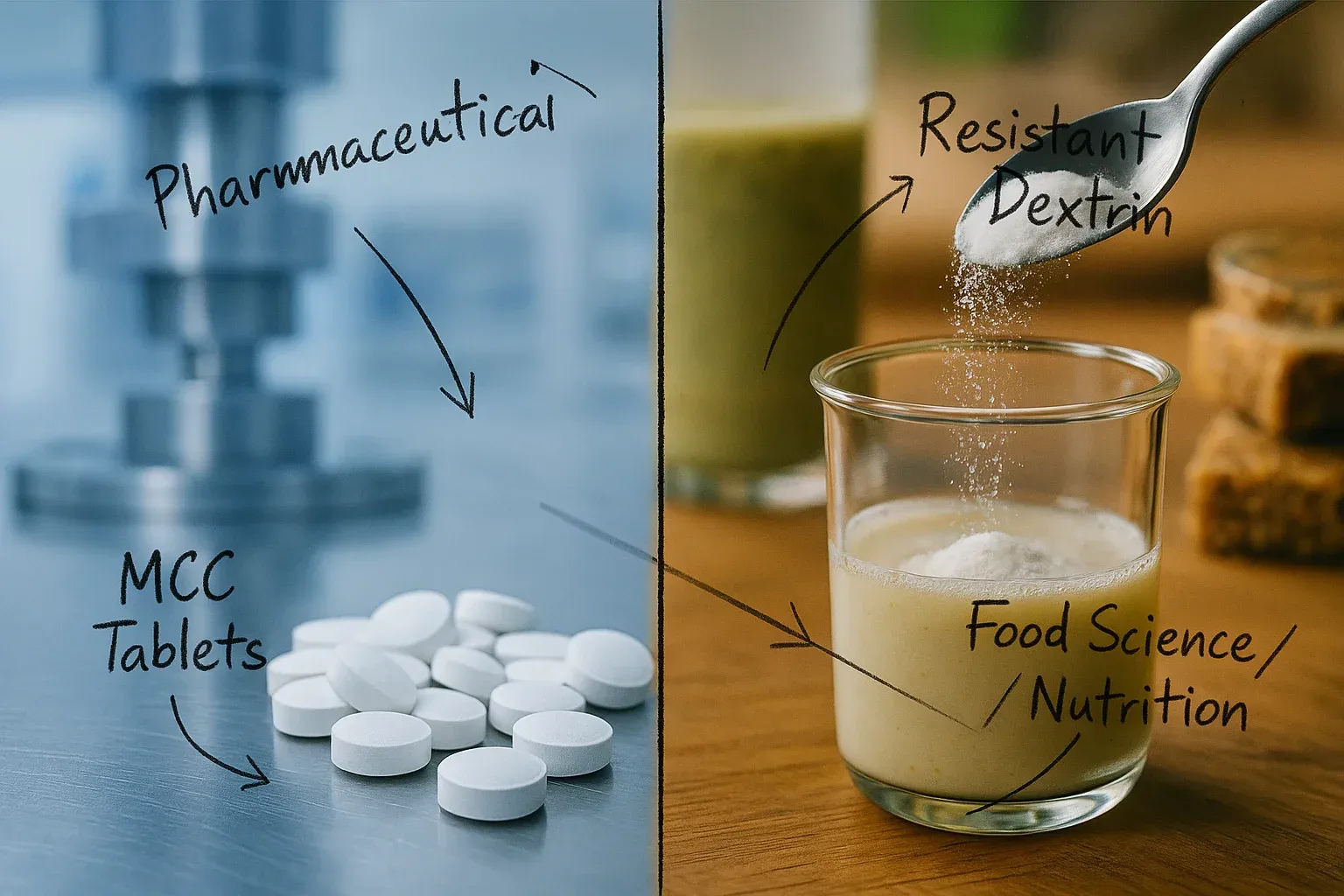
Fiber-forward product briefs for 2026 look ambitious on paper—"protein + fiber," lower sugar, cleaner mouthfeel, faster tablet throughput. In practice, teams still win by leaning on two proven workhorses: MCC (microcrystalline cellulose) for tablets and resistant dextrin for beverages, powders, and
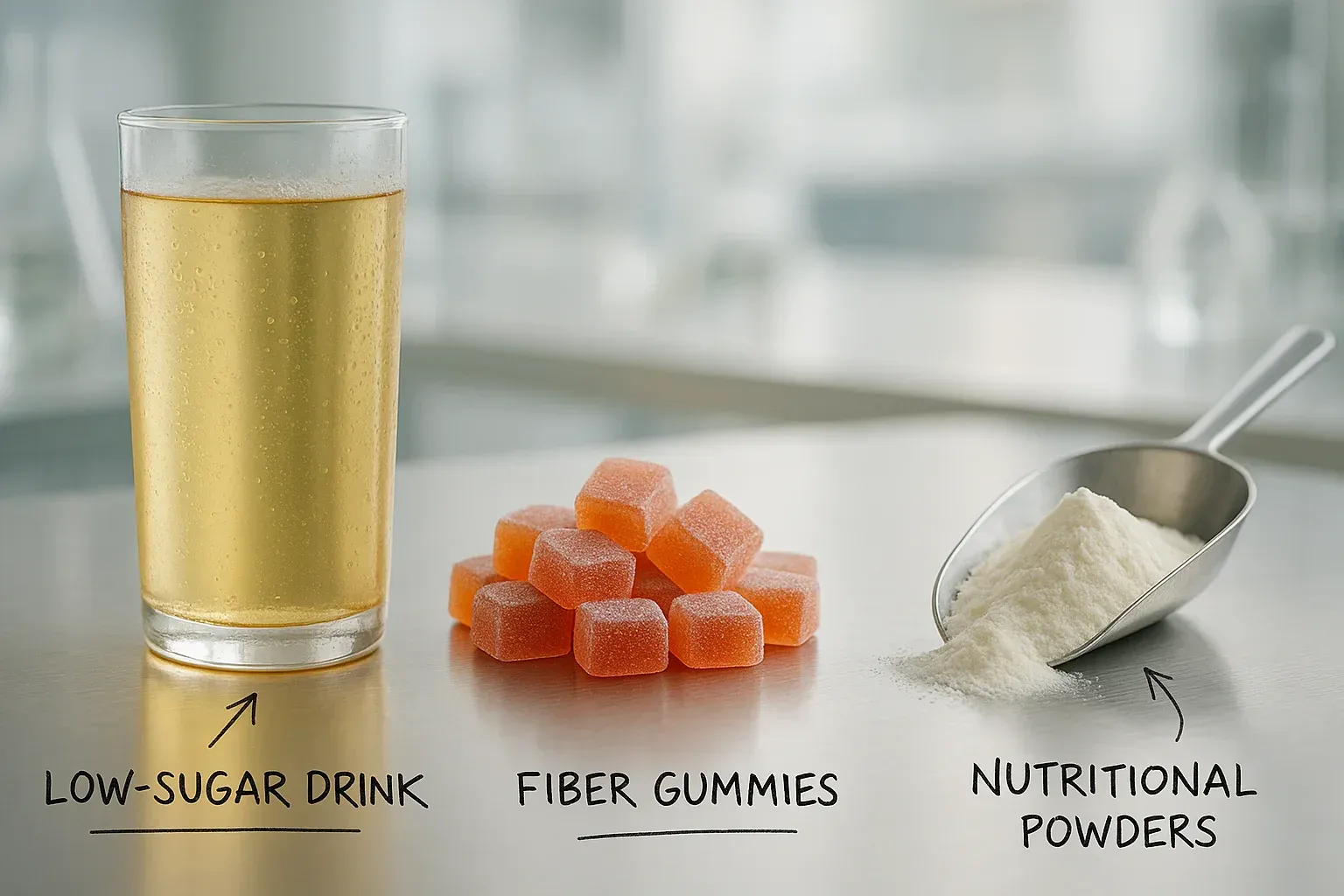
For many procurement teams and product developers, the success of weight-management and “better-for-you” launches hinges on a single, critical question: does the fiber behave the same in the factory as it does on a spec sheet? The fastest route to predictable performance often involves piloting a Ch
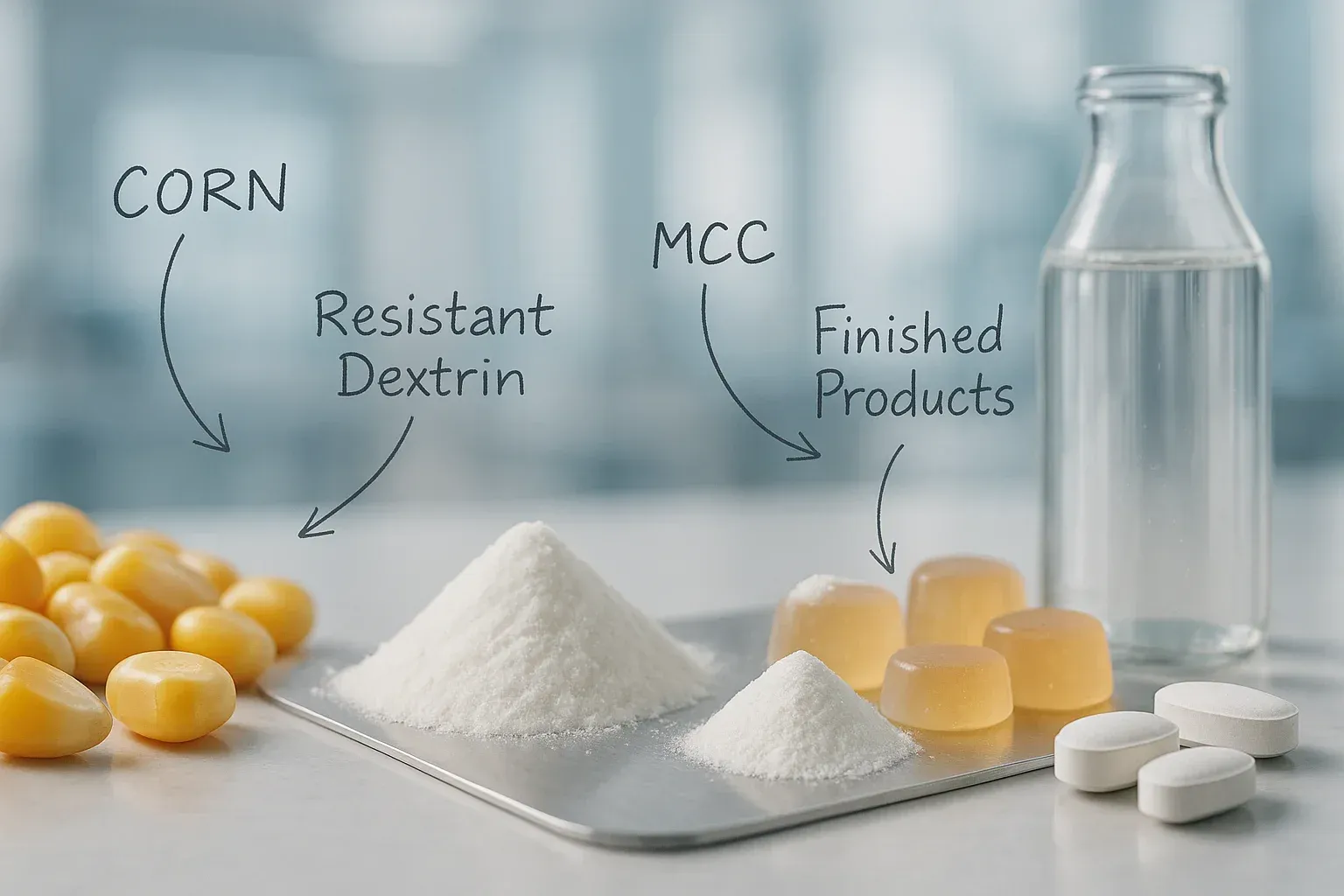
Fiber has evolved from a label luxury to a formulation necessity. By 2026, industry forecasts suggest that many product briefs will begin with fiber targets first, subsequently working backward into sweetness profiles, mouthfeel, process conditions, and packaging stability. For procurement teams, th

Fiber-forward launches in 2026 are less about simply “adding fiber” and more about building a repeatable supply spec that survives scale-up. Procurement teams are being asked to move faster—yet still prove documentation depth, traceability, and consistent performance across applications. This case-s
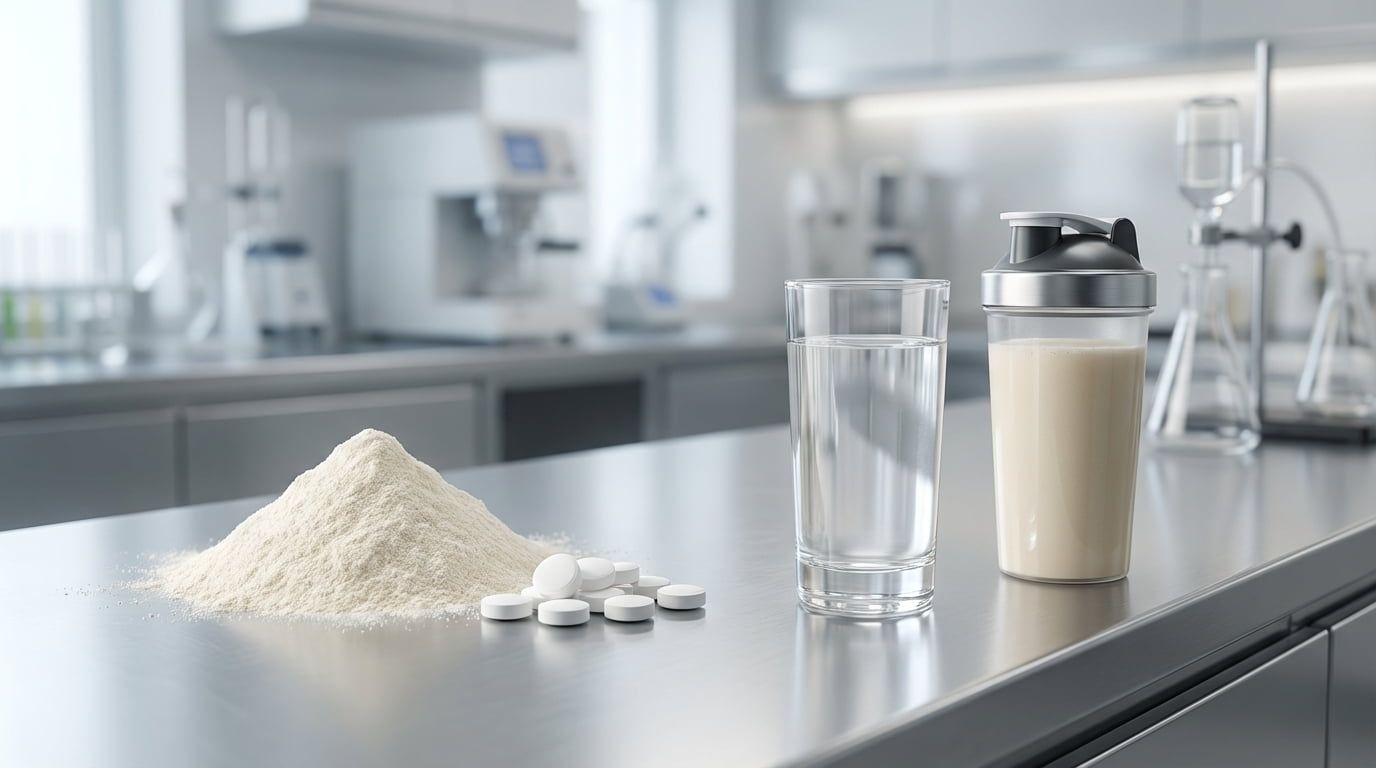
Discover why resistant dextrin and MCC are essential for 2026 product launches. Expert insights on sourcing specs for fiber drinks, GLP-1 shakes, and direct-compression tablets. Fiber-first product briefs are evolving rapidly. As we approach 2026, buyers are no longer satisfied with generic ingredie
Global procurement teams face a dual mandate: deliver lower sugar, higher fiber products while strictly maintaining the taste, texture, and manufacturability consumers expect. In practice, this necessitates selecting a resistant dextrin supplier China teams can trust for predictable solubility and f
Buyer-focused formulation trials for clear beverages and low-sugar snacks using China resistant dextrin plus MCC checks for solid formats. Accessible nutrition in 2026 is less about "hero" claims and more about everyday formats that can carry fiber without breaking taste, clarity, or cost targets. F
Two pilots tend to separate brochure claims from real performance: a low-sugar beverage that must stay clean and stable, and a keto snack that must deliver fiber without turning gritty or sticky. In both cases, professional buyers are not really “buying a fiber”—they are buying predictable behavior
Fiber-forward product development has moved far beyond the niche “better-for-you” aisles. As we look toward 2026, brands are targeting a trifecta of consumer demands: digestive-friendly benefits , significantly lower sugar profiles , and mainstream taste —often in formats that need to scale rapidly.
Accessible nutrition is shifting from a marketing phrase to a hard formulation requirement: deliver meaningful fiber, reduce sugar, and keep texture stable at mass-market cost . In 2026 trend coverage, 50% of Gen Z and millennials say they want functional foods that go beyond protein, including fibe
Procurement teams rarely lose margin on FOB price alone. The real cost swing happens later—when a resistant dextrin lot fails a key spec, when lead times slip and you reformulate around a different solubility profile, or when a microcrystalline cellulose (MCC) grade does not compress the way your ta
In 2026, “accessible nutrition” is no longer just a marketing headline—it’s a rigid formulation constraint. Buyers face increasing pressure to launch fiber + protein products that taste clean, process reliably, and maintain defensible claims at scale. This market shift is fundamentally changing sour
Fiber-forward product briefs for 2026 look ambitious on paper—"protein + fiber," lower sugar, cleaner mouthfeel, faster tablet throughput. In practice, teams still win by leaning on two proven workhorses: MCC (microcrystalline cellulose) for tablets and resistant dextrin for beverages, powders, and
For many procurement teams and product developers, the success of weight-management and “better-for-you” launches hinges on a single, critical question: does the fiber behave the same in the factory as it does on a spec sheet? The fastest route to predictable performance often involves piloting a Ch
Fiber has evolved from a label luxury to a formulation necessity. By 2026, industry forecasts suggest that many product briefs will begin with fiber targets first, subsequently working backward into sweetness profiles, mouthfeel, process conditions, and packaging stability. For procurement teams, th
Fiber-forward launches in 2026 are less about simply “adding fiber” and more about building a repeatable supply spec that survives scale-up. Procurement teams are being asked to move faster—yet still prove documentation depth, traceability, and consistent performance across applications. This case-s
Discover why resistant dextrin and MCC are essential for 2026 product launches. Expert insights on sourcing specs for fiber drinks, GLP-1 shakes, and direct-compression tablets. Fiber-first product briefs are evolving rapidly. As we approach 2026, buyers are no longer satisfied with generic ingredie