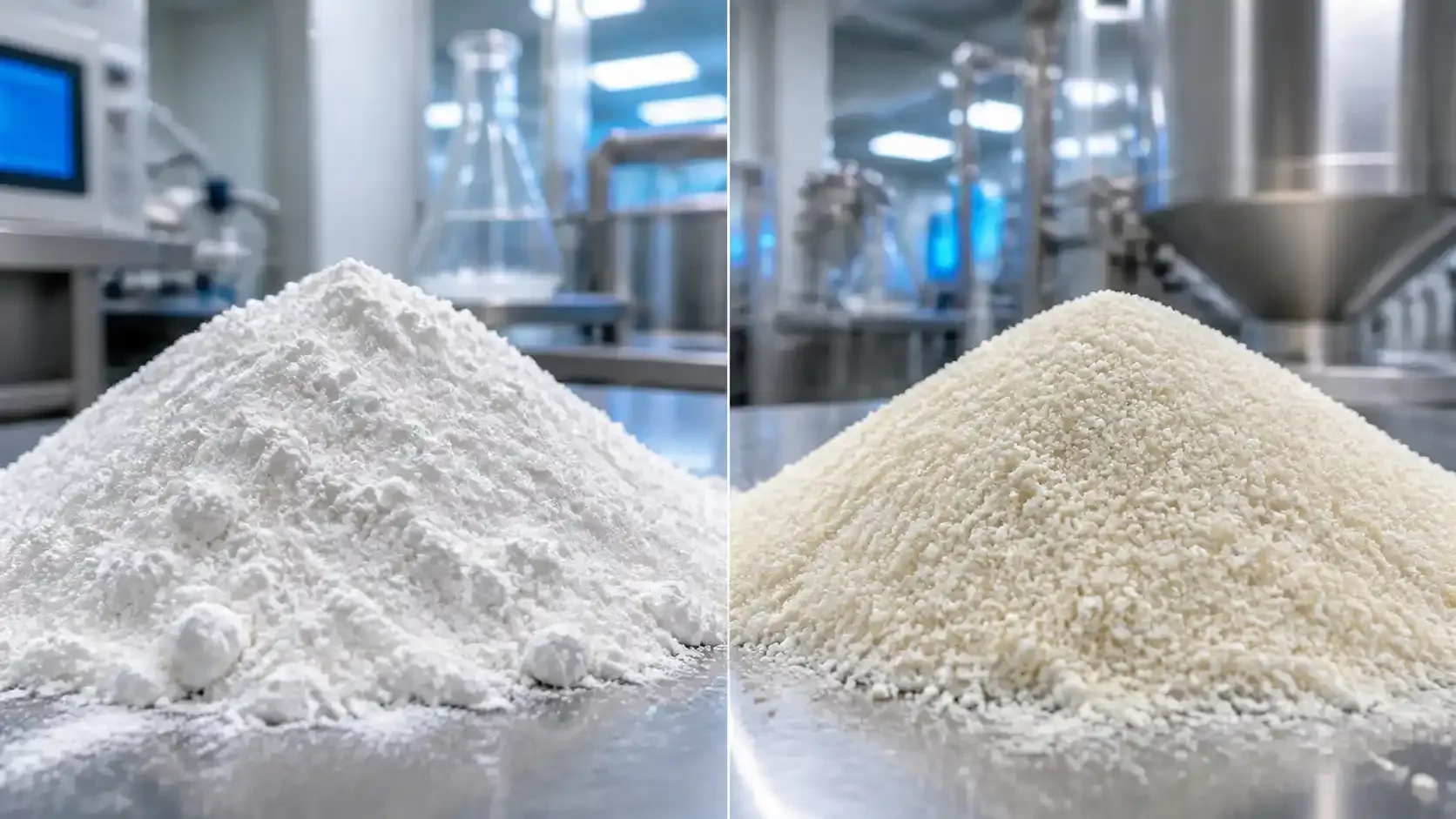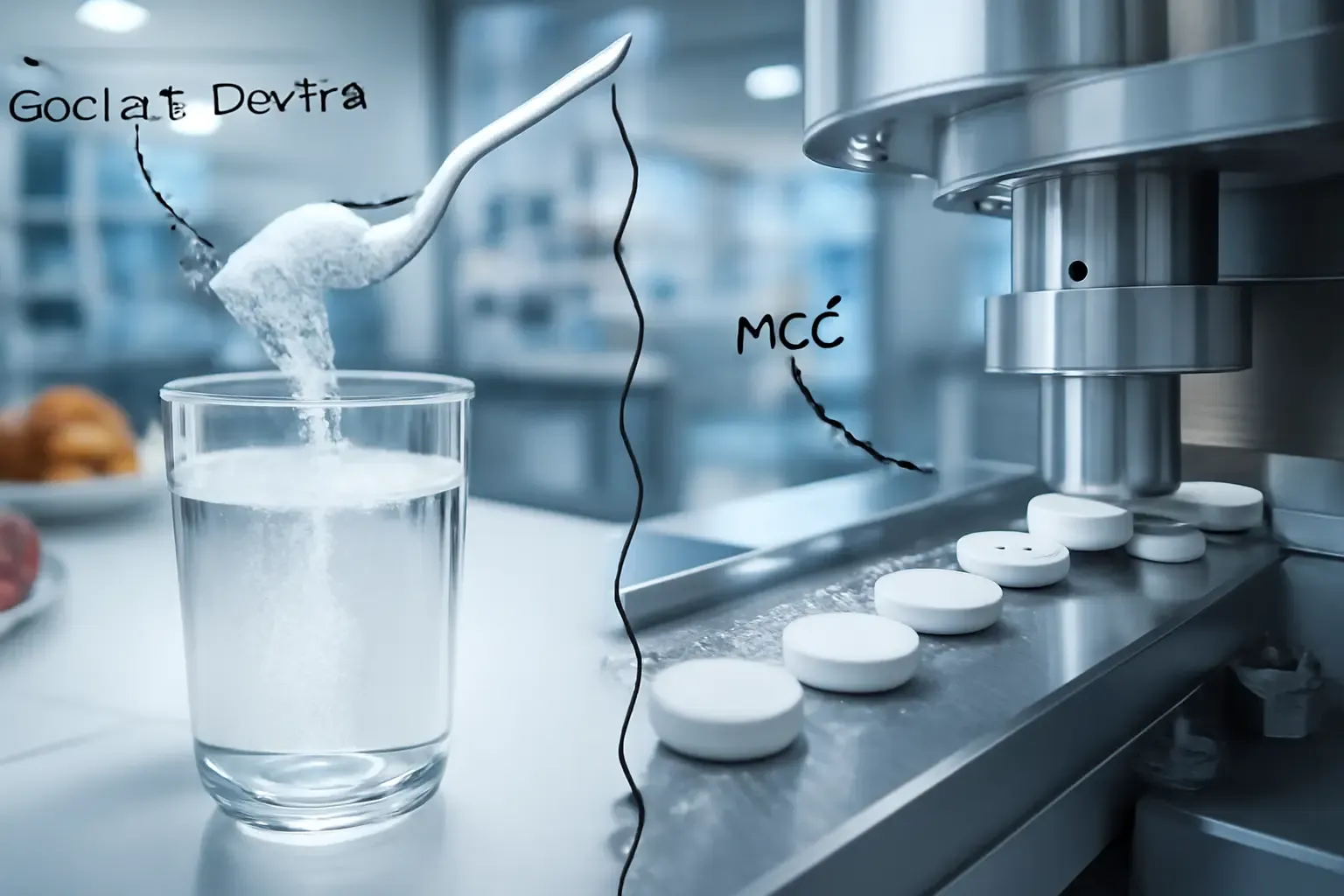
Fiber enrichment is no longer a mere renovation for food and pharmaceutical brands—it is often the cleanest path to lower sugar, better texture, and more resilient product positioning. In practice, two ingredients show up repeatedly in modern procurement briefs: resistant dextrin (also marketed as s
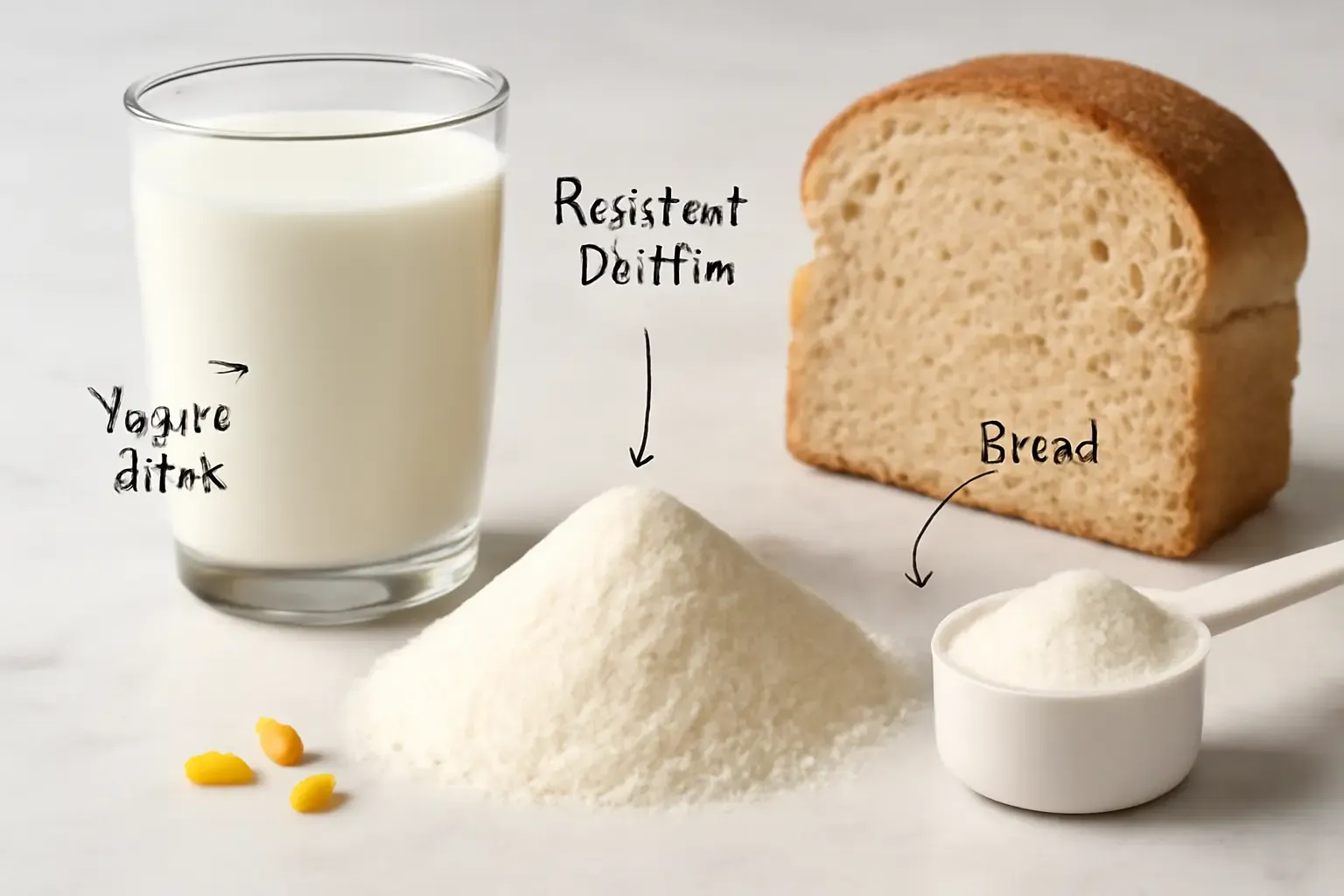
The global shift towards gut-friendly, low-sugar formulations has placed unprecedented pressure on supply chains. Procurement officers are no longer just buying bulk ingredients; they are sourcing functional solutions that must perform flawlessly across diverse food matrices. Procurement teams are s
Fibremaxxing has transitioned from a social media buzzword to a rigorous formulation reality. For procurement teams, this shift carries a practical consequence: product launches increasingly succeed—or stall—based on whether the fiber system was sourced and qualified correctly, rather than just the
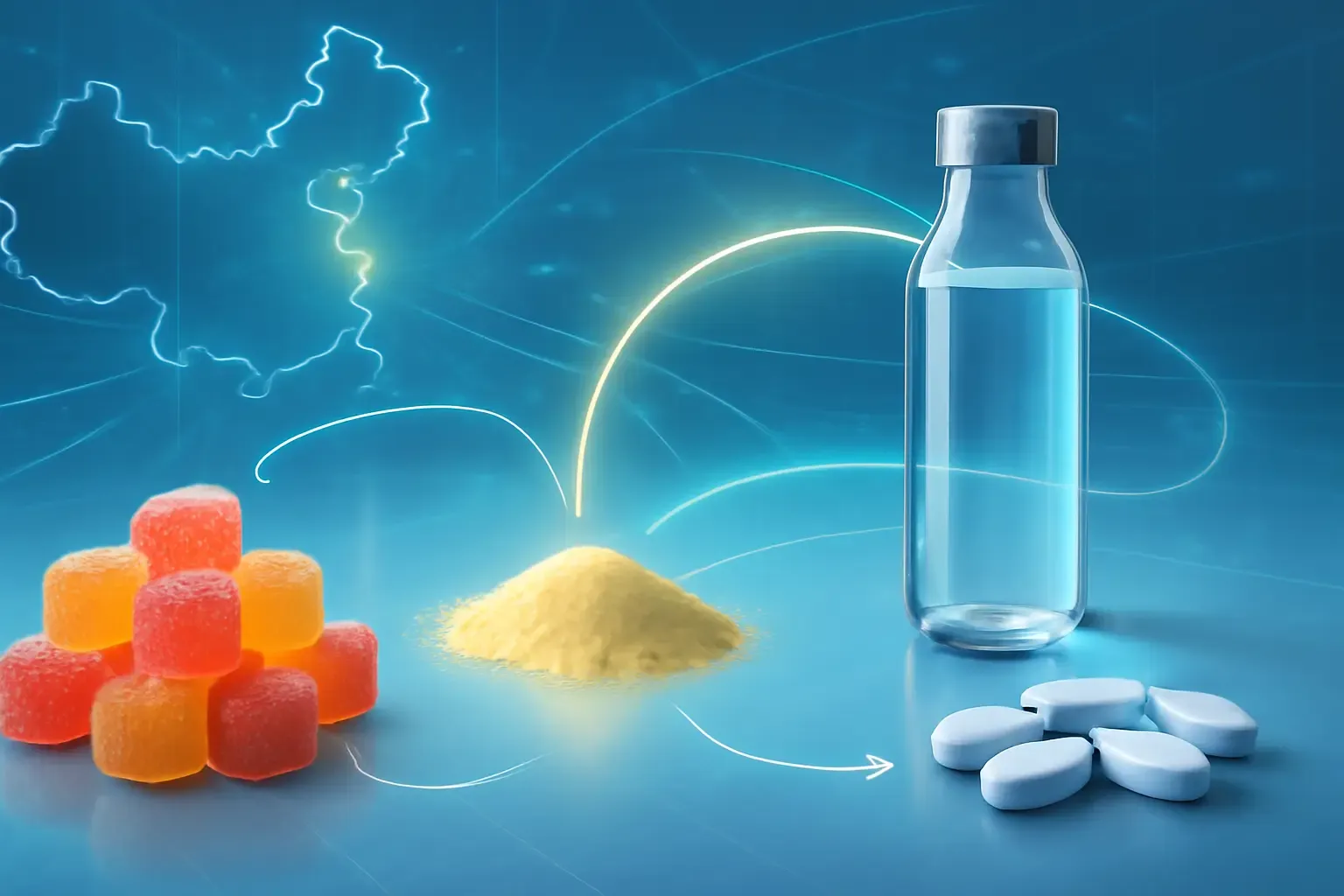
Sugar reduction and fiber enrichment have shifted from optional marketing claims to hard requirements in product briefs globally—especially for confectionery, ready-to-drink (RTD) beverages, and weight-management formats. This market shift is fundamentally changing how procurement teams evaluate wha
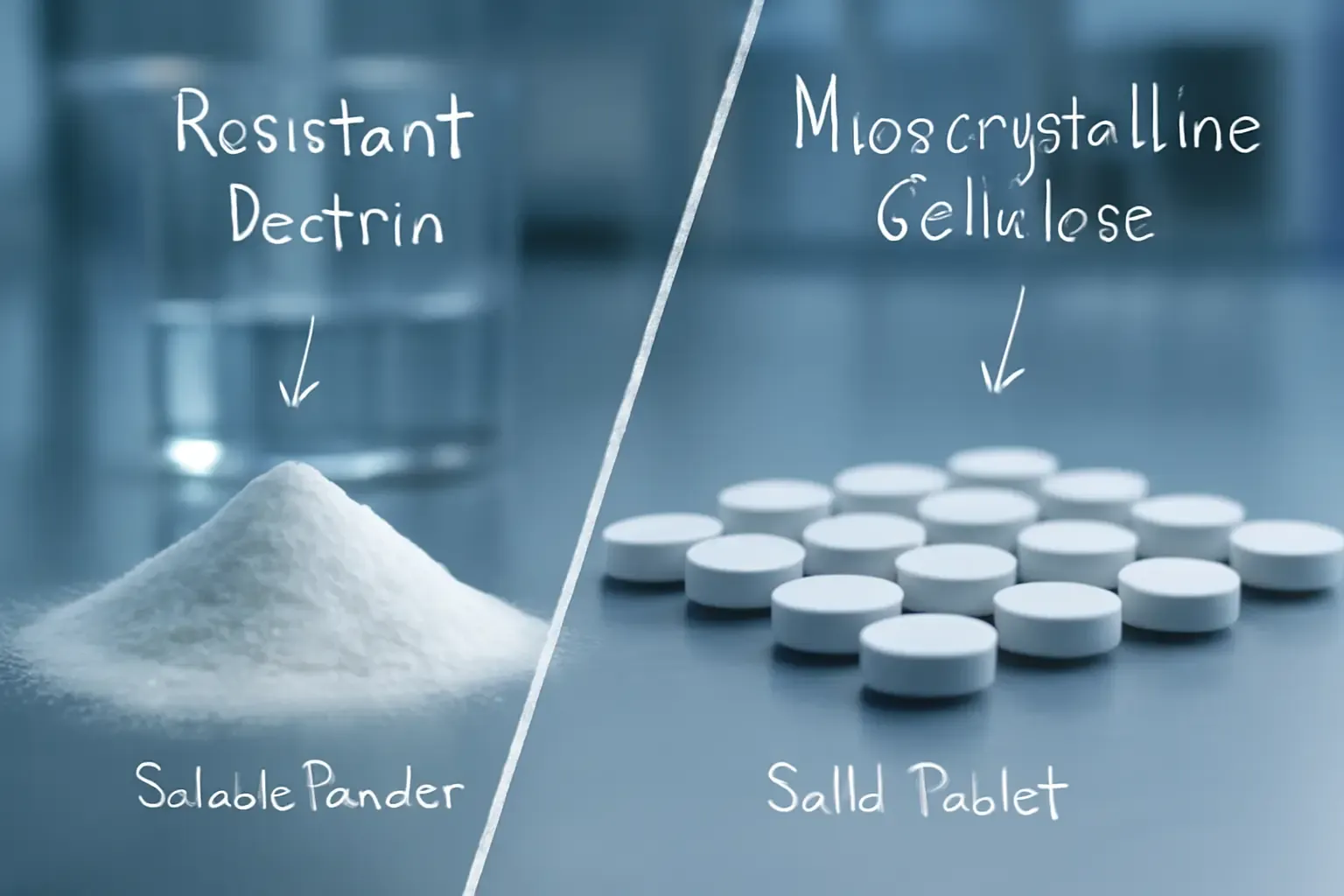
Procurement teams rarely source **resistant dextrin** and **microcrystalline cellulose (MCC)** for the same reason—but in real formulations, they often solve adjacent problems. Resistant dextrin helps brands hit **low-calorie, high-fiber** targets without compromising taste or process stability. MCC
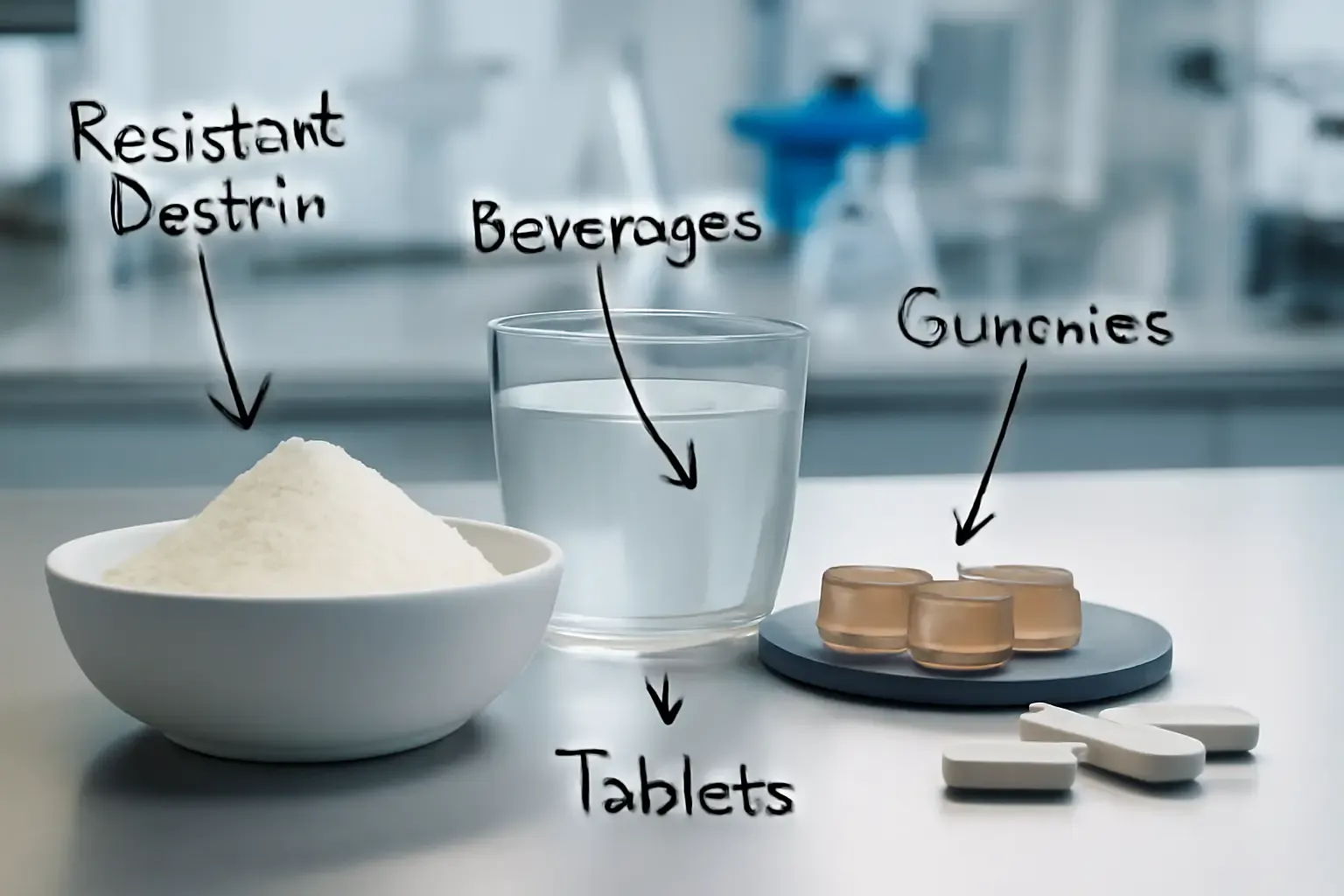
Fiber has shifted from a “nice to have” nutrient into a headline claim—especially among younger consumers who treat gut health like a daily performance metric. For procurement and product teams, the hard part isn’t spotting the trend; it’s converting that demand into export-ready SKUs that keep tast
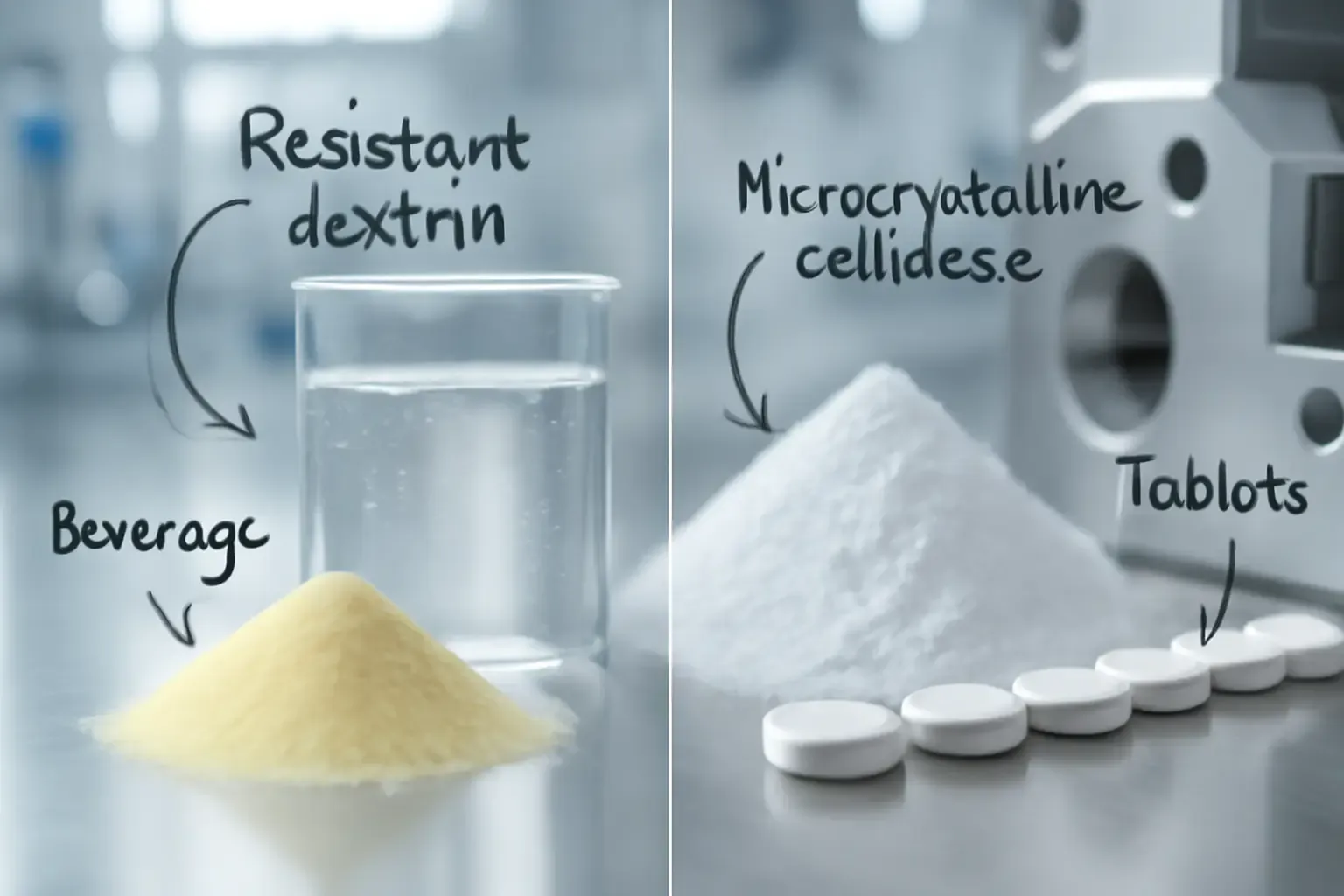
Prebiotic sodas and “fiber-forward” nutrition formats are turning ingredient selection into a functional engineering decision: the fiber must stay clear, taste neutral, and survive heat and acid, while tablet excipients must keep hardness and disintegration predictable at scale. For procurement team
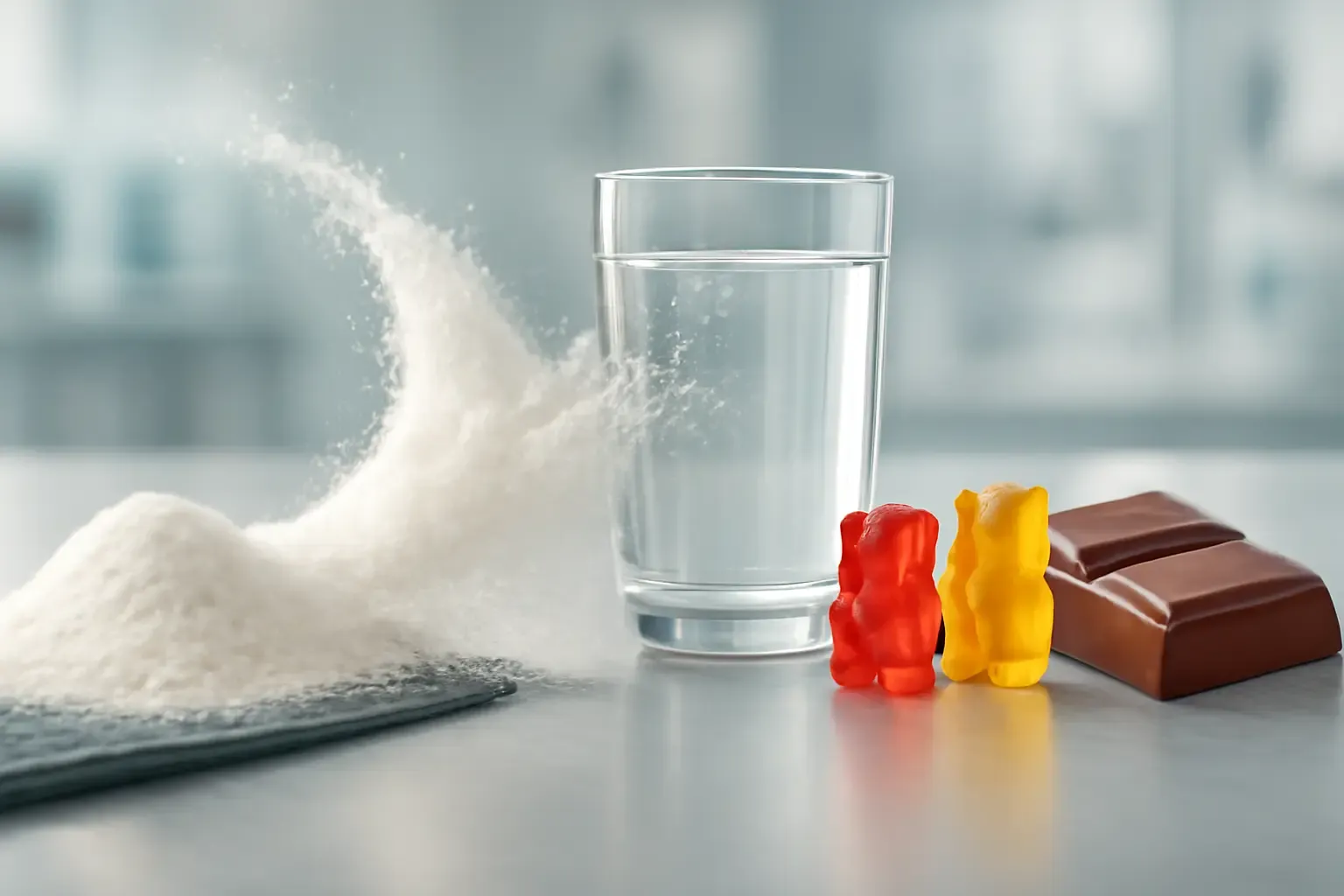
Soluble dietary fiber is no longer a “nice-to-have” add-on. Across beverages, confectionery, and supplement formats, brands are using resistant dextrin to hit fiber targets while keeping calories, glycemic response, and taste in check. For procurement teams, that shift changes the sourcing brief: th
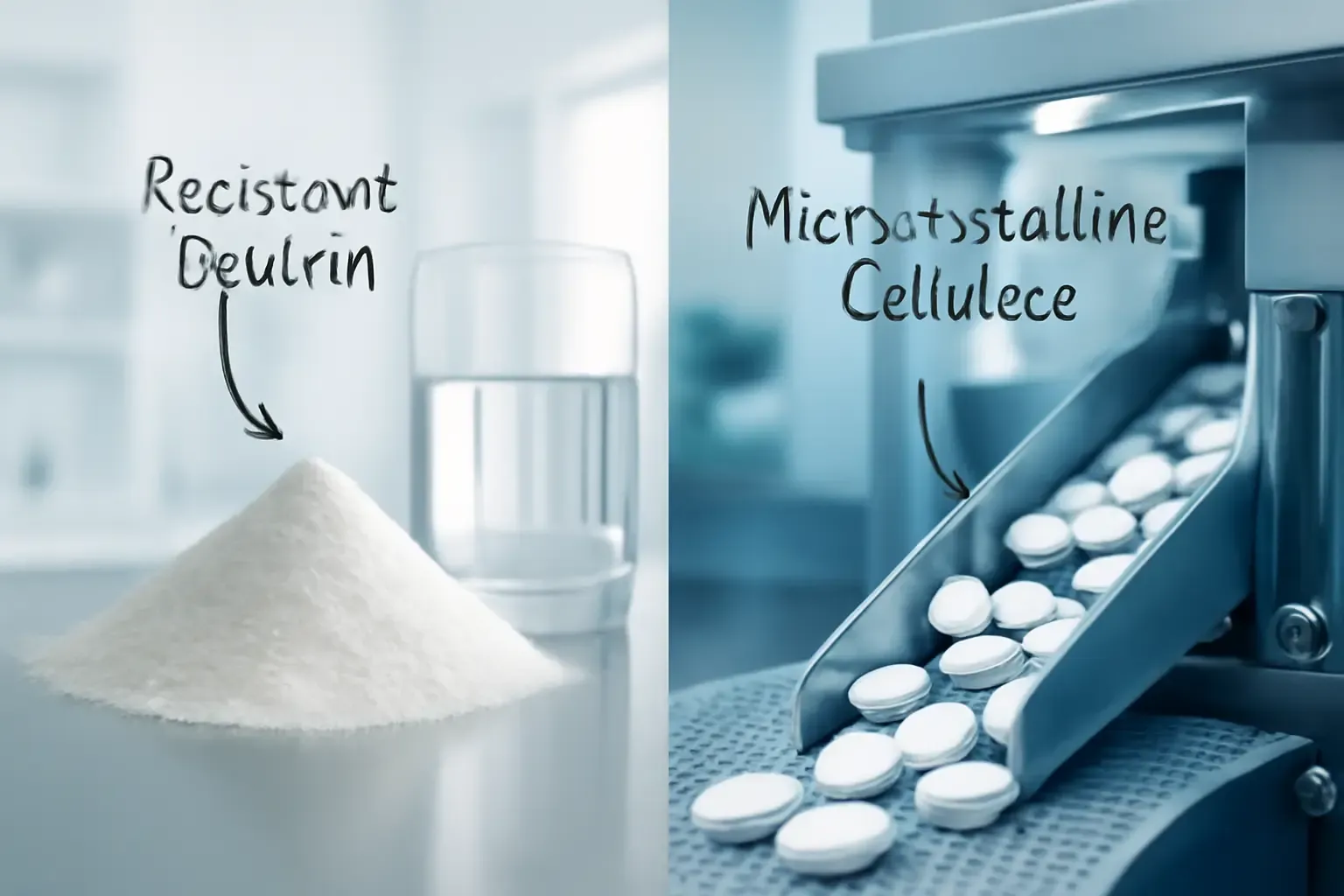
Procurement teams rarely buy ingredients in isolation. A fiber program that succeeds in beverages and confectionery often needs the same discipline as an oral solid dosage project: stable specs, predictable processing behavior, and a supplier that can keep batches consistent as volumes scale. That’s
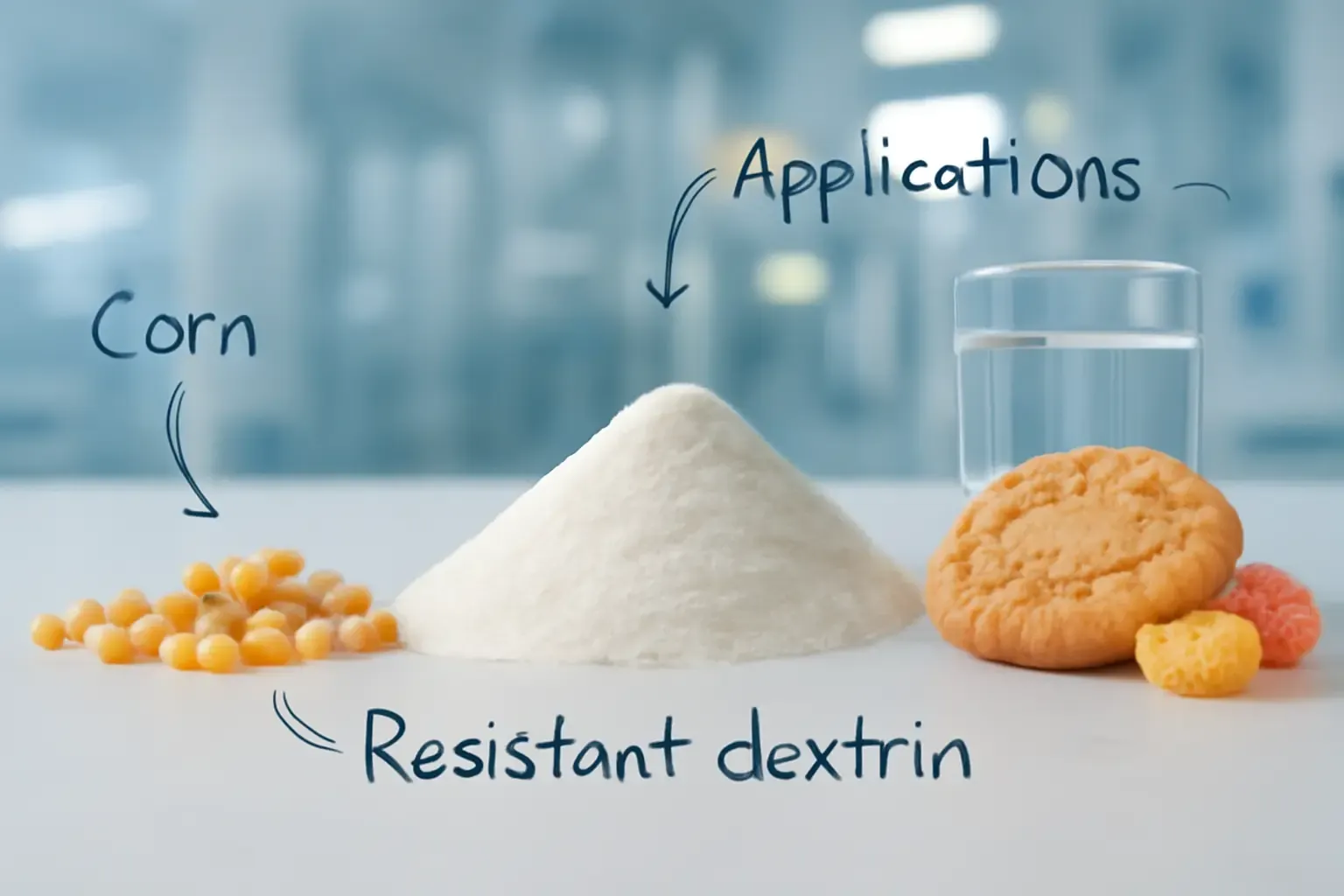
Accessible nutrition is no longer a premium niche—it has evolved into a baseline expectation for modern consumers. Recent industry reporting highlights that 50% of Gen Z and millennials actively seek products fortified with functional ingredients beyond protein, specifically prioritizing fiber for g
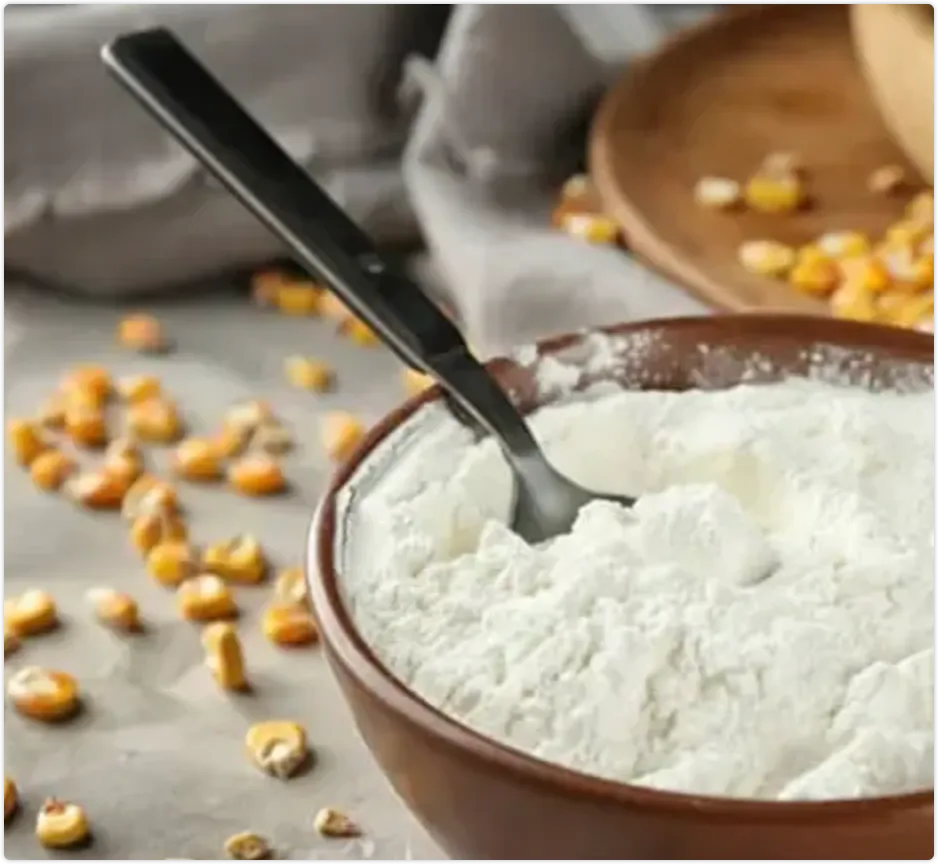
Fiber-forward, low sugar product development has moved from a marketing trend to a formulation requirement. Buyers now expect clean taste , reliable texture , and real nutrition —often in the same SKU. In that context, resistant dextrin has become a dependable workhorse: it supports sugar and calori
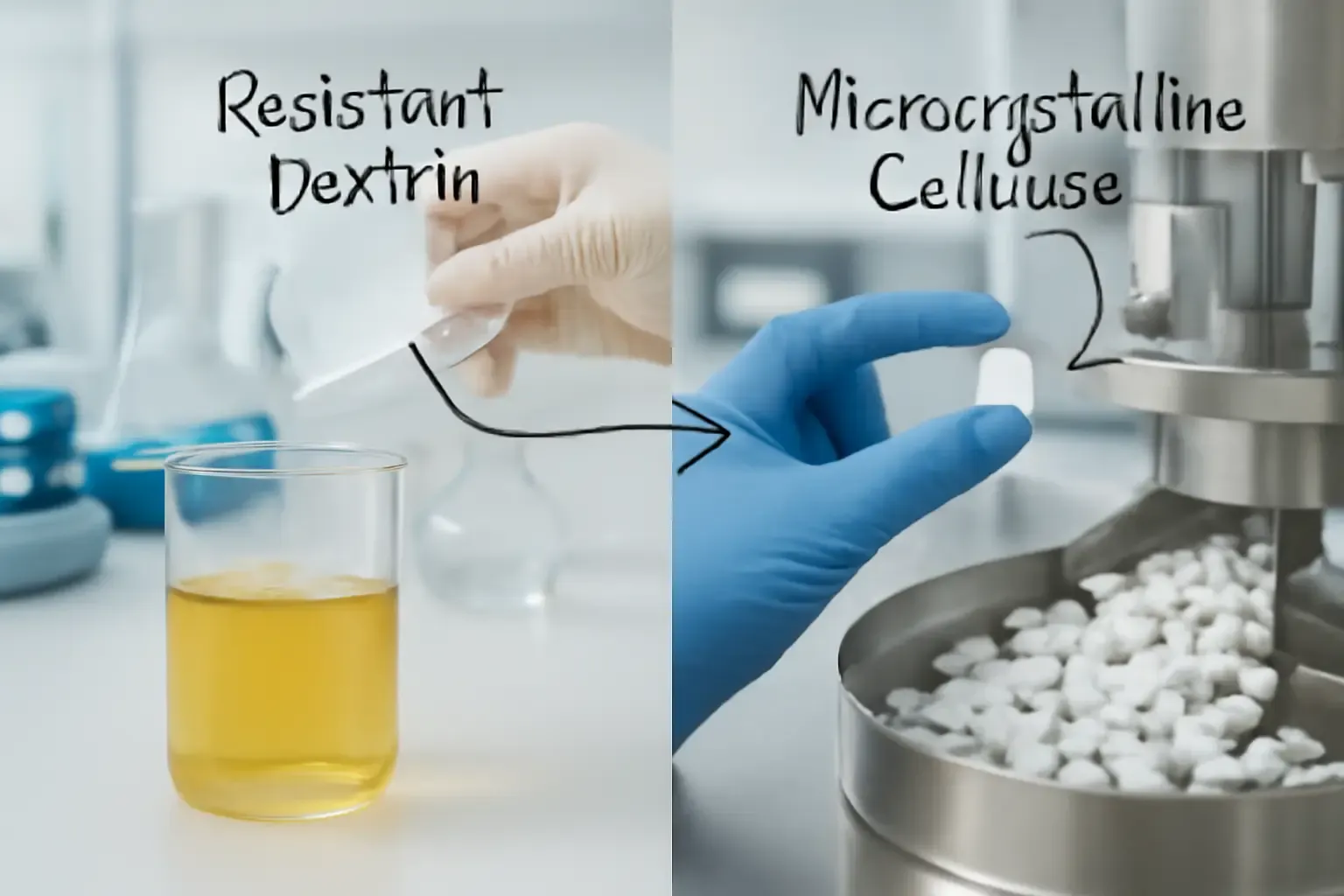
Global buyers looking for a Recommended Chinese Resistant Dextrin Manufacturer or a Recommended Chinese Microcrystalline Cellulose Supplier are increasingly making decisions the same way: not by price sheets alone, but by running small, repeatable trials that mirror real production. This guide break
Fiber enrichment is no longer a mere renovation for food and pharmaceutical brands—it is often the cleanest path to lower sugar, better texture, and more resilient product positioning. In practice, two ingredients show up repeatedly in modern procurement briefs: resistant dextrin (also marketed as s
The global shift towards gut-friendly, low-sugar formulations has placed unprecedented pressure on supply chains. Procurement officers are no longer just buying bulk ingredients; they are sourcing functional solutions that must perform flawlessly across diverse food matrices. Procurement teams are s
Fibremaxxing has transitioned from a social media buzzword to a rigorous formulation reality. For procurement teams, this shift carries a practical consequence: product launches increasingly succeed—or stall—based on whether the fiber system was sourced and qualified correctly, rather than just the
Sugar reduction and fiber enrichment have shifted from optional marketing claims to hard requirements in product briefs globally—especially for confectionery, ready-to-drink (RTD) beverages, and weight-management formats. This market shift is fundamentally changing how procurement teams evaluate wha
Procurement teams rarely source **resistant dextrin** and **microcrystalline cellulose (MCC)** for the same reason—but in real formulations, they often solve adjacent problems. Resistant dextrin helps brands hit **low-calorie, high-fiber** targets without compromising taste or process stability. MCC
Fiber has shifted from a “nice to have” nutrient into a headline claim—especially among younger consumers who treat gut health like a daily performance metric. For procurement and product teams, the hard part isn’t spotting the trend; it’s converting that demand into export-ready SKUs that keep tast
Prebiotic sodas and “fiber-forward” nutrition formats are turning ingredient selection into a functional engineering decision: the fiber must stay clear, taste neutral, and survive heat and acid, while tablet excipients must keep hardness and disintegration predictable at scale. For procurement team
Soluble dietary fiber is no longer a “nice-to-have” add-on. Across beverages, confectionery, and supplement formats, brands are using resistant dextrin to hit fiber targets while keeping calories, glycemic response, and taste in check. For procurement teams, that shift changes the sourcing brief: th
Procurement teams rarely buy ingredients in isolation. A fiber program that succeeds in beverages and confectionery often needs the same discipline as an oral solid dosage project: stable specs, predictable processing behavior, and a supplier that can keep batches consistent as volumes scale. That’s
Accessible nutrition is no longer a premium niche—it has evolved into a baseline expectation for modern consumers. Recent industry reporting highlights that 50% of Gen Z and millennials actively seek products fortified with functional ingredients beyond protein, specifically prioritizing fiber for g
Fiber-forward, low sugar product development has moved from a marketing trend to a formulation requirement. Buyers now expect clean taste , reliable texture , and real nutrition —often in the same SKU. In that context, resistant dextrin has become a dependable workhorse: it supports sugar and calori
Global buyers looking for a Recommended Chinese Resistant Dextrin Manufacturer or a Recommended Chinese Microcrystalline Cellulose Supplier are increasingly making decisions the same way: not by price sheets alone, but by running small, repeatable trials that mirror real production. This guide break