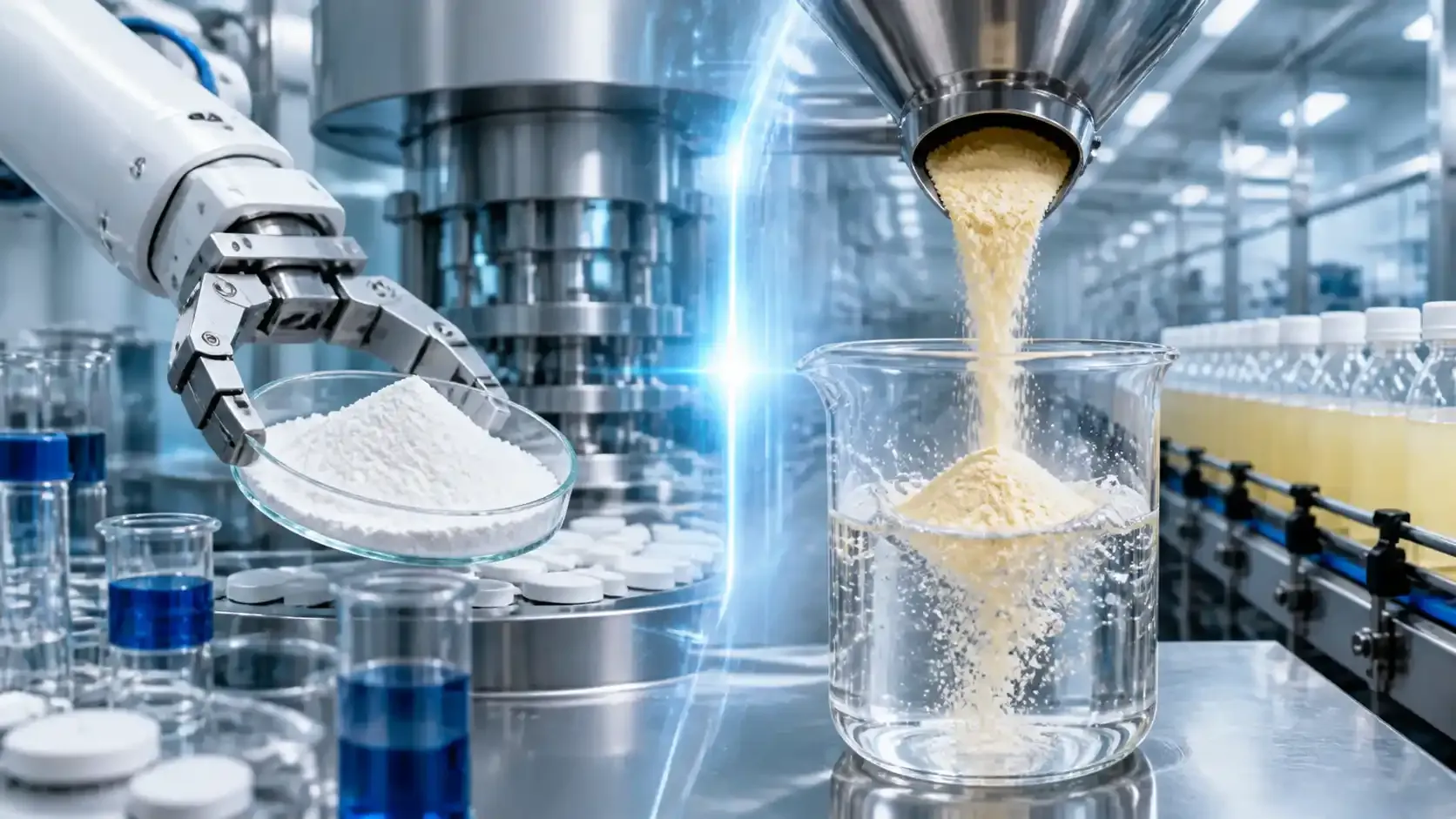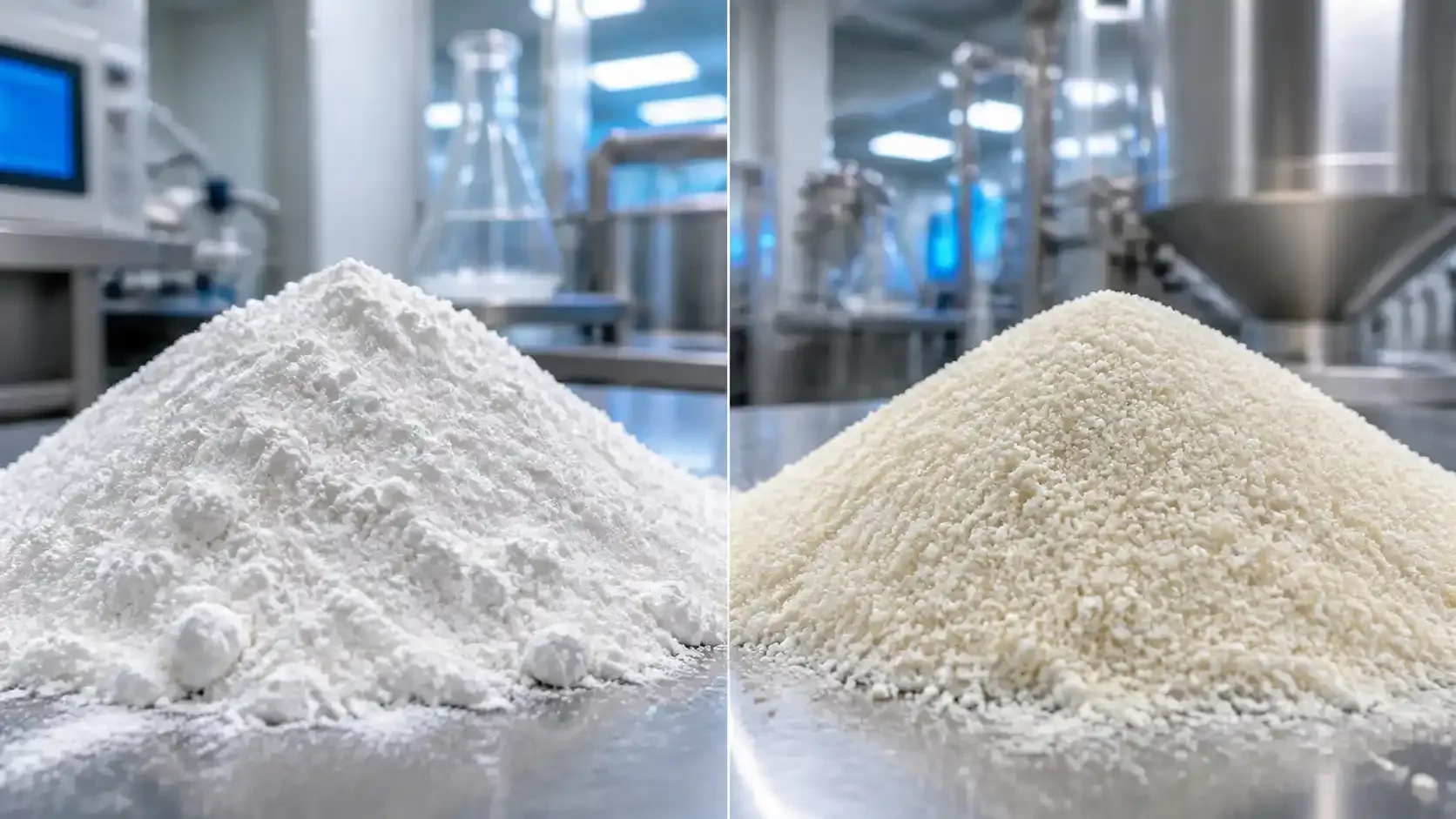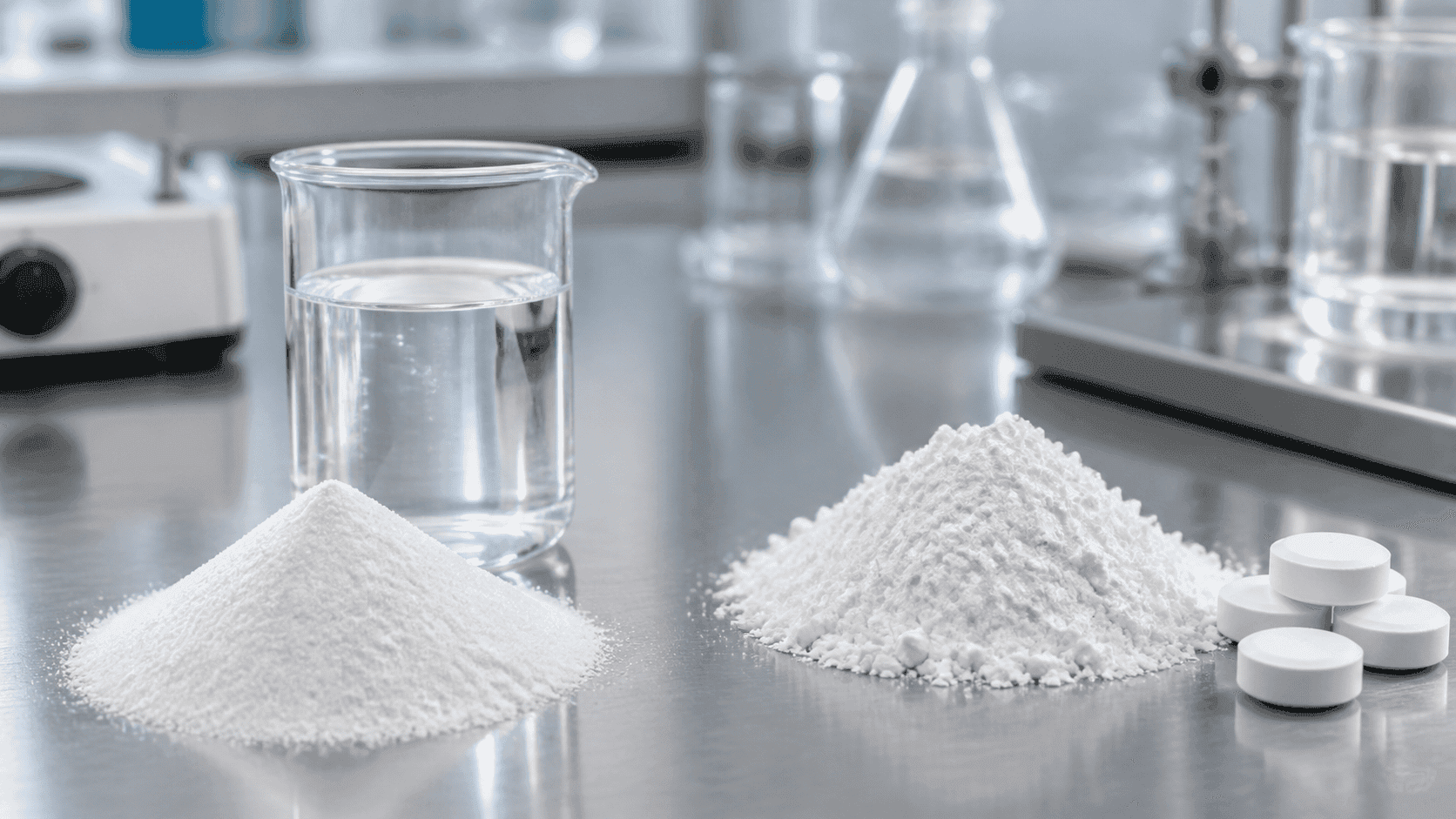
Product development teams often face a familiar challenge: a functional drink or nutritional powder looks fantastic during the initial R&D phase, but the first commercial run disappoints. It might turn out too sweet, hazy in solution, gritty on the tongue, or simply inconsistent when compressed into

Sugar reduction rarely fails because of sweeteners alone. It fails when the body, stability, and label story fall apart at the same time—especially in clear beverages, chewy bars, and high-dose supplement formats. That is why many procurement and R&D teams now evaluate resistant dextrin (also called
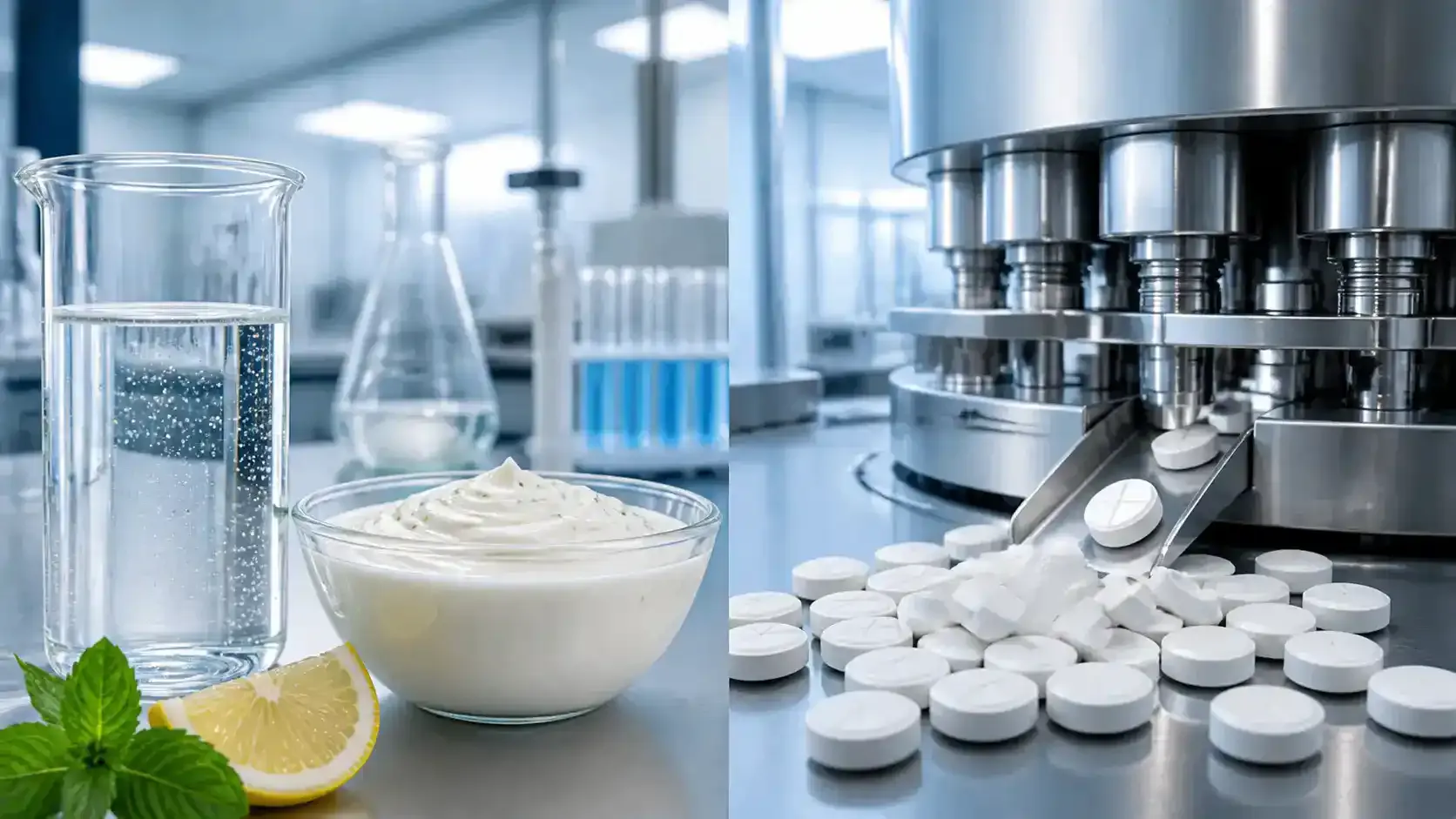
High-fiber, low-calorie reformulation is no longer limited to “better-for-you” niche brands. It has become a portfolio-level requirement—especially for manufacturers building both food and supplement lines under one nutrition story. In practice, that means procurement teams are increasingly asked to

In 2026, many product teams are trying to do two things at once: increase fiber to support gut-health positioning, and keep everyday formats (RTD drinks, powders, tablets, gummies) pleasant enough for repeat purchase. The challenge is that the “easy” solutions are no longer easy—especially when your
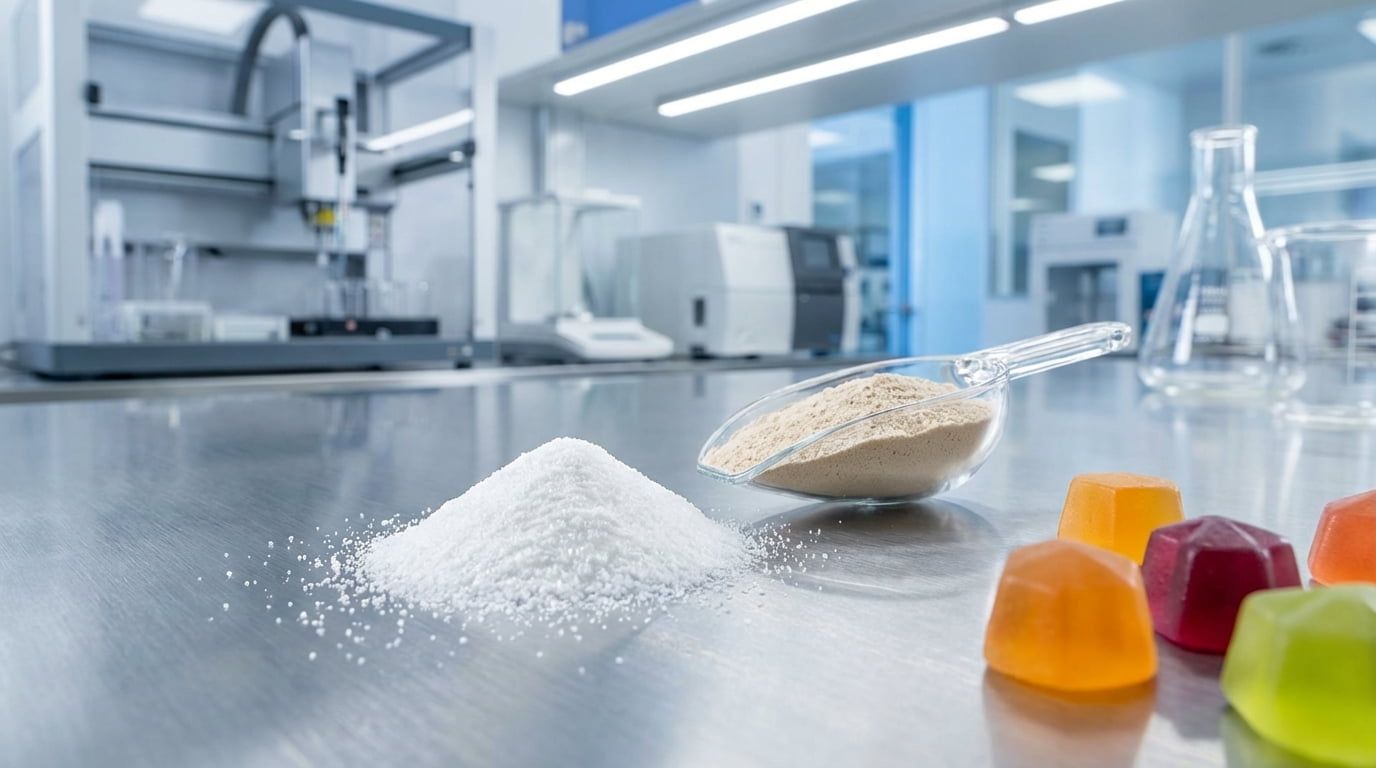
A buyer-focused 2026 guide to using resistant dextrin in diet powders and gummies—specs, sensory trade-offs, and sourcing checkpoints in China. Fiber’s 2026 turning point: why specs matter more than slogans Market coverage going into 2026 consistently highlights fiber and gut health as a top consume
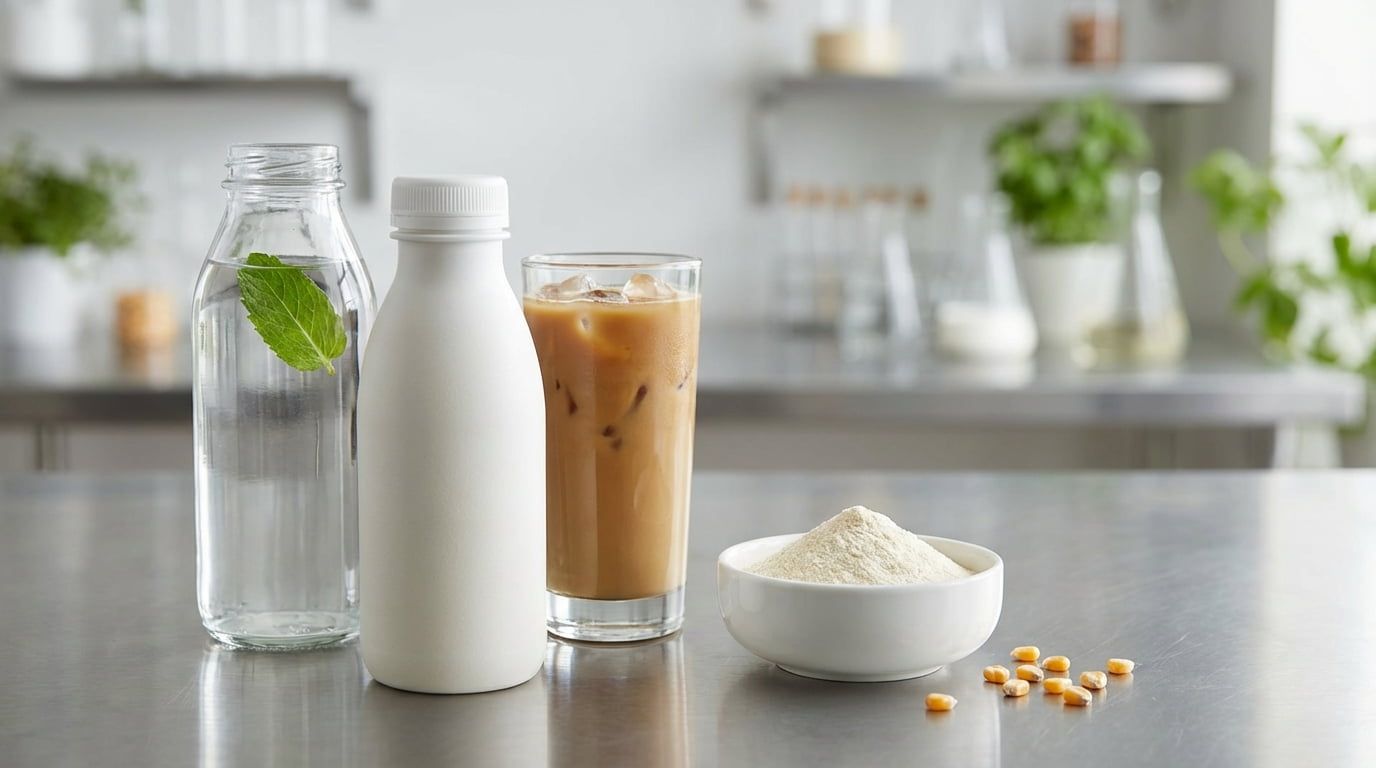
Across RTD beverage portfolios—waters, coffees, and protein shakes—fiber is moving from a “nice-to-have” into a repeatable platform feature . The challenge is that ready-to-drink (RTD) beverages are unforgiving: they need clarity (or controlled opacity), stable flavor, consistent mouthfeel, and shel
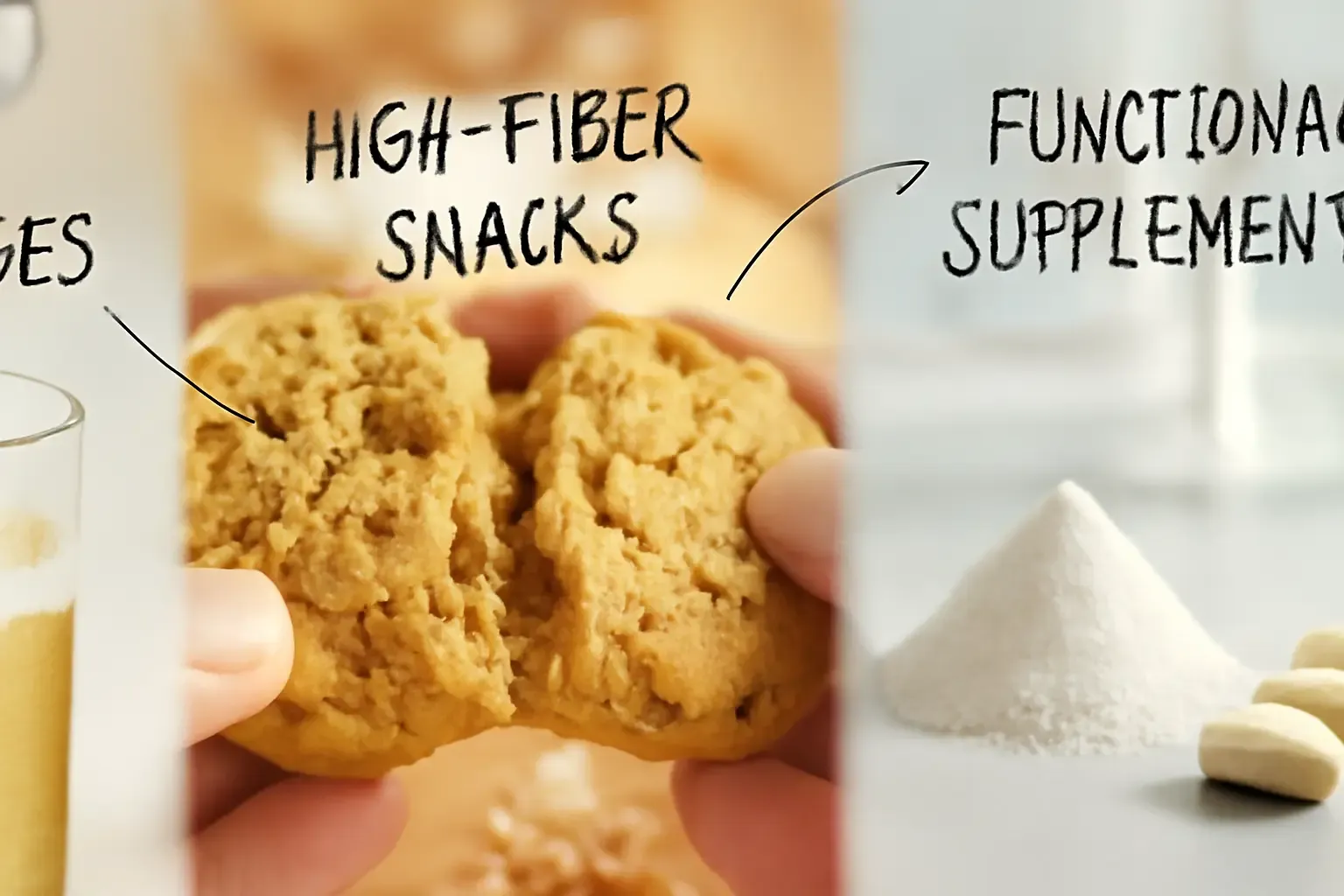
Fiber is no longer a “nice-to-have” add-on. For many food, beverage, and supplement brands heading into 2026, fiber has become a front-of-pack decision that influences sweetness strategy, texture targets, and even the dosage format. In that shift, resistant dextrin (often labeled as resistant maltod
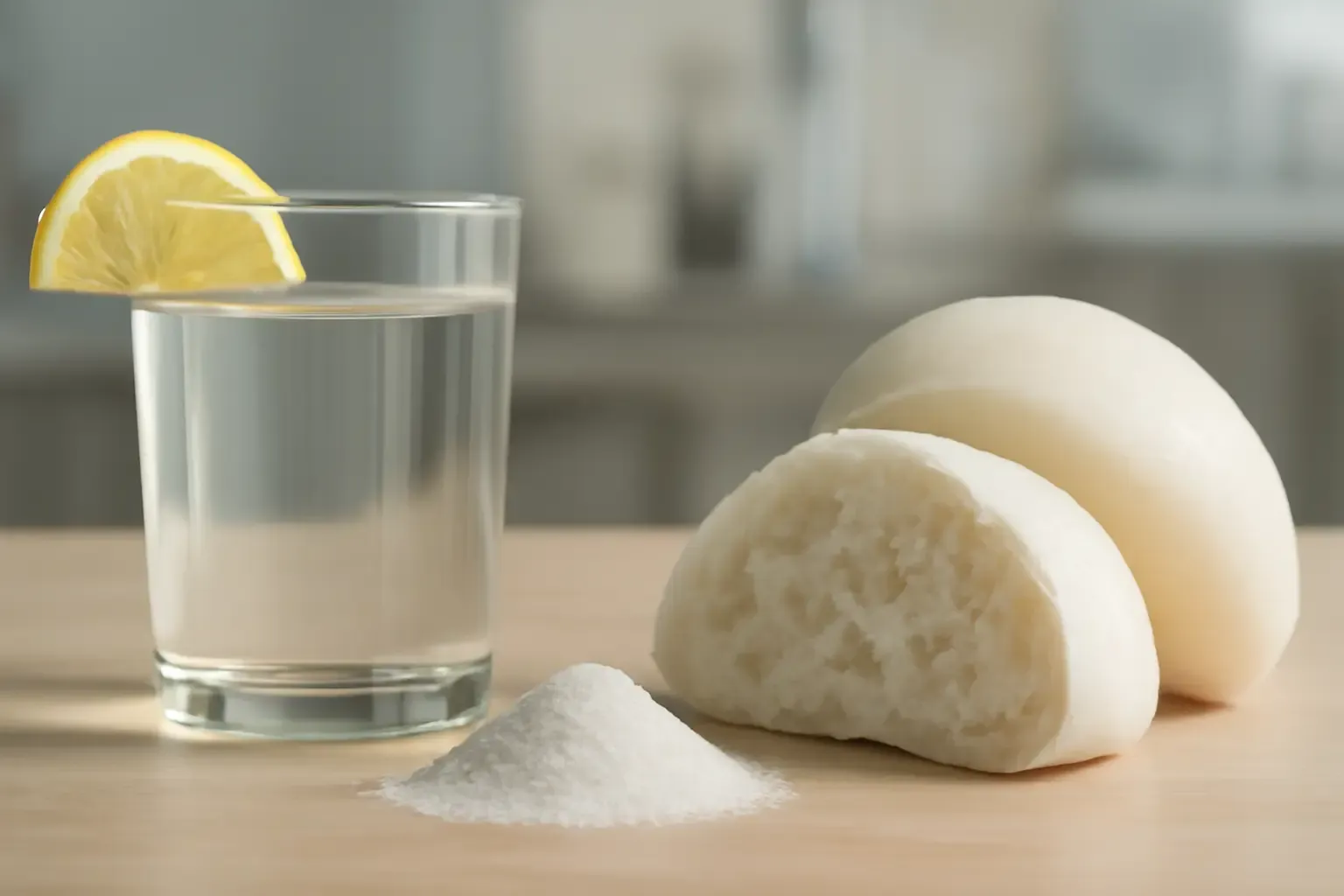
Fiber-forward positioning is moving from an optional claim to a core product strategy, especially as brands face ongoing pressure to reduce sugar without sacrificing taste or texture. In that push, resistant dextrin has emerged as a highly dependable tool. It introduces soluble dietary fiber into fo
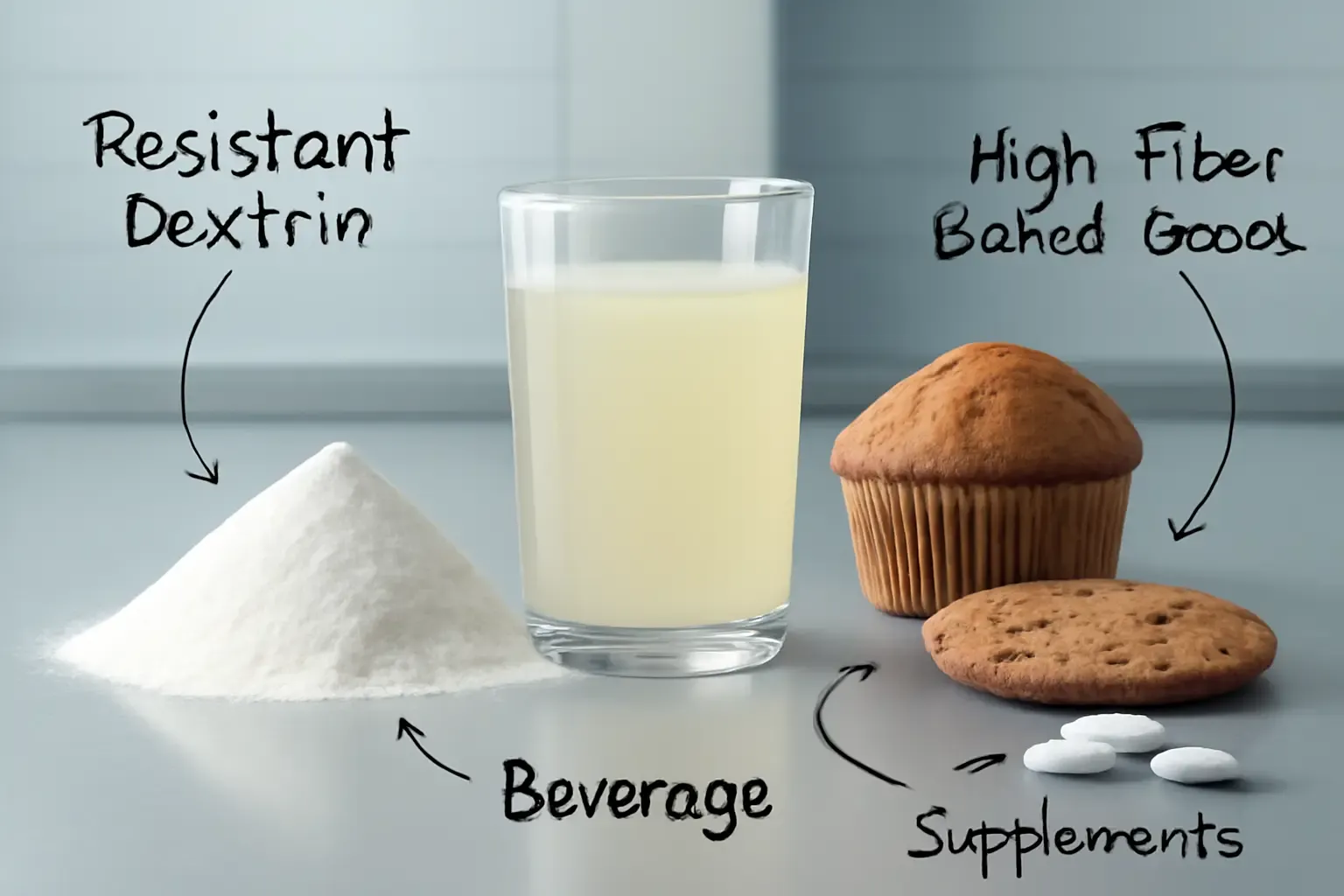
By 2026, "fiber-forward" is no longer a niche positioning—it is a mainstream product brief. Retail and brand teams increasingly expect measurable fiber, lower sugar, and clean sensory performance in beverages, bakery, dairy, and dietary supplements. For procurement teams, this shift creates a practi
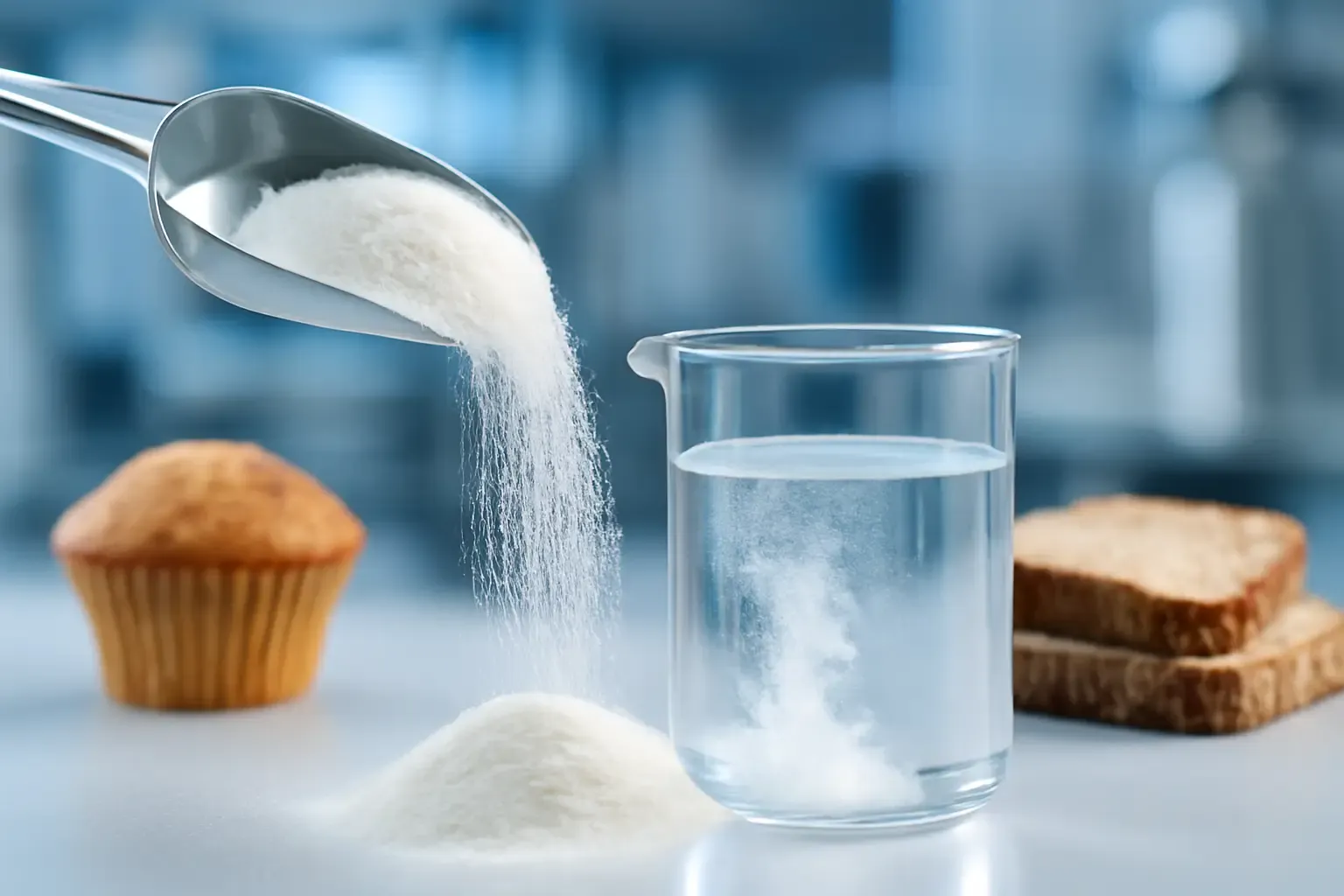
The fastest-growing "better-for-you" launches share the same tension: buyers want lower sugar and higher fiber without sacrificing taste, process stability, or throughput. Consequently, resistant dextrin has quietly become a core tool for R&D teams—especially when they need a soluble fiber that can
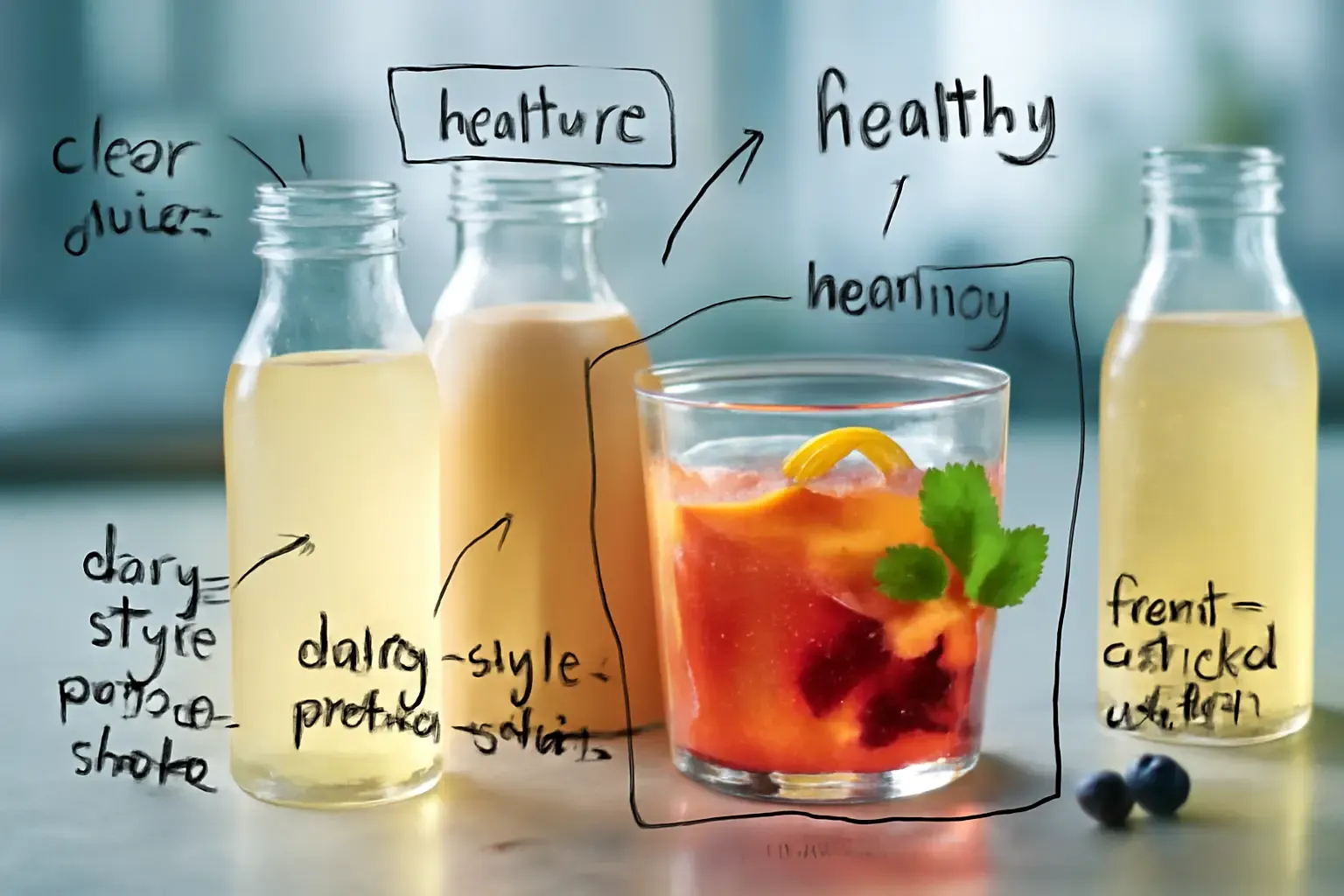
Low sugar beverages have matured past simply removing sugar and hoping for the best. The brands that secure repeat purchases usually solve three problems simultaneously: calorie reduction , drinkable texture , and a credible fiber story that avoids processing headaches. This explains why resistant d
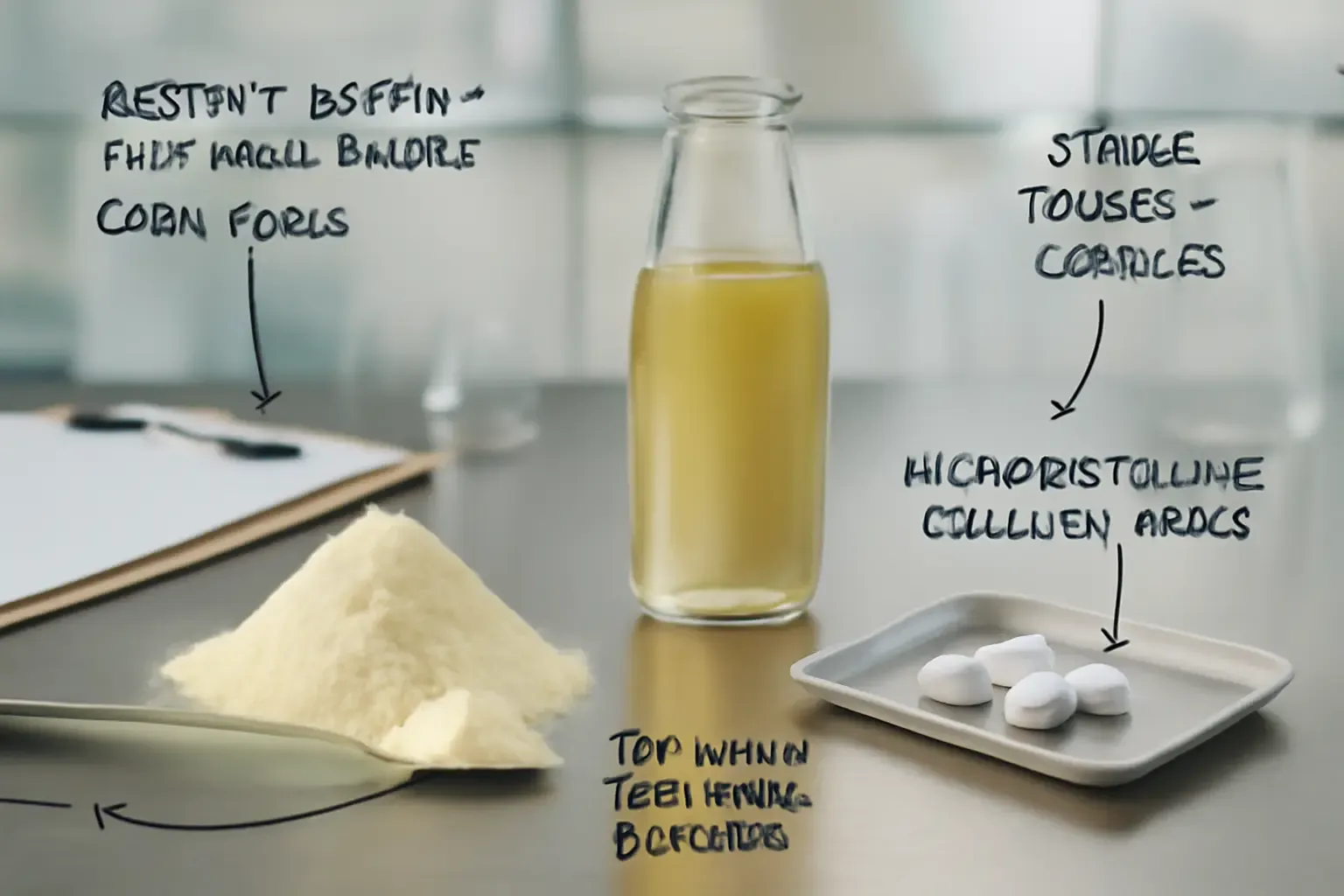
Demand for low-sugar, high-fiber formats continues to rise globally, yet most product development teams prefer to avoid a full reformulation cycle just to achieve a new nutrition panel or a "fiber-added" line extension. In practice, modern procurement briefs frequently pair resistant dextrin , Non-G
Product development teams often face a familiar challenge: a functional drink or nutritional powder looks fantastic during the initial R&D phase, but the first commercial run disappoints. It might turn out too sweet, hazy in solution, gritty on the tongue, or simply inconsistent when compressed into
Sugar reduction rarely fails because of sweeteners alone. It fails when the body, stability, and label story fall apart at the same time—especially in clear beverages, chewy bars, and high-dose supplement formats. That is why many procurement and R&D teams now evaluate resistant dextrin (also called
High-fiber, low-calorie reformulation is no longer limited to “better-for-you” niche brands. It has become a portfolio-level requirement—especially for manufacturers building both food and supplement lines under one nutrition story. In practice, that means procurement teams are increasingly asked to
In 2026, many product teams are trying to do two things at once: increase fiber to support gut-health positioning, and keep everyday formats (RTD drinks, powders, tablets, gummies) pleasant enough for repeat purchase. The challenge is that the “easy” solutions are no longer easy—especially when your
A buyer-focused 2026 guide to using resistant dextrin in diet powders and gummies—specs, sensory trade-offs, and sourcing checkpoints in China. Fiber’s 2026 turning point: why specs matter more than slogans Market coverage going into 2026 consistently highlights fiber and gut health as a top consume
Across RTD beverage portfolios—waters, coffees, and protein shakes—fiber is moving from a “nice-to-have” into a repeatable platform feature . The challenge is that ready-to-drink (RTD) beverages are unforgiving: they need clarity (or controlled opacity), stable flavor, consistent mouthfeel, and shel
Fiber is no longer a “nice-to-have” add-on. For many food, beverage, and supplement brands heading into 2026, fiber has become a front-of-pack decision that influences sweetness strategy, texture targets, and even the dosage format. In that shift, resistant dextrin (often labeled as resistant maltod
Fiber-forward positioning is moving from an optional claim to a core product strategy, especially as brands face ongoing pressure to reduce sugar without sacrificing taste or texture. In that push, resistant dextrin has emerged as a highly dependable tool. It introduces soluble dietary fiber into fo
By 2026, "fiber-forward" is no longer a niche positioning—it is a mainstream product brief. Retail and brand teams increasingly expect measurable fiber, lower sugar, and clean sensory performance in beverages, bakery, dairy, and dietary supplements. For procurement teams, this shift creates a practi
The fastest-growing "better-for-you" launches share the same tension: buyers want lower sugar and higher fiber without sacrificing taste, process stability, or throughput. Consequently, resistant dextrin has quietly become a core tool for R&D teams—especially when they need a soluble fiber that can
Low sugar beverages have matured past simply removing sugar and hoping for the best. The brands that secure repeat purchases usually solve three problems simultaneously: calorie reduction , drinkable texture , and a credible fiber story that avoids processing headaches. This explains why resistant d
Demand for low-sugar, high-fiber formats continues to rise globally, yet most product development teams prefer to avoid a full reformulation cycle just to achieve a new nutrition panel or a "fiber-added" line extension. In practice, modern procurement briefs frequently pair resistant dextrin , Non-G