Dietary fiber has transitioned from a quiet nutrition panel metric to a primary product driver, especially as brands rapidly launch gut-health and lower-sugar products. This shift fundamentally changes procurement behavior: formulators need fibers that behave predictably during real-world processing
Low-sugar product design has moved beyond merely reducing sweetness into a much tougher challenge: replacing missing solids, keeping texture clean, and still hitting fiber claims in beverages, powders, and tablets. This explains why resistant dextrin (often marketed as soluble corn fiber or resistan
Fiber is no longer a mere add-on; procurement teams increasingly treat it as a core driver of product positioning, especially in beverages, bakery, and everyday nutrition formats. Concurrently, dosage-form innovation keeps tablet and capsule performance under strict scrutiny. This explains why resis
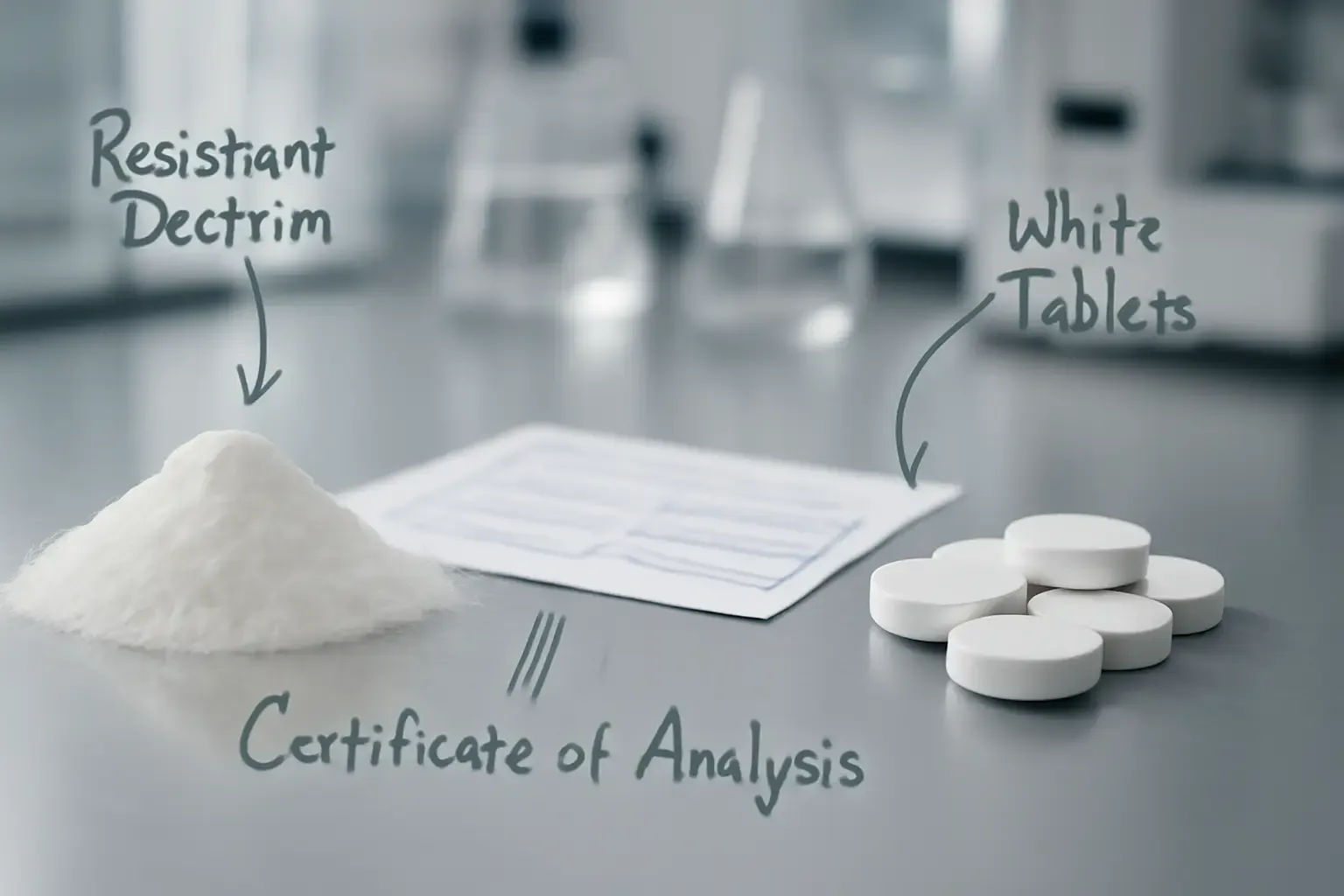
Resistant dextrin and microcrystalline cellulose (MCC) are often purchased for very different reasons—one for fiber enrichment and prebiotic positioning , the other for tableting performance and excipient reliability . Yet procurement teams regularly evaluate them through the same lens: “Is the spec
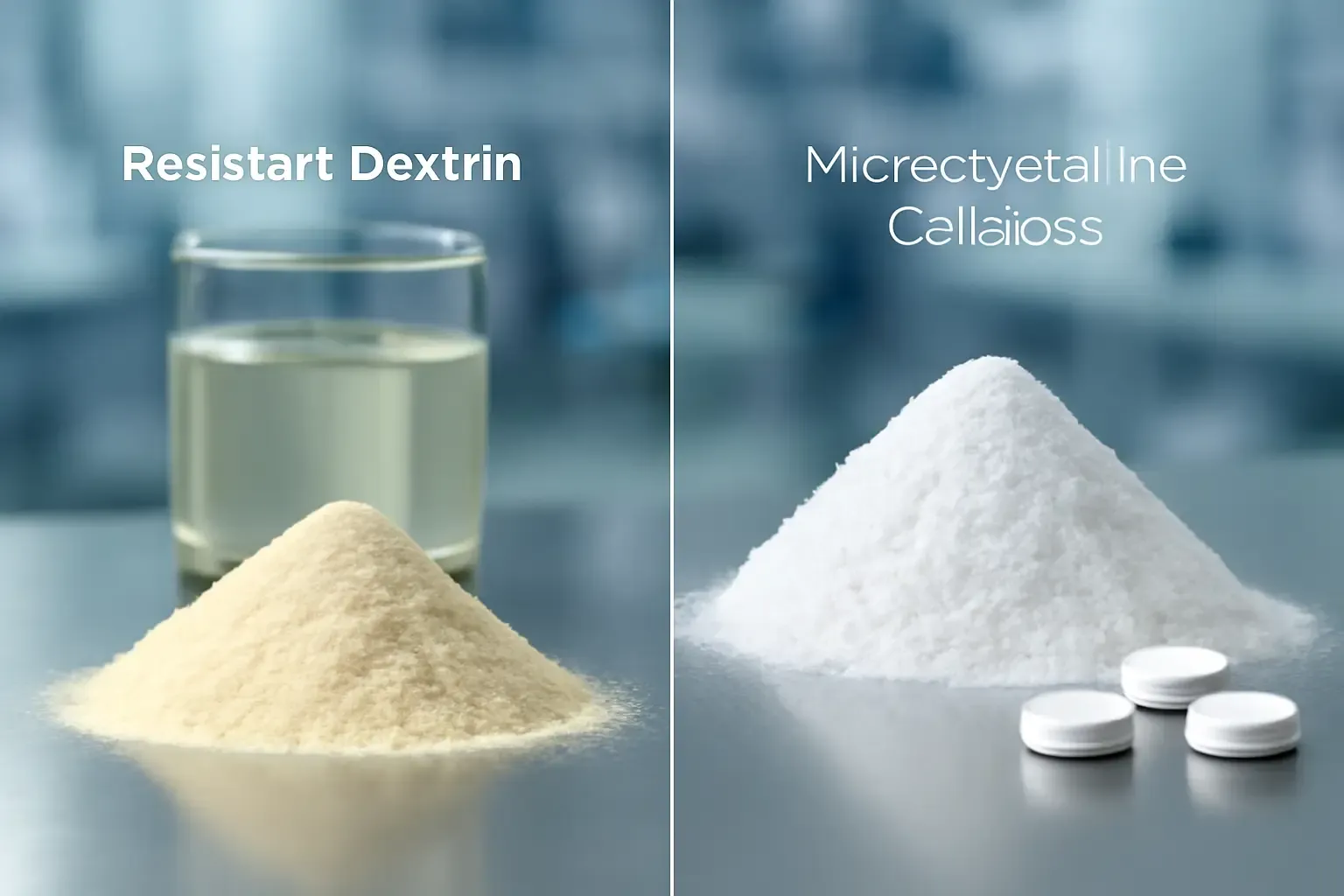
Fiber fortification and tablet manufacturing have quietly established two structural ingredients across multiple production pipelines: resistant dextrin powder (frequently marketed as soluble corn fiber or resistant maltodextrin fiber ) and microcrystalline cellulose (MCC) . From a procurement stand
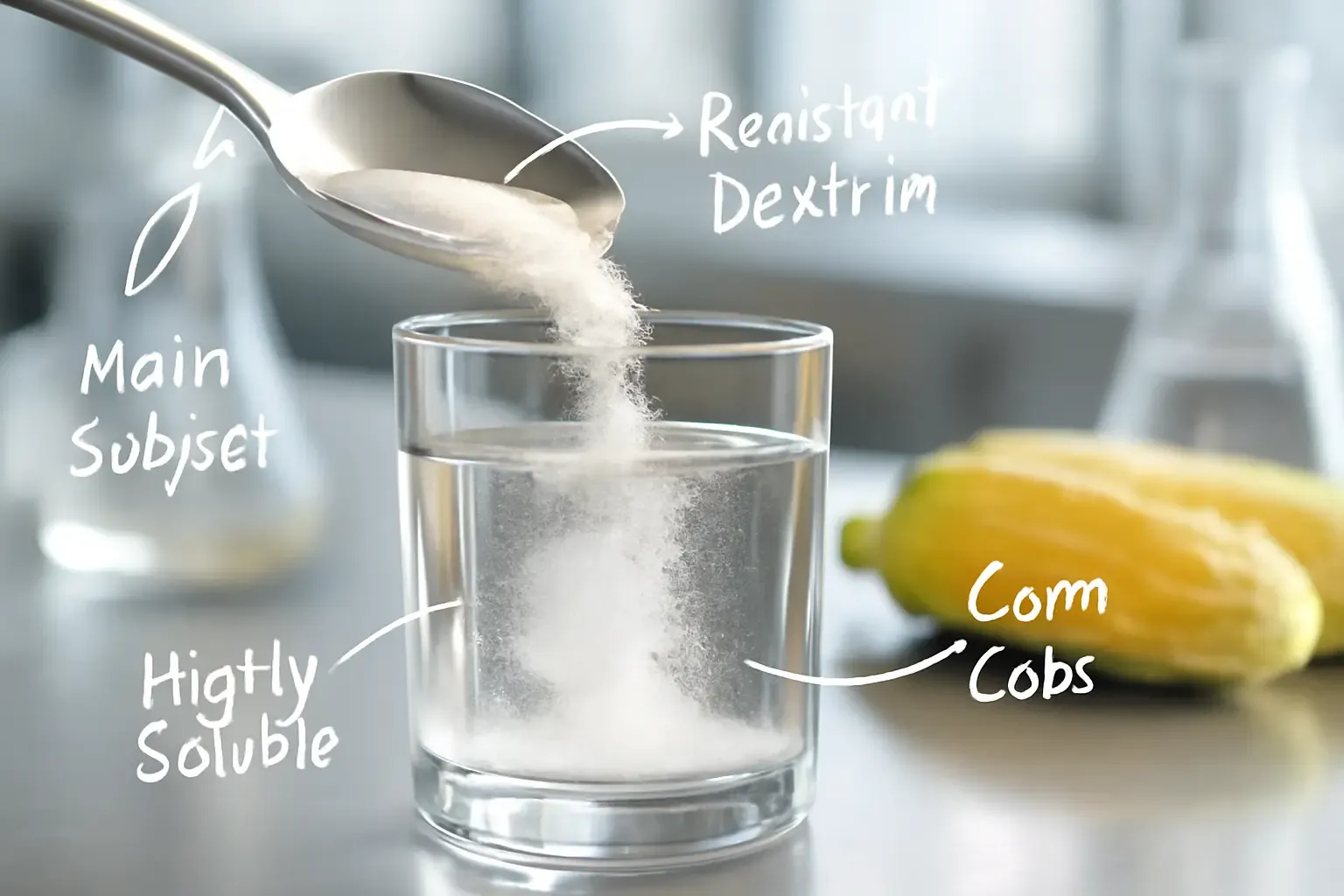
Fiber fortification has moved from a simple "nice-to-have" to a core requirement in beverages, snacks, and nutrition powders—especially as brands push for low sugar positioning without sacrificing mouthfeel. In that shift, resistant dextrin (also known as digestion-resistant dextrin or resistant mal
Fiber is increasingly treated like a primary macronutrient rather than a minor label addition. For procurement teams, this shift transforms the sourcing conversation: the main challenge is no longer deciding whether to add fiber, but identifying which soluble fiber delivers a clean taste, stable pro
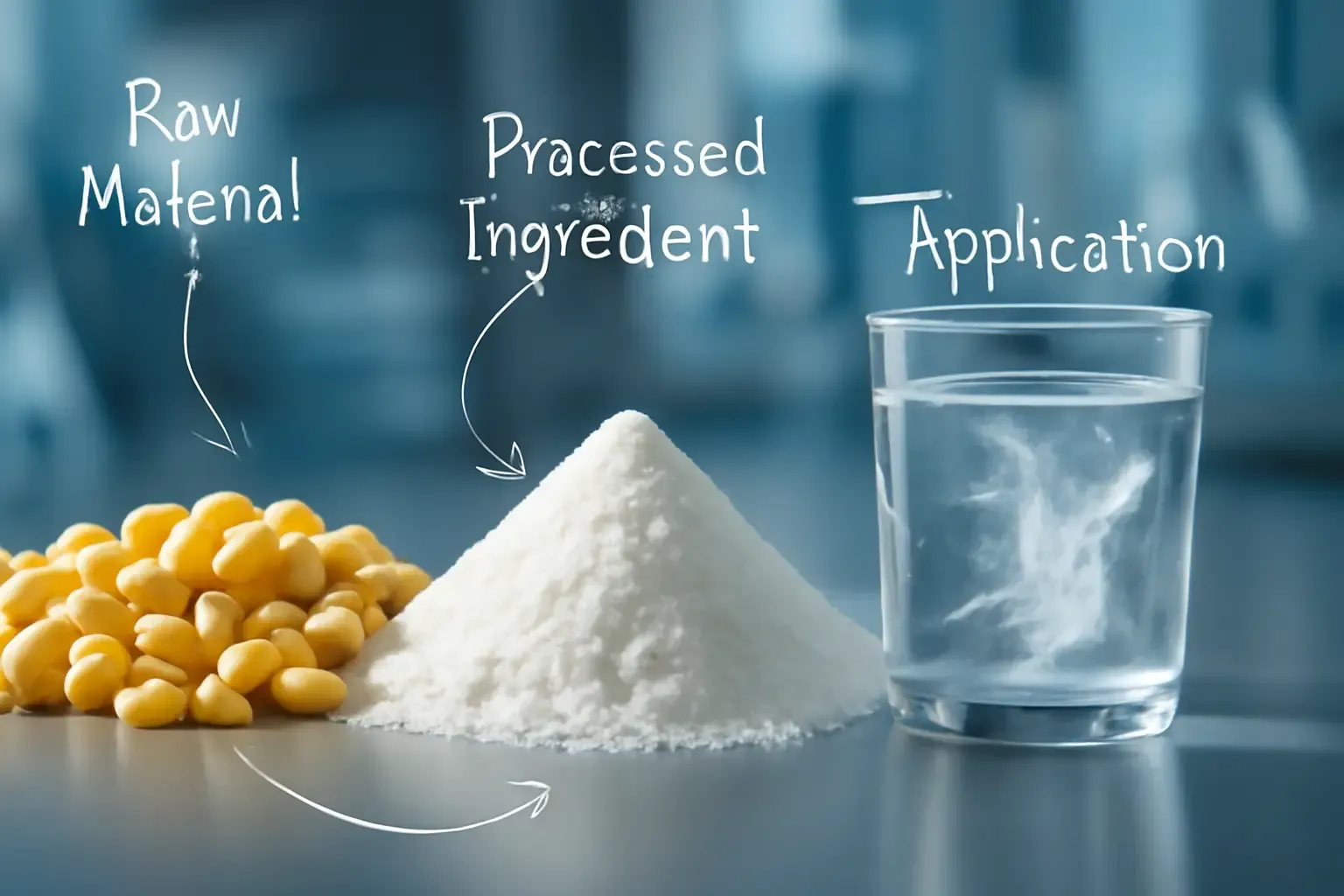
Modern food and supplement brands face the ongoing challenge of delivering more fiber with fewer trade-offs—such as reduced sugar, cleaner taste, stable processing, and reliable labeling. Consequently, soluble fibers like resistant dextrin (often discussed alongside resistant maltodextrin) and relat
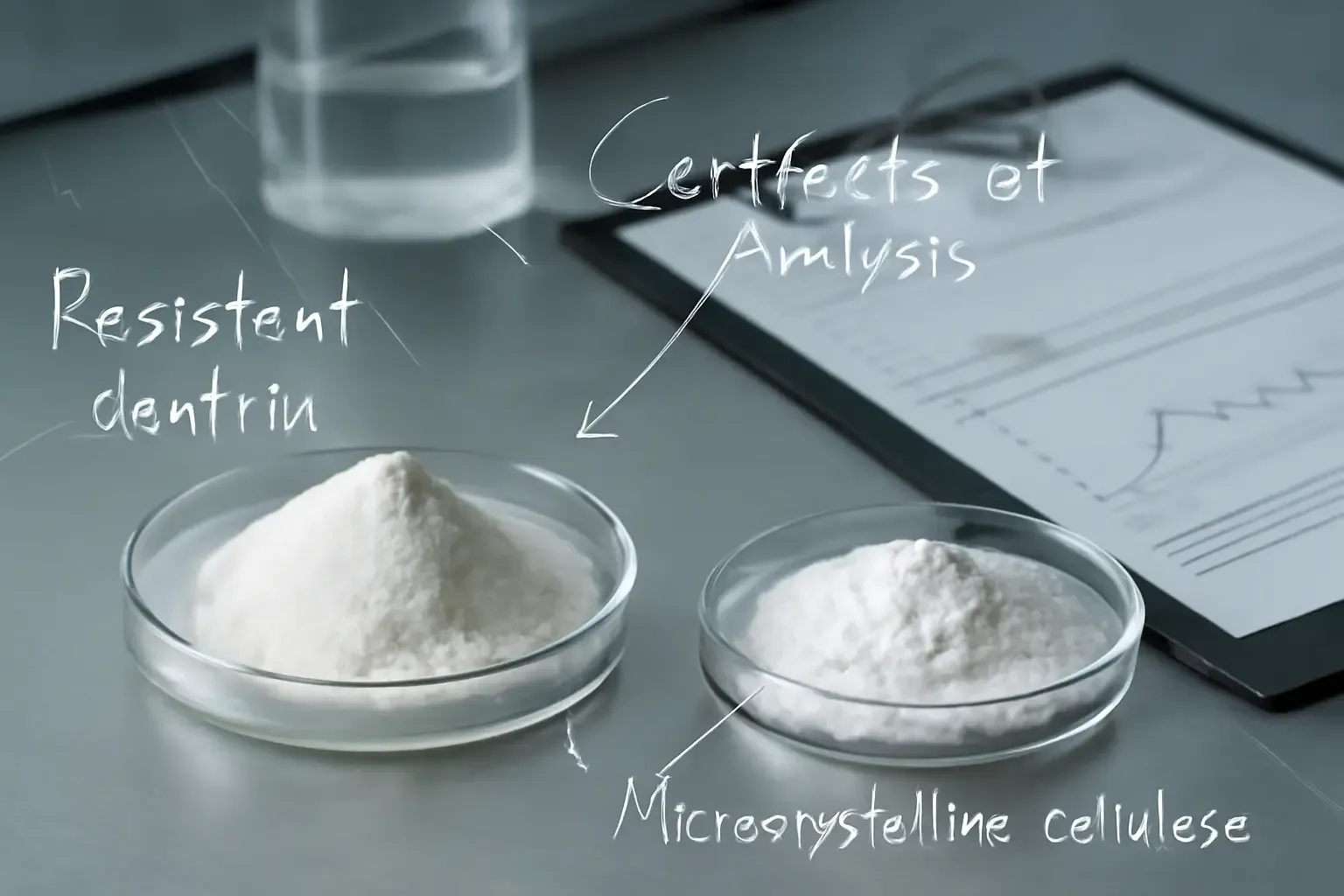
When formulating high-fiber, low-sugar foods and supplements, brands are increasingly turning to resistant dextrin (often listed as soluble corn fiber or resistant maltodextrin). It fortifies fiber content without pushing sweetness, viscosity, or off-notes. Concurrently, procurement teams are tighte

Resistant dextrin, soluble corn fiber, and microcrystalline cellulose (MCC) have emerged as core components in modern formulation work—especially for pipelines built around lower sugar, higher fiber, and consistent processing performance . Buyers are increasingly sourcing these ingredients from Chin
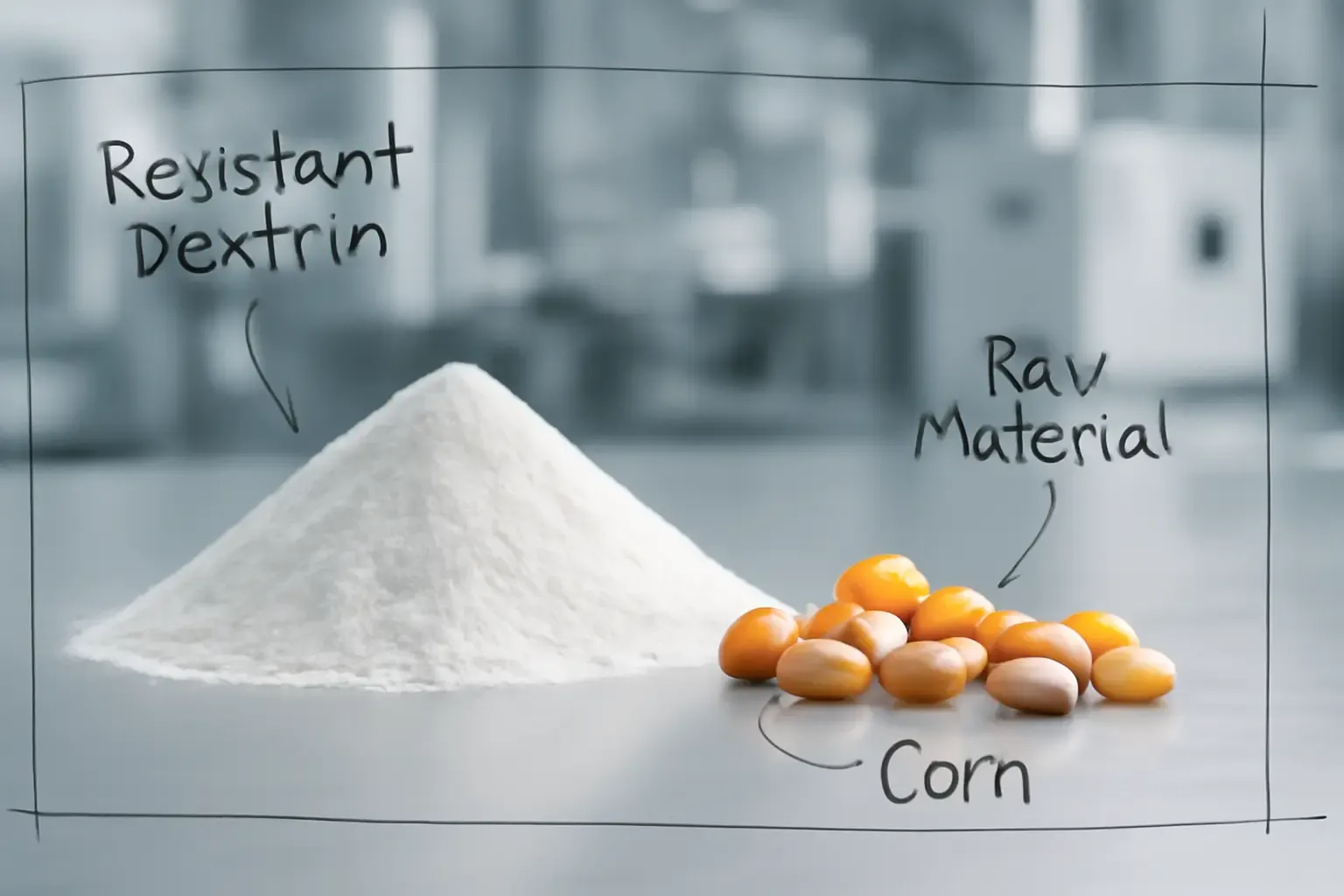
Resistant dextrin—often marketed as resistant maltodextrin powder or soluble corn fiber —has become an essential ingredient for formulators needing high fiber with low calories , without compromising taste or viscosity. For procurement teams, the appeal is quite straightforward. Modern grades typica
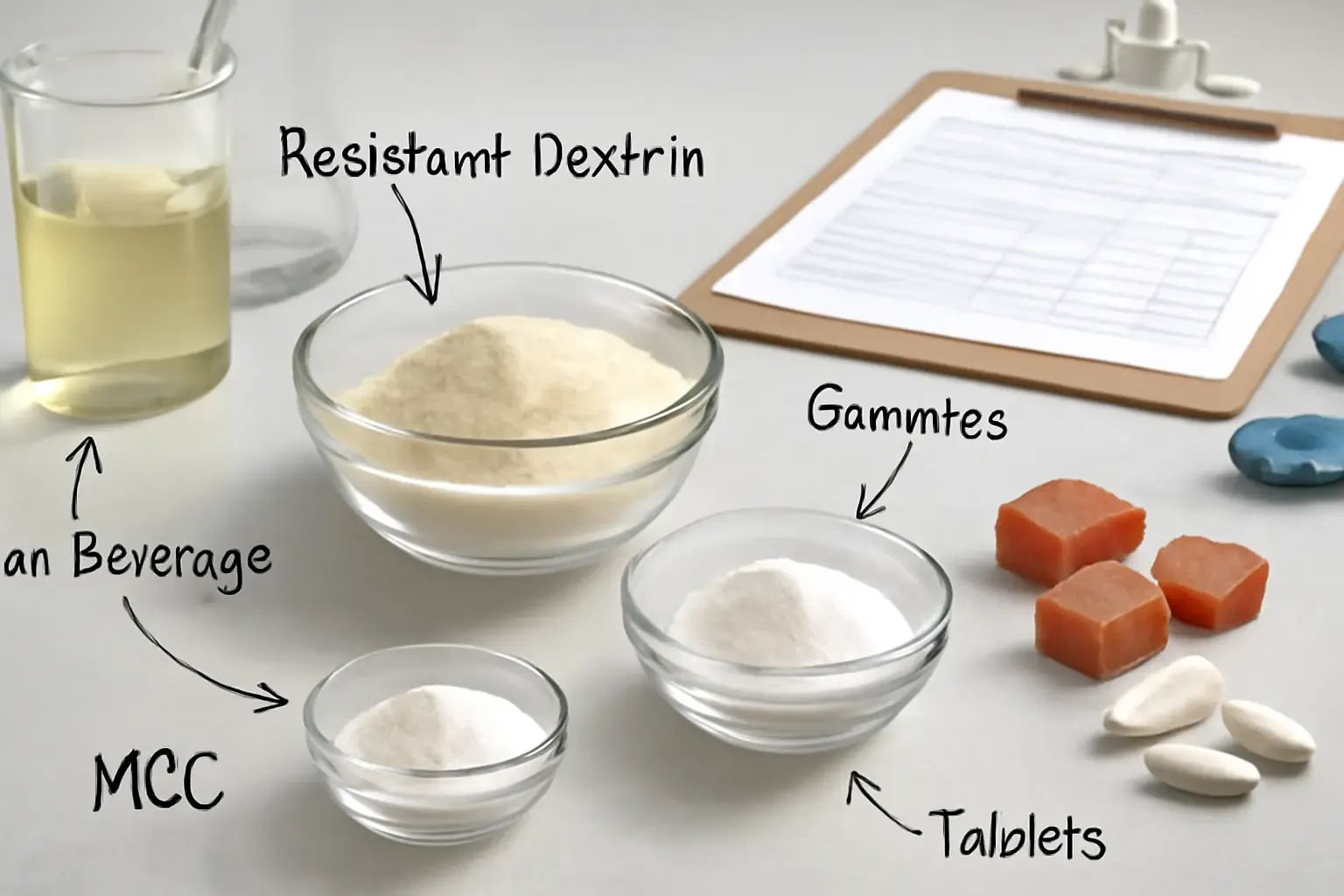
Resistant dextrin has transitioned from a simple label add-on to a fundamental ingredient for formulating high-fiber, low-sugar, and keto-friendly products. For procurement teams, the challenge often lies in the fact that resistant dextrin is frequently evaluated by price alone. However, the specifi
Dietary fiber has transitioned from a quiet nutrition panel metric to a primary product driver, especially as brands rapidly launch gut-health and lower-sugar products. This shift fundamentally changes procurement behavior: formulators need fibers that behave predictably during real-world processing
Low-sugar product design has moved beyond merely reducing sweetness into a much tougher challenge: replacing missing solids, keeping texture clean, and still hitting fiber claims in beverages, powders, and tablets. This explains why resistant dextrin (often marketed as soluble corn fiber or resistan
Fiber is no longer a mere add-on; procurement teams increasingly treat it as a core driver of product positioning, especially in beverages, bakery, and everyday nutrition formats. Concurrently, dosage-form innovation keeps tablet and capsule performance under strict scrutiny. This explains why resis
Resistant dextrin and microcrystalline cellulose (MCC) are often purchased for very different reasons—one for fiber enrichment and prebiotic positioning , the other for tableting performance and excipient reliability . Yet procurement teams regularly evaluate them through the same lens: “Is the spec
Fiber fortification and tablet manufacturing have quietly established two structural ingredients across multiple production pipelines: resistant dextrin powder (frequently marketed as soluble corn fiber or resistant maltodextrin fiber ) and microcrystalline cellulose (MCC) . From a procurement stand
Fiber fortification has moved from a simple "nice-to-have" to a core requirement in beverages, snacks, and nutrition powders—especially as brands push for low sugar positioning without sacrificing mouthfeel. In that shift, resistant dextrin (also known as digestion-resistant dextrin or resistant mal
Fiber is increasingly treated like a primary macronutrient rather than a minor label addition. For procurement teams, this shift transforms the sourcing conversation: the main challenge is no longer deciding whether to add fiber, but identifying which soluble fiber delivers a clean taste, stable pro
Modern food and supplement brands face the ongoing challenge of delivering more fiber with fewer trade-offs—such as reduced sugar, cleaner taste, stable processing, and reliable labeling. Consequently, soluble fibers like resistant dextrin (often discussed alongside resistant maltodextrin) and relat
When formulating high-fiber, low-sugar foods and supplements, brands are increasingly turning to resistant dextrin (often listed as soluble corn fiber or resistant maltodextrin). It fortifies fiber content without pushing sweetness, viscosity, or off-notes. Concurrently, procurement teams are tighte
Resistant dextrin, soluble corn fiber, and microcrystalline cellulose (MCC) have emerged as core components in modern formulation work—especially for pipelines built around lower sugar, higher fiber, and consistent processing performance . Buyers are increasingly sourcing these ingredients from Chin
Resistant dextrin—often marketed as resistant maltodextrin powder or soluble corn fiber —has become an essential ingredient for formulators needing high fiber with low calories , without compromising taste or viscosity. For procurement teams, the appeal is quite straightforward. Modern grades typica
Resistant dextrin has transitioned from a simple label add-on to a fundamental ingredient for formulating high-fiber, low-sugar, and keto-friendly products. For procurement teams, the challenge often lies in the fact that resistant dextrin is frequently evaluated by price alone. However, the specifi