
Procurement teams buying microcrystalline cellulose (MCC) and resistant dextrin are asking a fundamentally different question today than they did a few years ago. Instead of simply looking for the lowest FOB price, the market is increasingly centered on a critical metric: Who can prove the product i

Demand for prebiotic soluble fiber and microcrystalline cellulose is heading into 2026 with a clear procurement message: buyers are no longer separating ingredient performance from factory proof. Sugar reduction, keto-friendly launches, and gut-health claims are pushing more brands toward resistant

Global demand for low-GI, high-fiber product launches is pushing procurement teams to treat resistant dextrin sourcing as a strategic, risk-managed decision rather than a simple price-only purchase. This evolving buyer mindset is also spilling over into adjacent excipients such as microcrystalline c
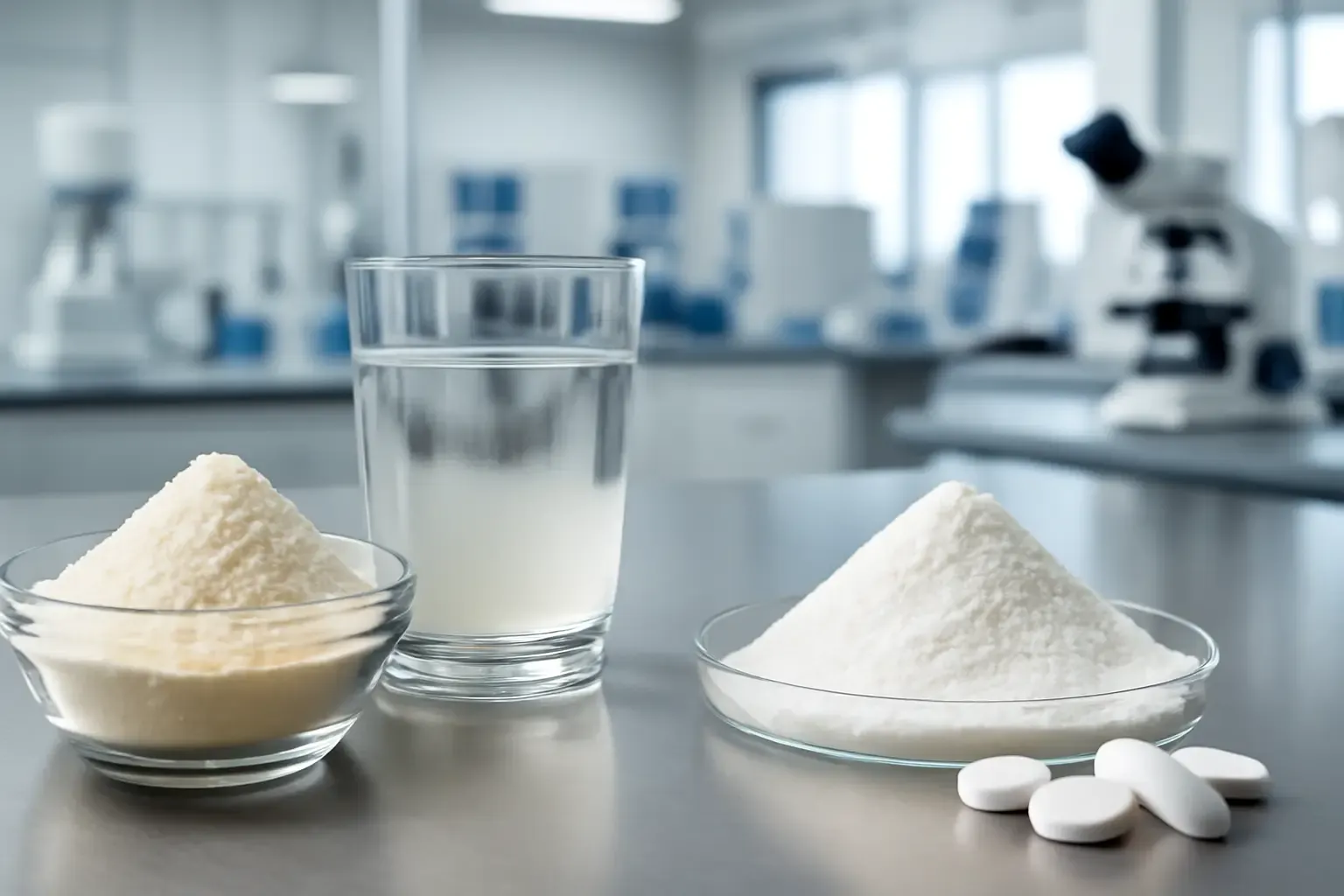
Fiber has moved from a back-of-pack nutrition line to a front-of-pack promise. What’s changing in the current market is not only how often brands highlight fiber, but how procurement teams evaluate fiber quality —from performance in real formulations to documentation and audit readiness. This shift
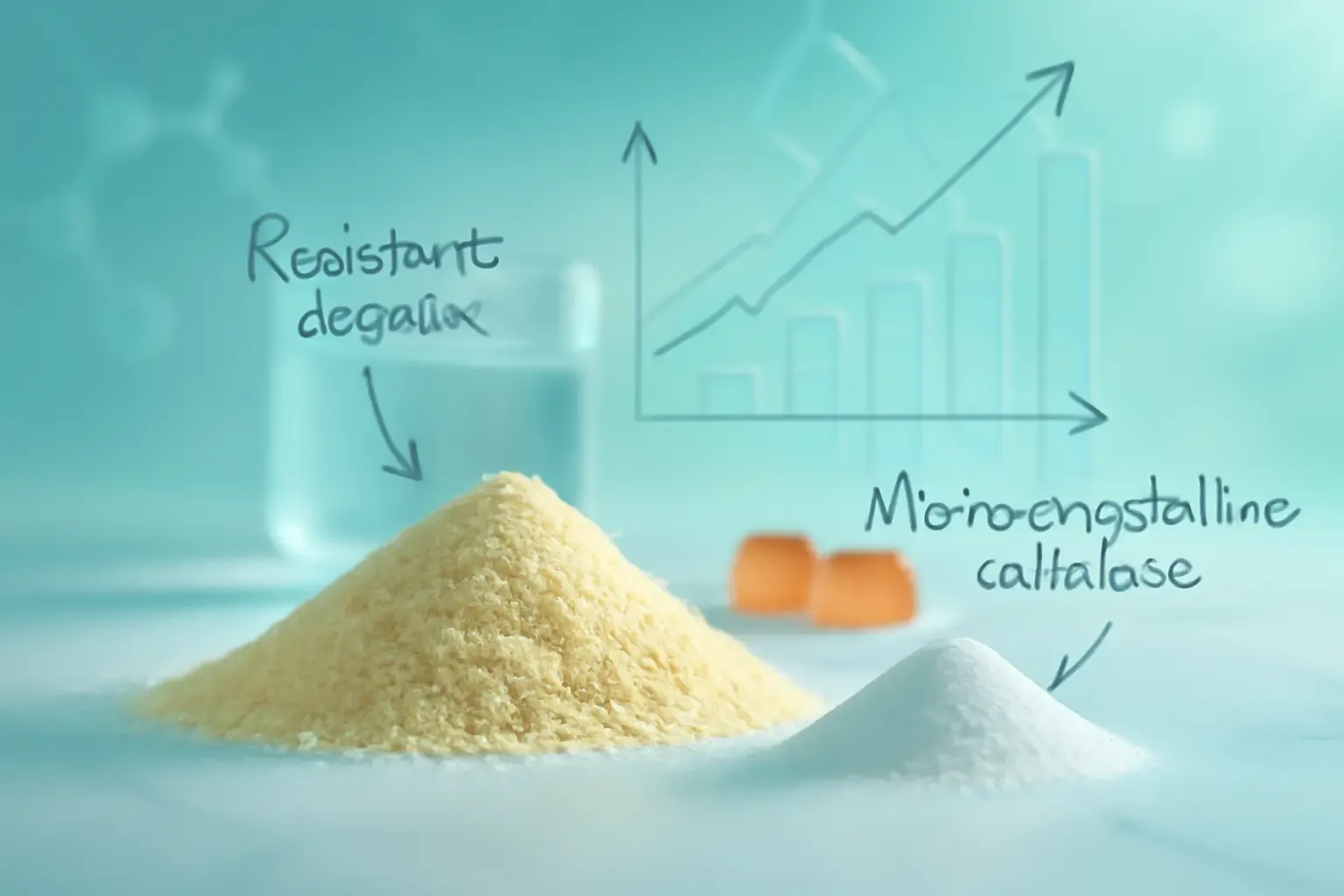
Clean-label nutrition is no longer a niche positioning—it is becoming a baseline requirement in global product briefs. One clear signal is the nutraceutical excipients market forecast: a third-party market update projects growth from USD 2.8B (2025) to USD 5.2B (2035) at roughly 6.4% CAGR , represen
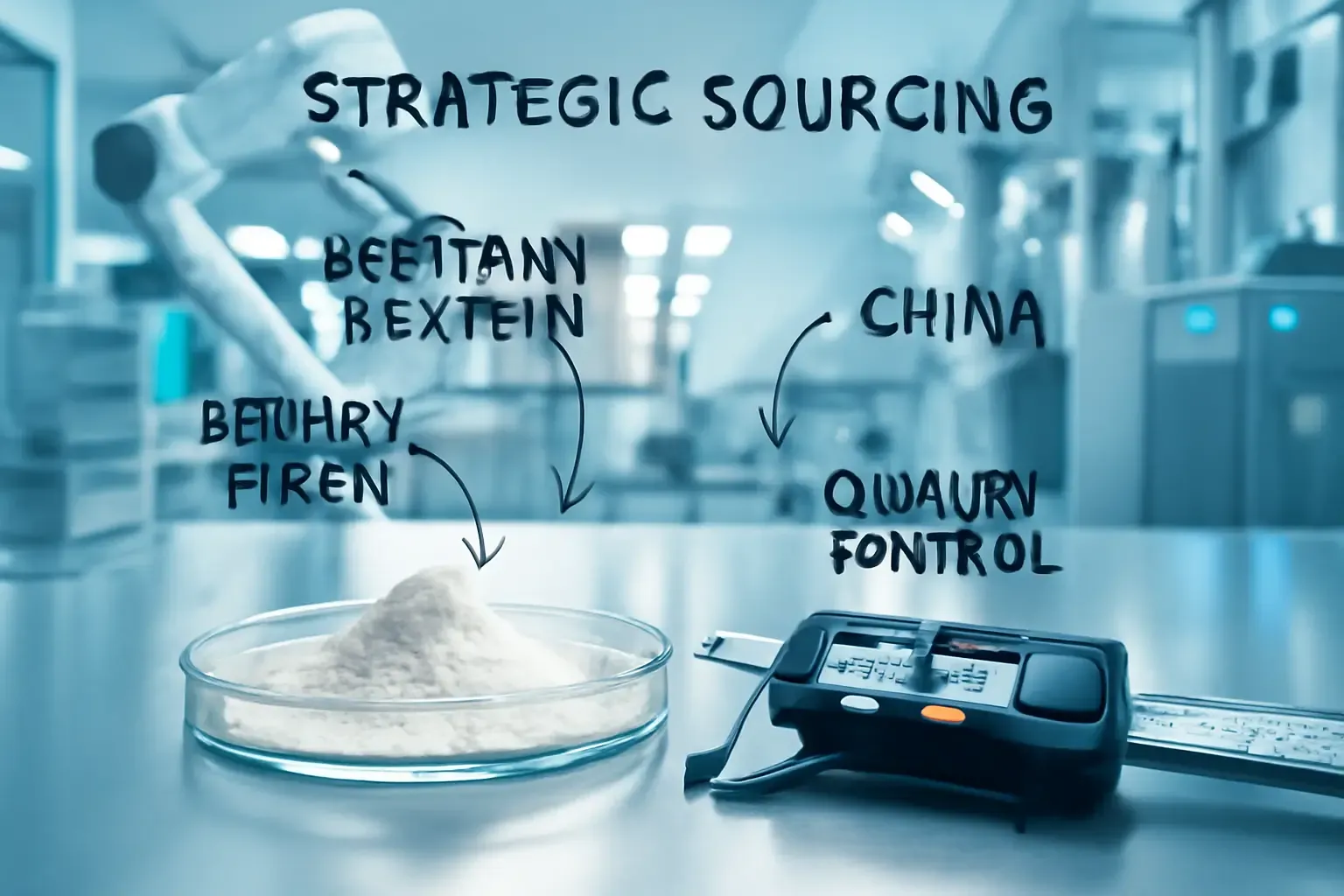
Fiber is no longer a “nice-to-have” on a supplement label. Between the rise of Gen Z “fibermaxxing” and a broader shift toward clean-label, formulation-friendly excipients, procurement teams are treating resistant dextrin , non-GMO soluble corn fiber , and microcrystalline cellulose (MCC) as strateg
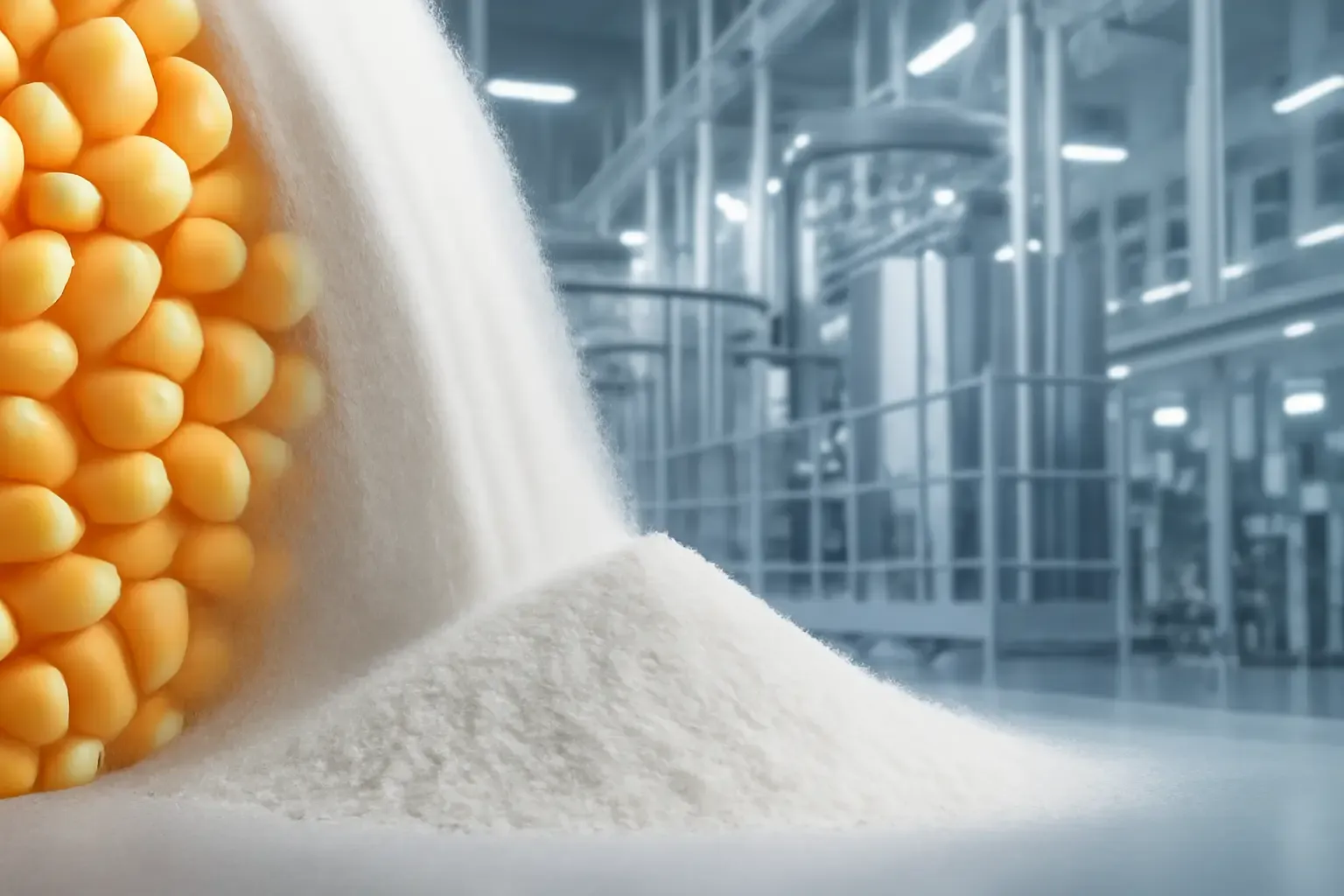
In 2026, global procurement teams are adopting a significantly tighter definition of “recommended” when screening a **resistant dextrin manufacturer China** or a **microcrystalline cellulose supplier China**. The fundamental shift in sourcing strategy is no longer centered solely on price per kilogr
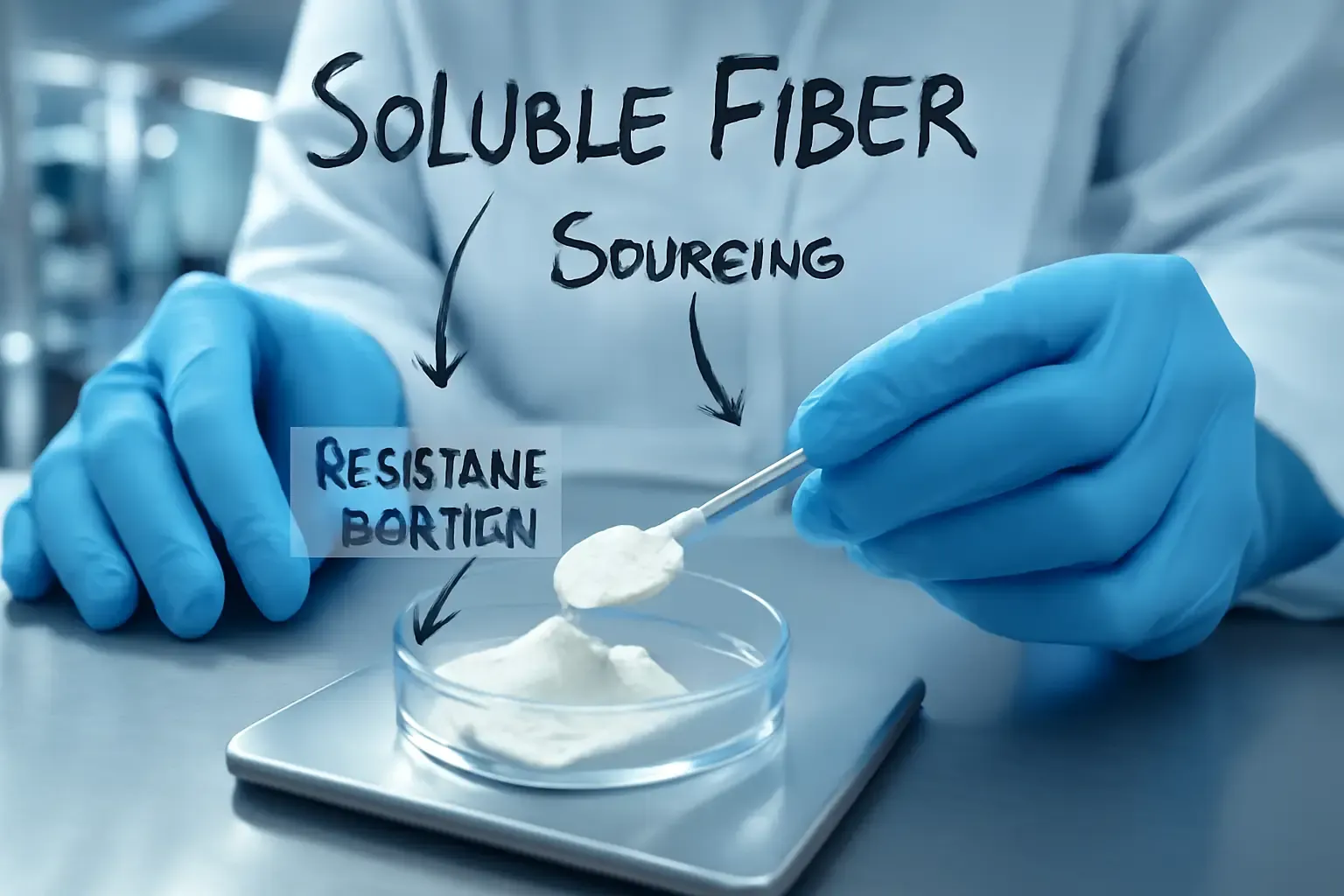
Global interest in soluble dietary fiber is no longer confined to niche “better-for-you” launches. It is shaping mainstream beverages, confectionery, functional foods, and supplement formats—while also changing how excipients are evaluated in parallel. For procurement teams, that shift has a practic

Fiber is rapidly shifting from a secondary label feature to a primary value driver. Under the fast-spreading fibermaxxing trend, brands are now positioning fiber as a lead claim—sitting squarely alongside protein, low sugar, and gut-health narratives. Recent market analysis suggests a pivotal shift:

The 2026 “fibremaxxing” wave—amplified by Gen Z wellness culture and social media—has turned dietary fiber from a quiet nutrition claim into a formulation and procurement headline. For buyers, the signal is practical: more RFQs, tighter specifications, and higher expectations for documentation acros
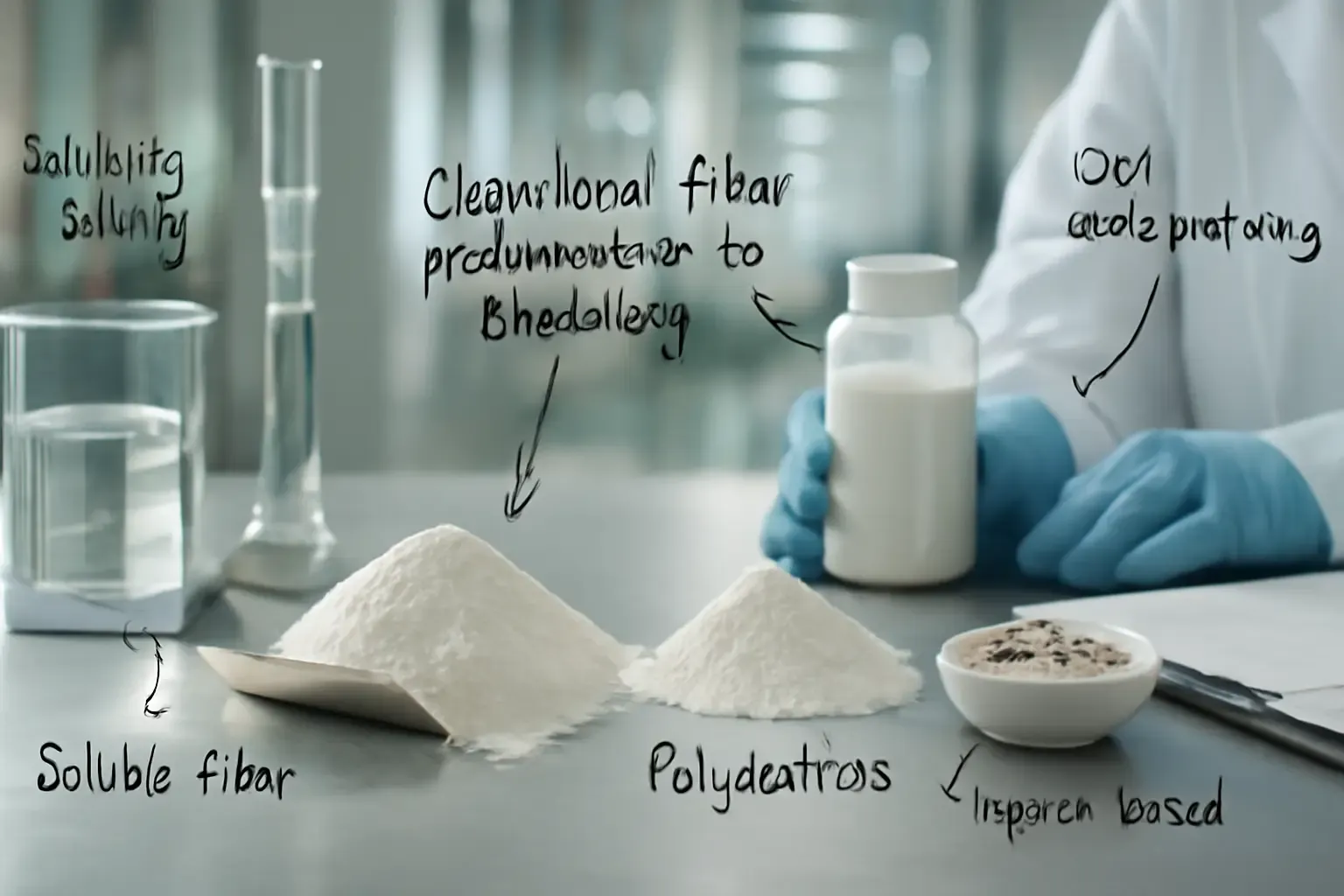
Global product teams are currently navigating a complex trilemma: deliver lower sugar, higher fiber, and cleaner labels, all without compromising taste, texture, or process stability. This specific combination of pressures is driving procurement managers to pay significantly closer attention to Chin
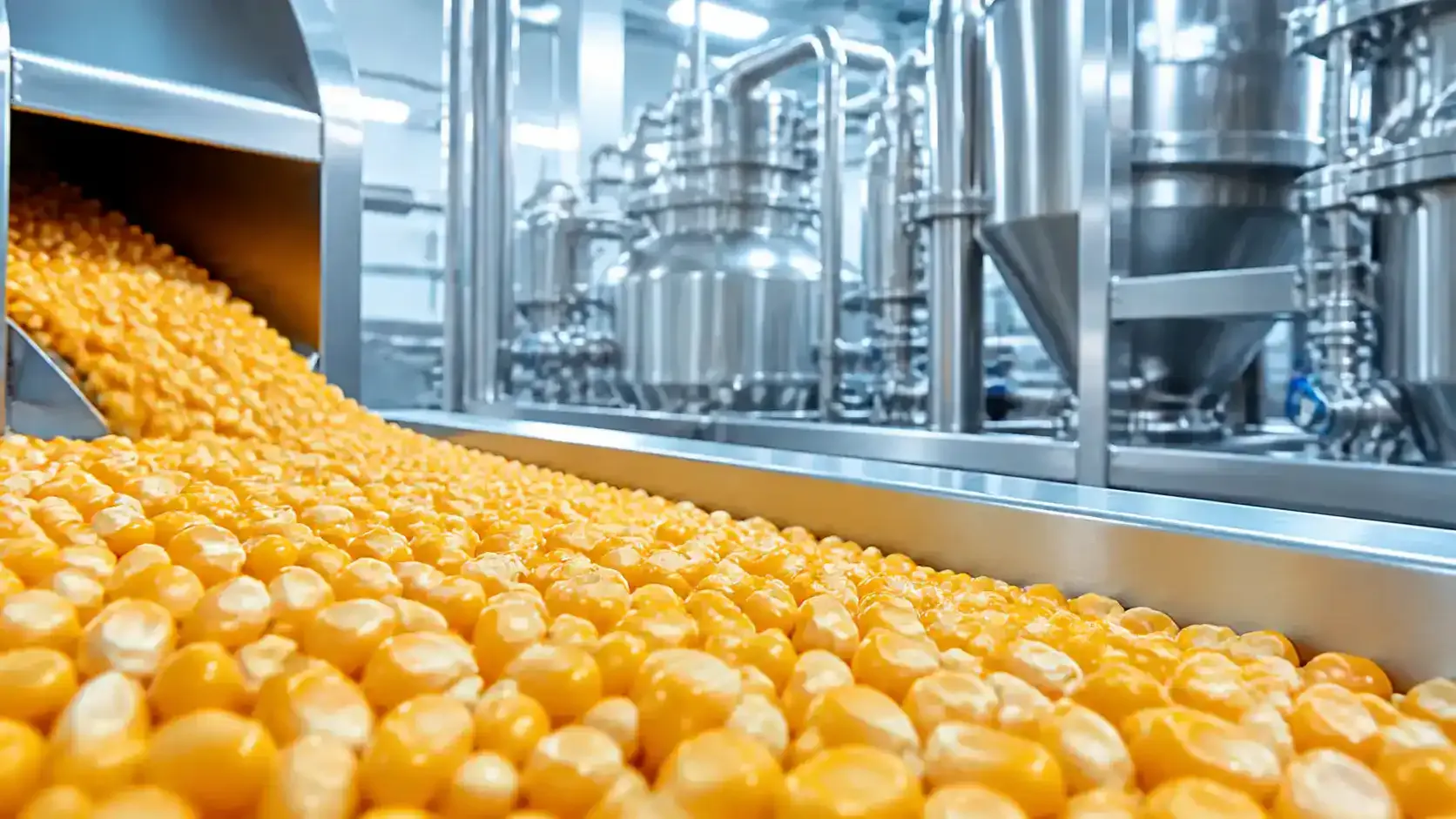
Rising demand for low‑carb, high‑fiber foods and gut‑health products is changing how procurement teams build ingredient portfolios. Two materials keep showing up in the same buyer conversations: resistant dextrin (often positioned as soluble dietary fiber or soluble corn fiber ) and microcrystalline
Procurement teams buying microcrystalline cellulose (MCC) and resistant dextrin are asking a fundamentally different question today than they did a few years ago. Instead of simply looking for the lowest FOB price, the market is increasingly centered on a critical metric: Who can prove the product i
Demand for prebiotic soluble fiber and microcrystalline cellulose is heading into 2026 with a clear procurement message: buyers are no longer separating ingredient performance from factory proof. Sugar reduction, keto-friendly launches, and gut-health claims are pushing more brands toward resistant
Global demand for low-GI, high-fiber product launches is pushing procurement teams to treat resistant dextrin sourcing as a strategic, risk-managed decision rather than a simple price-only purchase. This evolving buyer mindset is also spilling over into adjacent excipients such as microcrystalline c
Fiber has moved from a back-of-pack nutrition line to a front-of-pack promise. What’s changing in the current market is not only how often brands highlight fiber, but how procurement teams evaluate fiber quality —from performance in real formulations to documentation and audit readiness. This shift
Clean-label nutrition is no longer a niche positioning—it is becoming a baseline requirement in global product briefs. One clear signal is the nutraceutical excipients market forecast: a third-party market update projects growth from USD 2.8B (2025) to USD 5.2B (2035) at roughly 6.4% CAGR , represen
Fiber is no longer a “nice-to-have” on a supplement label. Between the rise of Gen Z “fibermaxxing” and a broader shift toward clean-label, formulation-friendly excipients, procurement teams are treating resistant dextrin , non-GMO soluble corn fiber , and microcrystalline cellulose (MCC) as strateg
In 2026, global procurement teams are adopting a significantly tighter definition of “recommended” when screening a **resistant dextrin manufacturer China** or a **microcrystalline cellulose supplier China**. The fundamental shift in sourcing strategy is no longer centered solely on price per kilogr
Global interest in soluble dietary fiber is no longer confined to niche “better-for-you” launches. It is shaping mainstream beverages, confectionery, functional foods, and supplement formats—while also changing how excipients are evaluated in parallel. For procurement teams, that shift has a practic
Fiber is rapidly shifting from a secondary label feature to a primary value driver. Under the fast-spreading fibermaxxing trend, brands are now positioning fiber as a lead claim—sitting squarely alongside protein, low sugar, and gut-health narratives. Recent market analysis suggests a pivotal shift:
The 2026 “fibremaxxing” wave—amplified by Gen Z wellness culture and social media—has turned dietary fiber from a quiet nutrition claim into a formulation and procurement headline. For buyers, the signal is practical: more RFQs, tighter specifications, and higher expectations for documentation acros
Global product teams are currently navigating a complex trilemma: deliver lower sugar, higher fiber, and cleaner labels, all without compromising taste, texture, or process stability. This specific combination of pressures is driving procurement managers to pay significantly closer attention to Chin
Rising demand for low‑carb, high‑fiber foods and gut‑health products is changing how procurement teams build ingredient portfolios. Two materials keep showing up in the same buyer conversations: resistant dextrin (often positioned as soluble dietary fiber or soluble corn fiber ) and microcrystalline