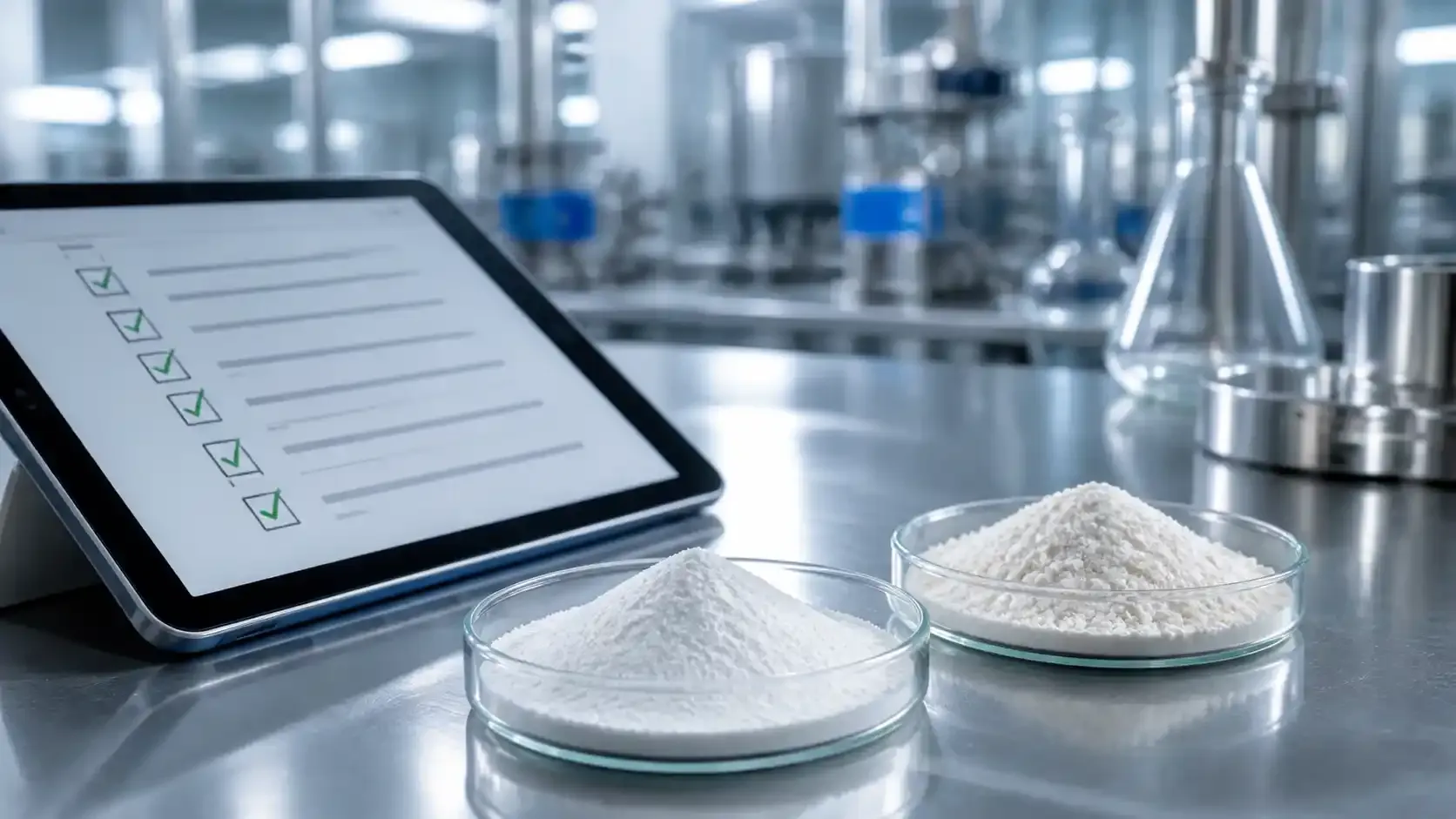
In 2026, procurement teams are treating “routine” inputs—like tablet excipients and soluble fibers—with the same rigor once reserved for APIs and critical packaging. The reason is simple: the risk profile has shifted. Public 2026 supply-chain forecasts have highlighted geopolitical fragmentation and

Accessible nutrition is no longer a niche positioning—it’s becoming a mainstream expectation. A 2026 trends report highlighted that 54% of consumers associate fiber with improved gut health , and brand teams are responding with more fiber-forward launches across beverages, gummies, and nutrition pow

Fiber is no longer just a “nice-to-have” feature on ingredient labels. As the industry heads toward 2026, fiber-plus-protein formats—ranging from RTD coffees and nutrition shakes to bars, gummies, and powdered drink mixes—are transforming fiber into a core performance ingredient rather than a simple
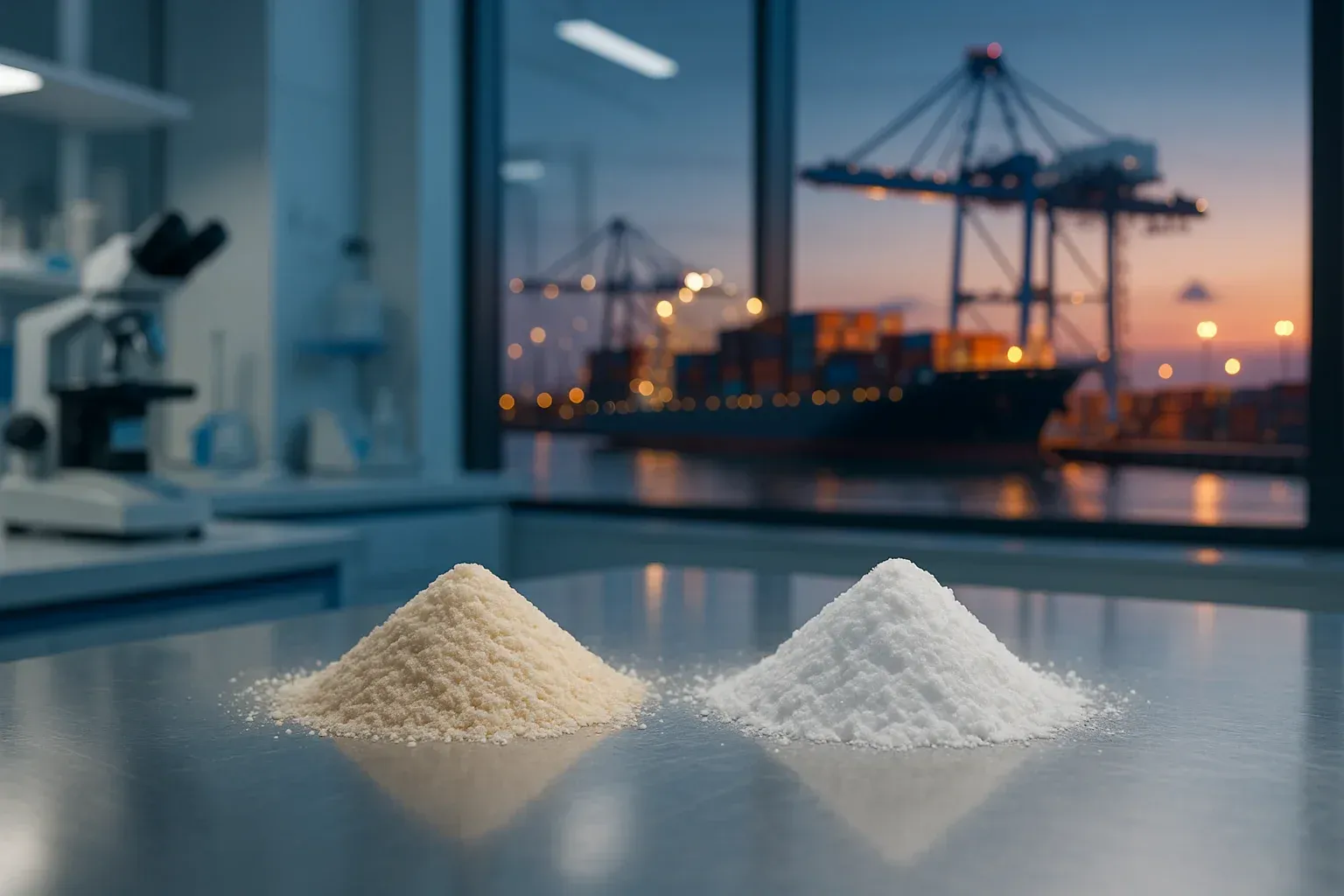
2026 demand signal: ‘Accessible nutrition’ is pushing more mainstream SKUs toward added fiber, especially in bars, shakes, and cultured dairy—making resistant dextrin soluble dietary fiber a default formulation requirement rather than a novelty marketing claim. China sourcing signal: China’s manufac

In 2026, "accessible nutrition" has moved from a marketing phrase to a procurement reality. Brands are pairing protein + fiber in everyday formats—bars, shakes, powders, and increasingly coffee —because consumers want simple products that support both muscle and gut health . This shift is accelerati
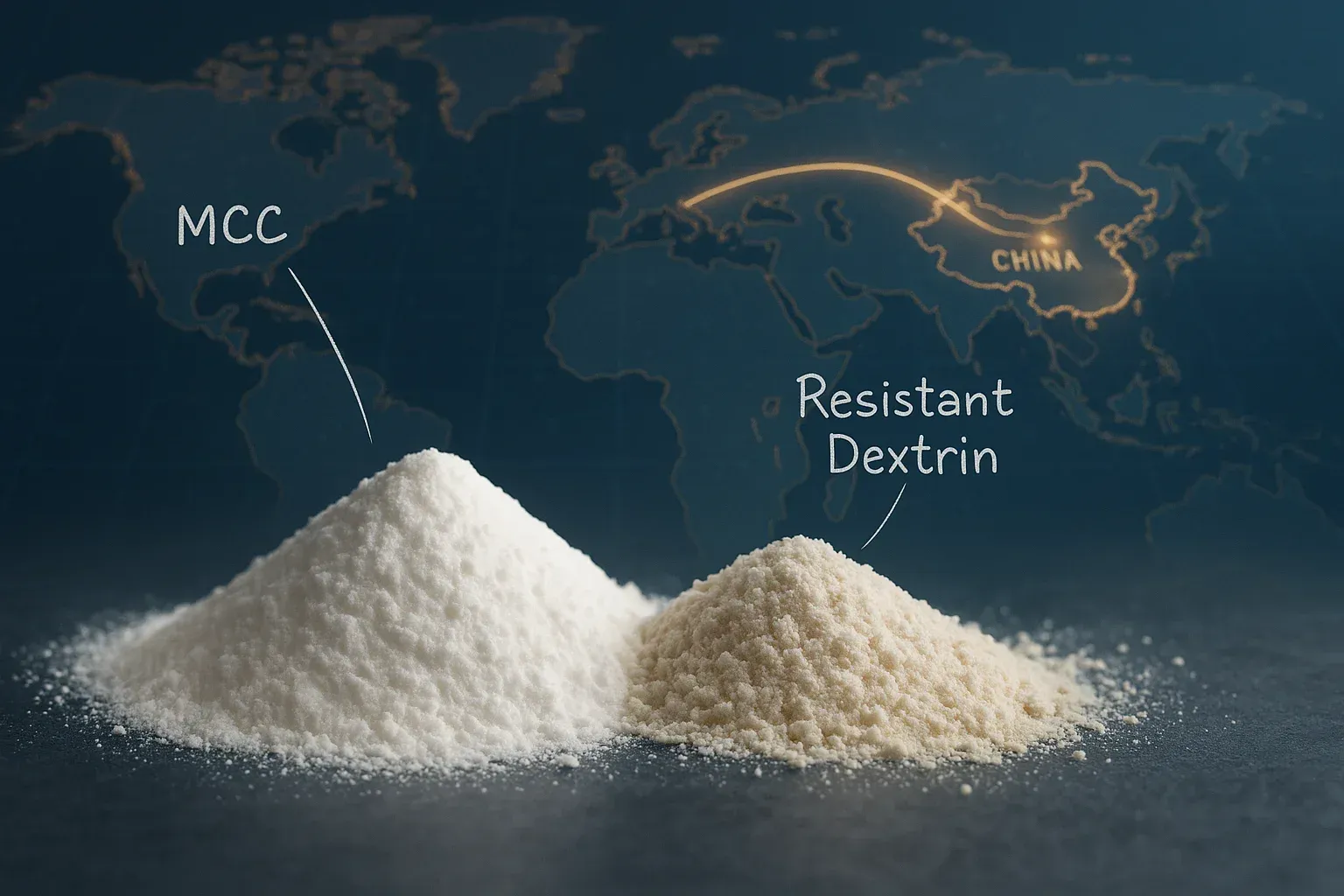
Accessible nutrition is no longer just a consumer slogan—it has become a procurement filter. Brands want cost-effective, label-friendly products that still deliver texture, stability, satiety, and digestive comfort. That shift is moving more tenders toward China, where scale and export readiness are
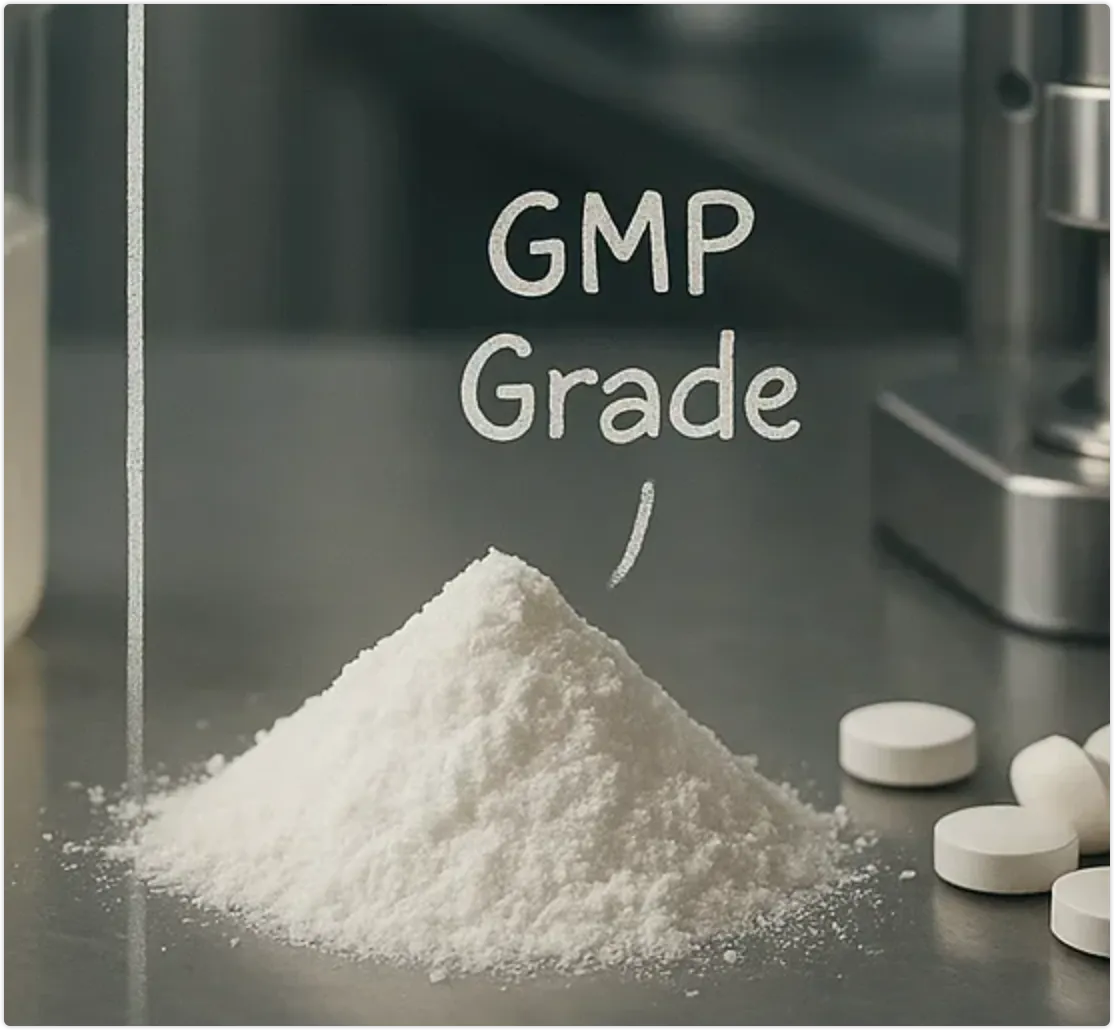
A 2026-ready sourcing brief for procurement teams evaluating a resistant dextrin manufacturer China and microcrystalline cellulose manufacturer China, with verification steps, hub insights, and COA checkpoints. Accessible nutrition is quickly turning into a procurement reality: shoppers want everyda

Track 2026 supply risks, specs, and supplier checks for MCC and resistant dextrin sourcing from China to stabilize quality, lead time, and cost. Global Shocks Are Now a Procurement Input

Fiber-first launches in 2026 are pushing new expectations for resistant dextrin. Learn formulation-ready specs and how to vet a resistant dextrin supplier China buyers can trust. Fiber is rapidly evolving from a secondary label claim to a primary driver of purchase intent. For procurement teams and

Fiber is no longer just a “nice-to-have” claim on product labels—it has evolved into a strategic portfolio decision impacting formulation, regulatory compliance, and supplier risk management. For procurement teams, this shift is highly practical: an increasing number of RFQs now specify strict solub
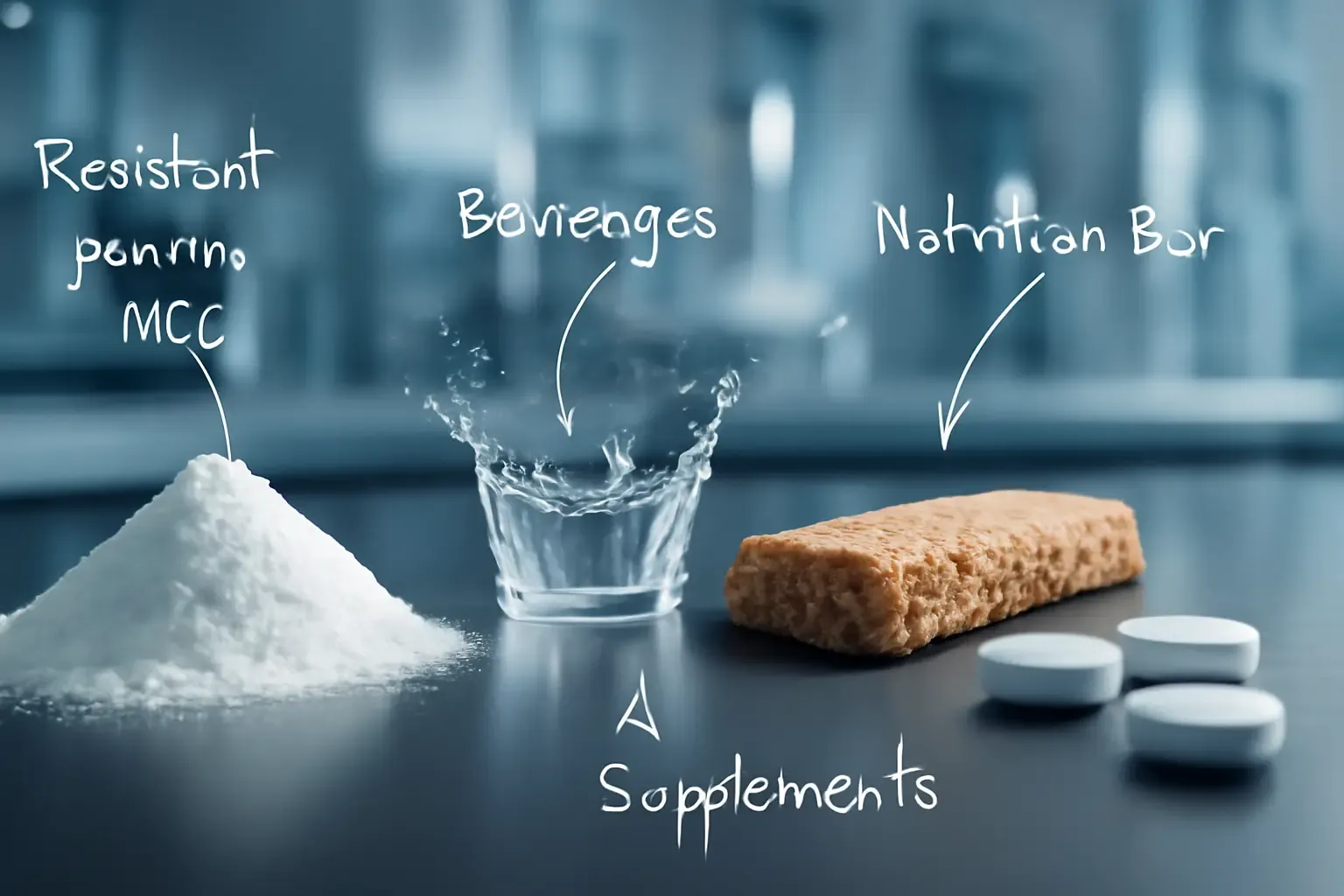
Gut health, satiety, and “fiber-first” reformulation are no longer niche conversations—they are actively shaping mainstream product launches across beverages, nutrition bars, and dietary supplements. In this industry-wide shift, resistant dextrin has emerged as one of the most frequently requested s
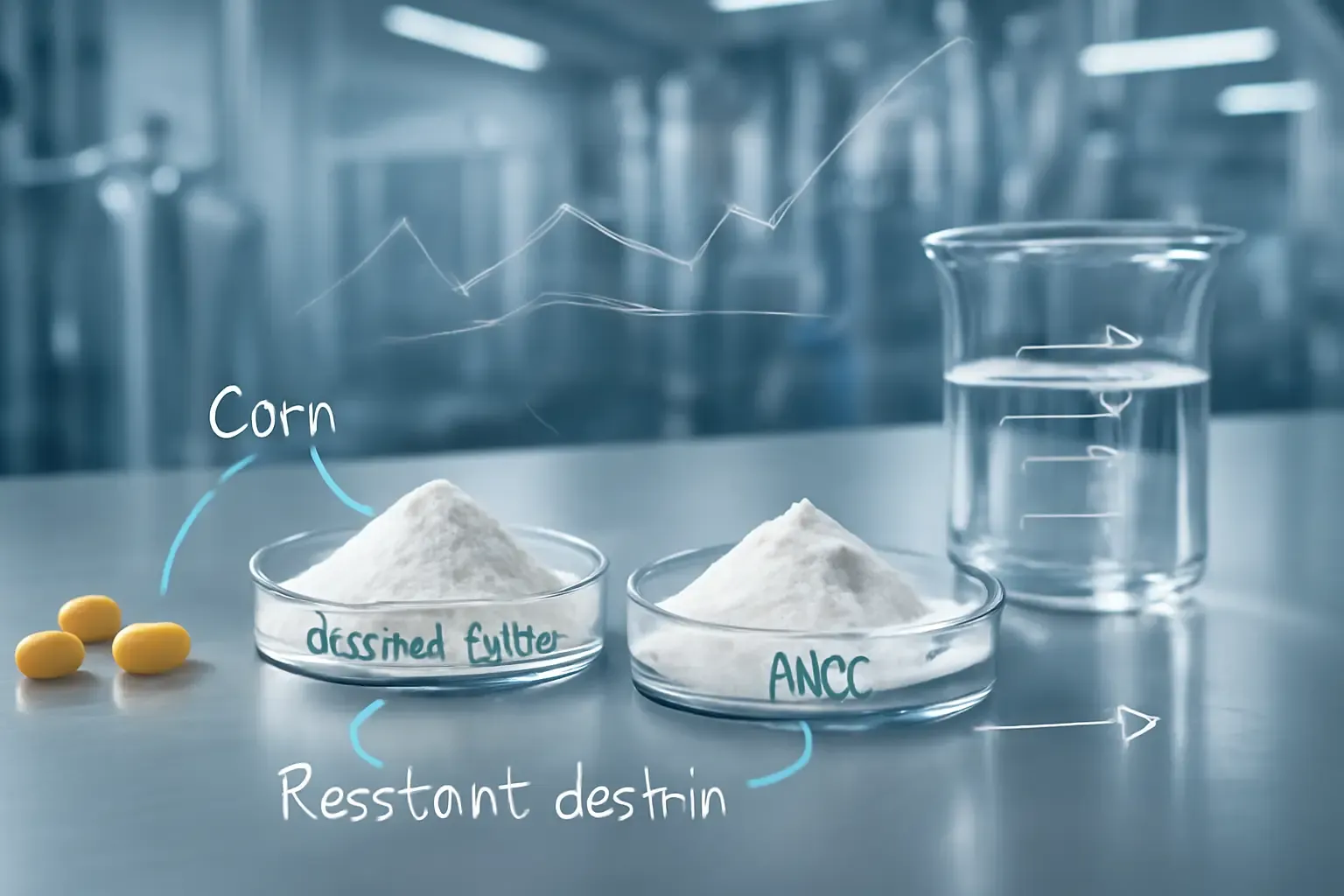
Fiber is no longer a "nice-to-have" claim reserved for niche gut-health brands. Going into 2026, fiber-forward launches are becoming mainstream across beverages, bars, confectionery, and supplements—pushing procurement teams to treat resistant dextrin , soluble corn fiber , and microcrystalline cell
In 2026, procurement teams are treating “routine” inputs—like tablet excipients and soluble fibers—with the same rigor once reserved for APIs and critical packaging. The reason is simple: the risk profile has shifted. Public 2026 supply-chain forecasts have highlighted geopolitical fragmentation and
Accessible nutrition is no longer a niche positioning—it’s becoming a mainstream expectation. A 2026 trends report highlighted that 54% of consumers associate fiber with improved gut health , and brand teams are responding with more fiber-forward launches across beverages, gummies, and nutrition pow
Fiber is no longer just a “nice-to-have” feature on ingredient labels. As the industry heads toward 2026, fiber-plus-protein formats—ranging from RTD coffees and nutrition shakes to bars, gummies, and powdered drink mixes—are transforming fiber into a core performance ingredient rather than a simple
2026 demand signal: ‘Accessible nutrition’ is pushing more mainstream SKUs toward added fiber, especially in bars, shakes, and cultured dairy—making resistant dextrin soluble dietary fiber a default formulation requirement rather than a novelty marketing claim. China sourcing signal: China’s manufac
In 2026, "accessible nutrition" has moved from a marketing phrase to a procurement reality. Brands are pairing protein + fiber in everyday formats—bars, shakes, powders, and increasingly coffee —because consumers want simple products that support both muscle and gut health . This shift is accelerati
Accessible nutrition is no longer just a consumer slogan—it has become a procurement filter. Brands want cost-effective, label-friendly products that still deliver texture, stability, satiety, and digestive comfort. That shift is moving more tenders toward China, where scale and export readiness are
A 2026-ready sourcing brief for procurement teams evaluating a resistant dextrin manufacturer China and microcrystalline cellulose manufacturer China, with verification steps, hub insights, and COA checkpoints. Accessible nutrition is quickly turning into a procurement reality: shoppers want everyda
Track 2026 supply risks, specs, and supplier checks for MCC and resistant dextrin sourcing from China to stabilize quality, lead time, and cost. Global Shocks Are Now a Procurement Input
Fiber-first launches in 2026 are pushing new expectations for resistant dextrin. Learn formulation-ready specs and how to vet a resistant dextrin supplier China buyers can trust. Fiber is rapidly evolving from a secondary label claim to a primary driver of purchase intent. For procurement teams and
Fiber is no longer just a “nice-to-have” claim on product labels—it has evolved into a strategic portfolio decision impacting formulation, regulatory compliance, and supplier risk management. For procurement teams, this shift is highly practical: an increasing number of RFQs now specify strict solub
Gut health, satiety, and “fiber-first” reformulation are no longer niche conversations—they are actively shaping mainstream product launches across beverages, nutrition bars, and dietary supplements. In this industry-wide shift, resistant dextrin has emerged as one of the most frequently requested s
Fiber is no longer a "nice-to-have" claim reserved for niche gut-health brands. Going into 2026, fiber-forward launches are becoming mainstream across beverages, bars, confectionery, and supplements—pushing procurement teams to treat resistant dextrin , soluble corn fiber , and microcrystalline cell