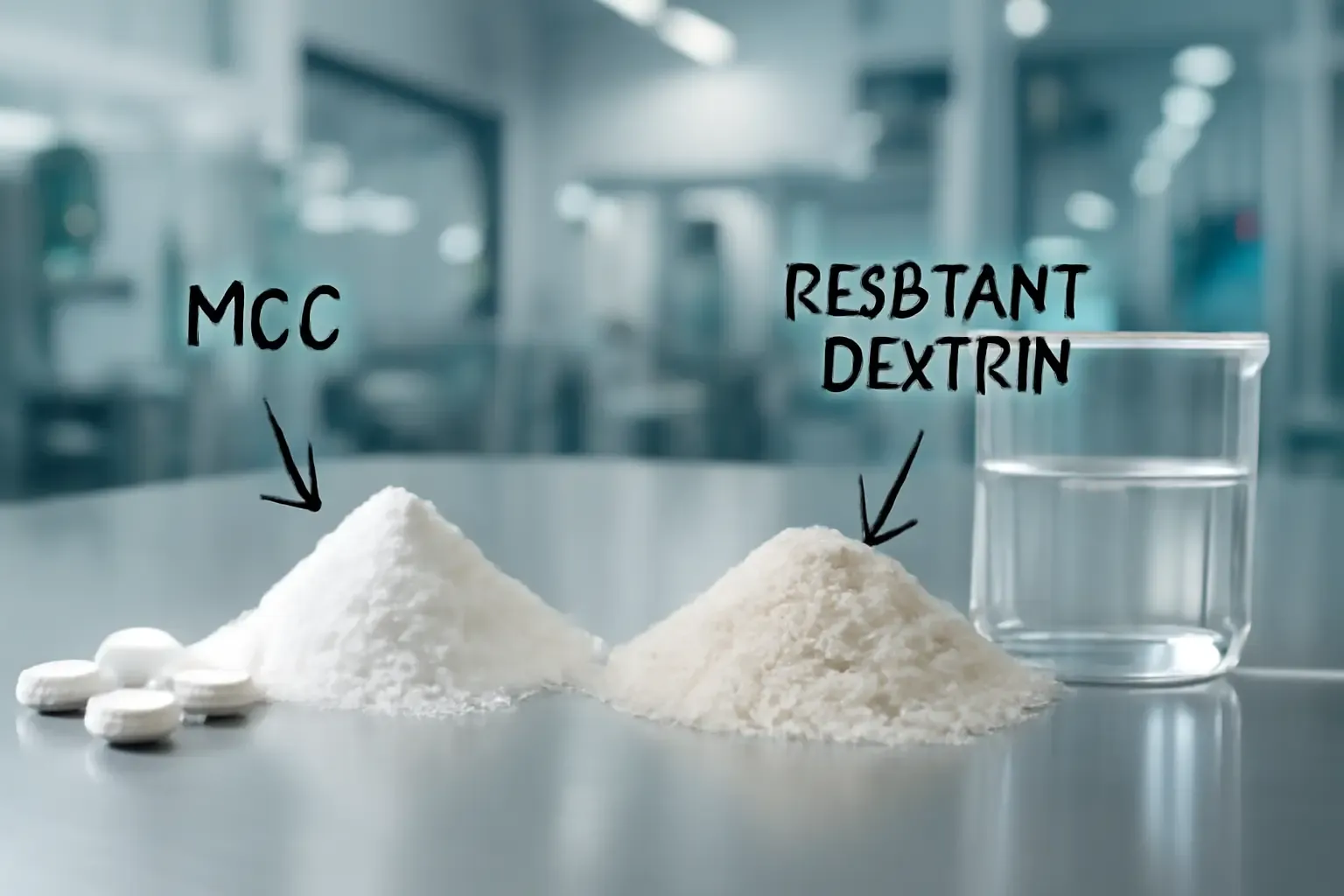
Dietary fiber is moving from a “nice-to-have” claim to a product-planning requirement for 2026, while nutraceutical tablets and capsules continue to scale globally. That combination is putting two workhorse ingredients back under the procurement microscope: microcrystalline cellulose (MCC) for solid

When procurement teams compare offers for dietary fiber and excipients, the paperwork can look deceptively similar: a COA, a spec sheet, a few certifications, and an attractive FOB price. The risk shows up later—during pilot trials, scale-up, or label review—when an ingredient that seemed interchang

Procurement teams rarely lose time because of price alone. Delays usually come from preventable uncertainty : a missing NON‑GMO proof, an inconsistent COA, a fiber claim that doesn’t hold after heat processing, or a tablet run that fails because the excipient grade was misunderstood. For many global
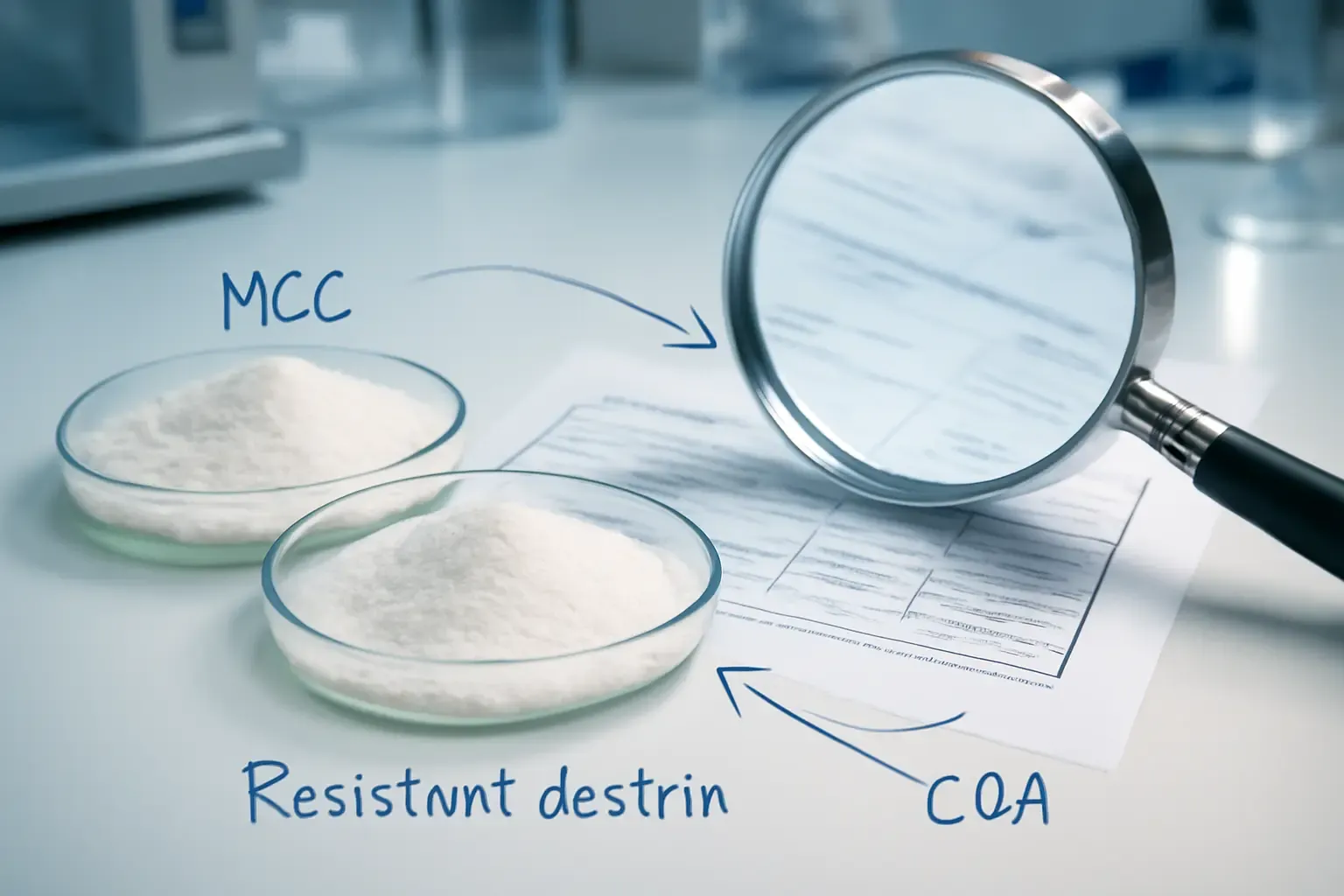
In global tenders for dietary fiber and pharmaceutical excipients, China remains a dominant force—especially for Microcrystalline Cellulose (MCC) and resistant dextrin (often marketed as soluble corn fiber). Yet, procurement teams understand the inherent challenge: a strong marketplace listing does
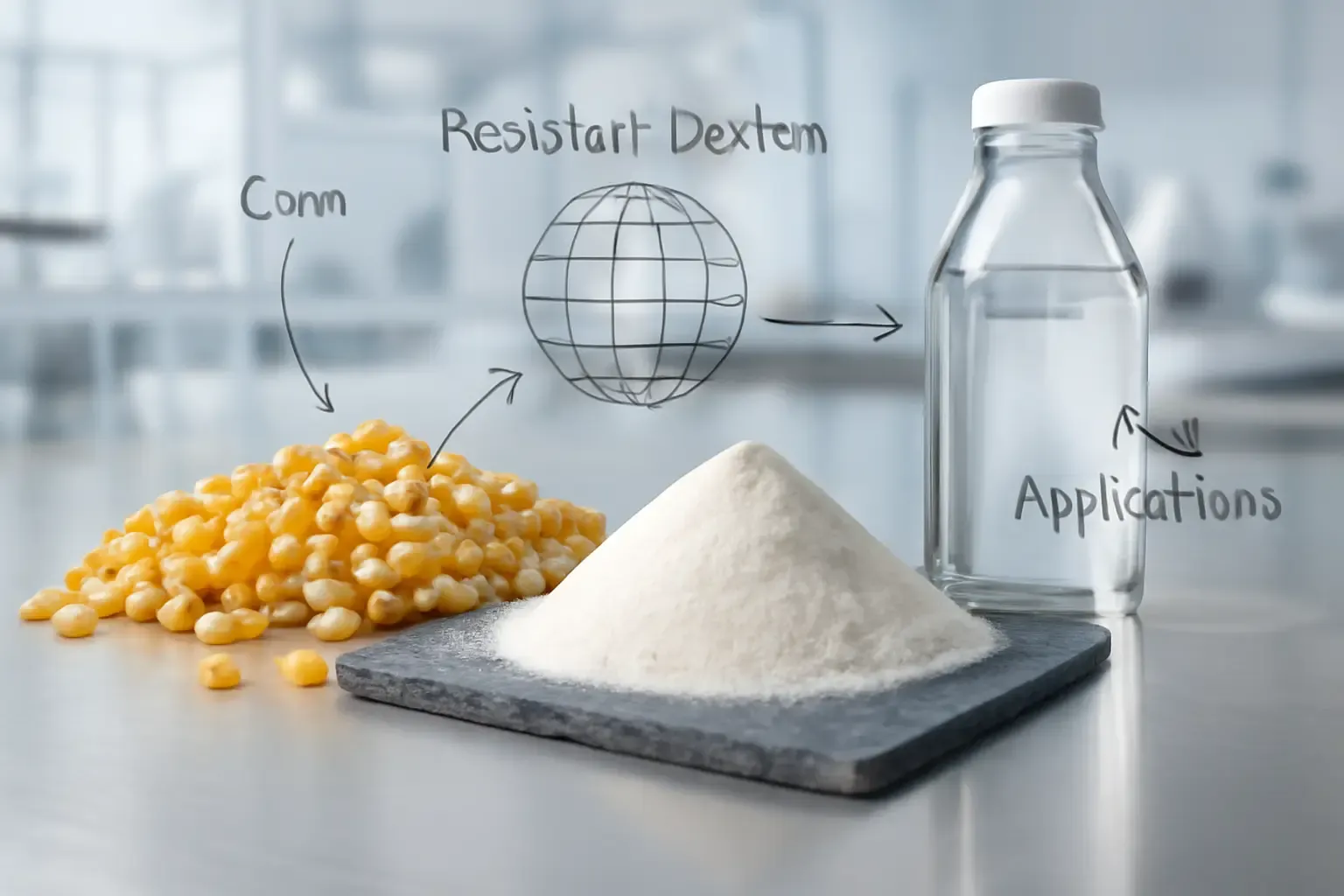
Resistant dextrin has evolved from a niche functional add-on to a critical formulation backbone. For many beverage, bakery, and supplement development teams, this ingredient is now a core input that determines whether a label claim is defensible, whether a functional drink remains smooth, and whethe
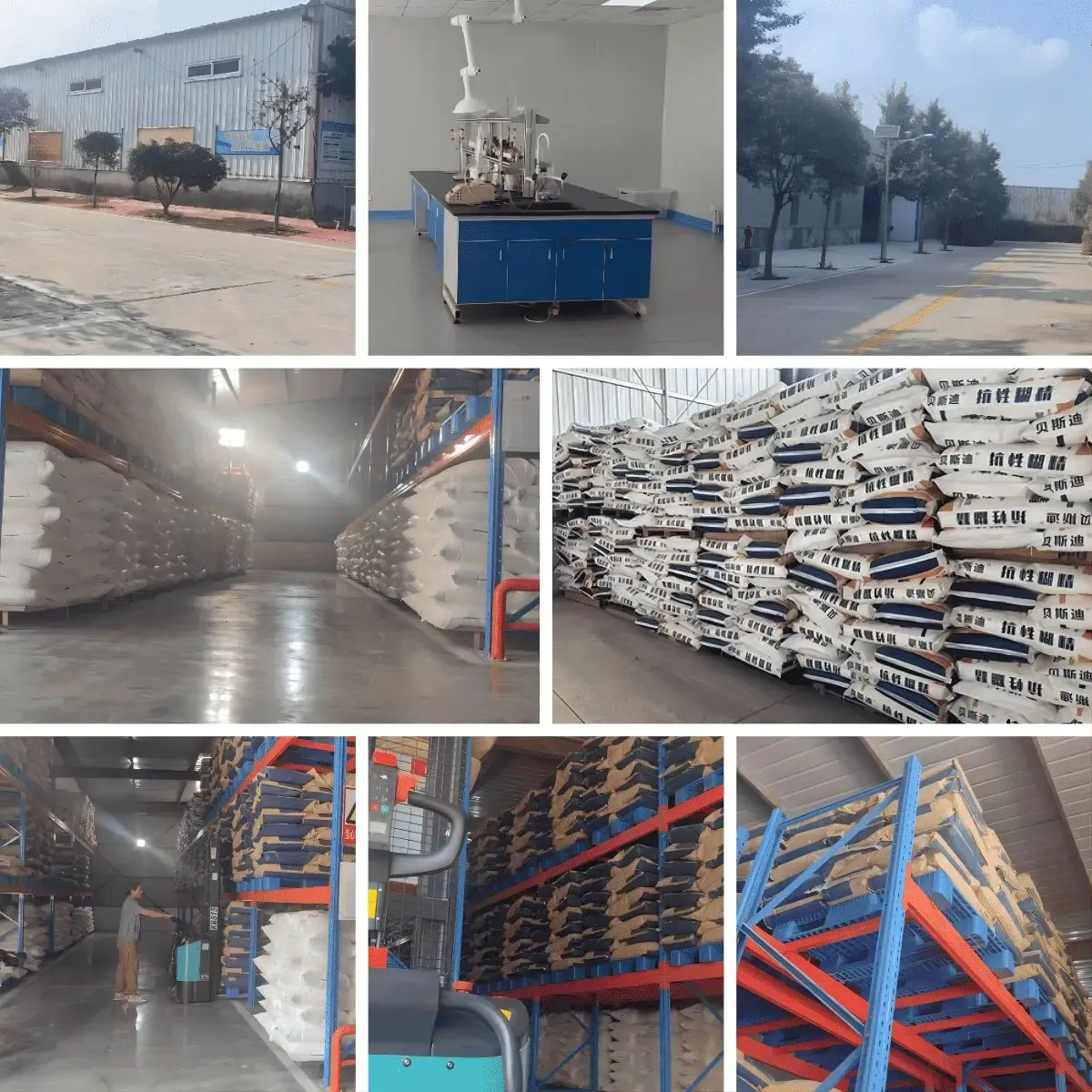
A buyer-focused guide to selecting a recommended Chinese resistant dextrin manufacturer and microcrystalline cellulose supplier using 2026 demand signals and practical spec checks. 2026 demand signals that should change how you shortlist suppliers Two 2026 signals are especially relevant for procure
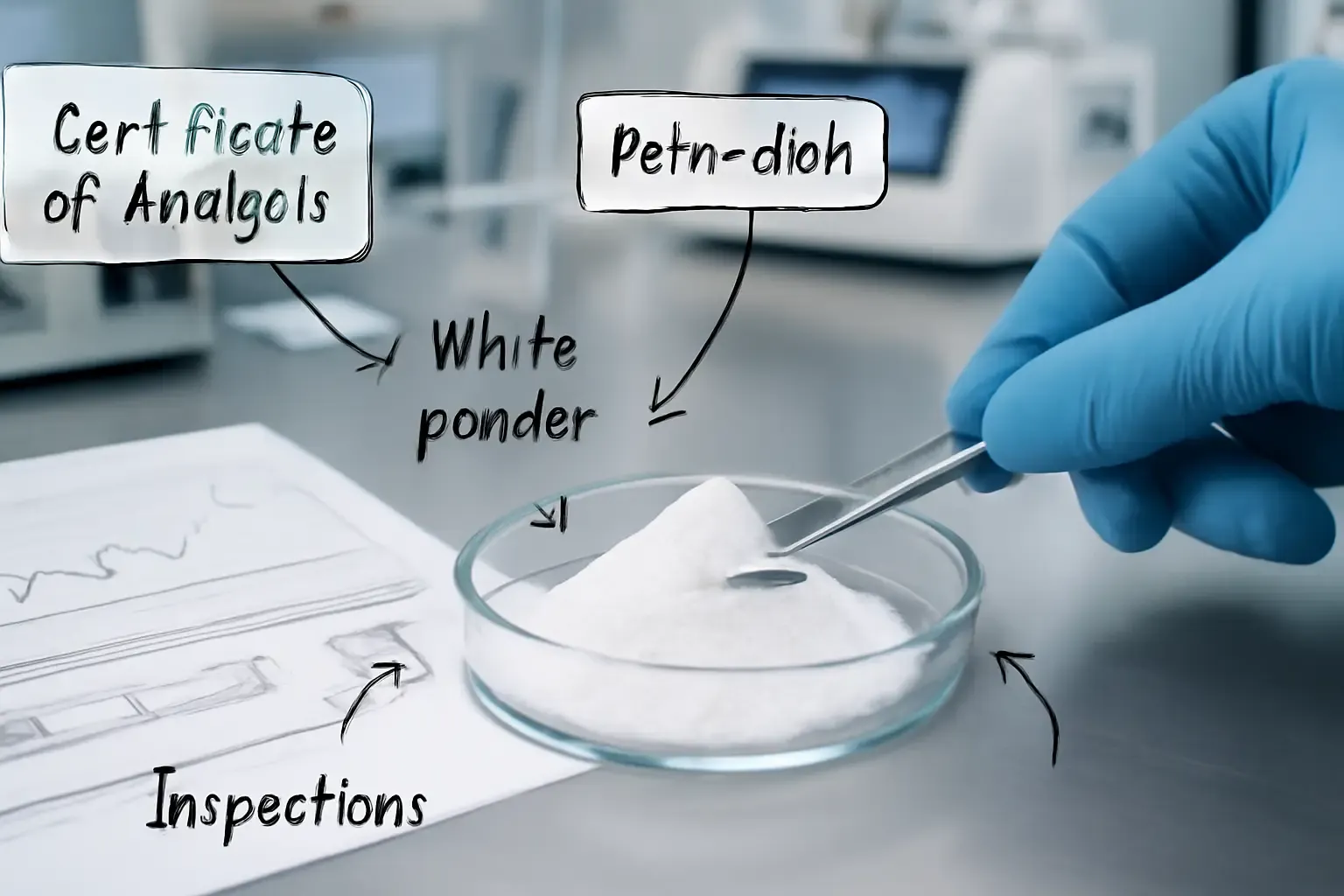
Fibre-forward product design has evolved beyond a simple marketing angle—it is now fundamentally shaping procurement language. Simultaneously, the pharmaceutical sector continues to tighten expectations for excipients like microcrystalline cellulose (MCC). Together, these distinct demand streams are
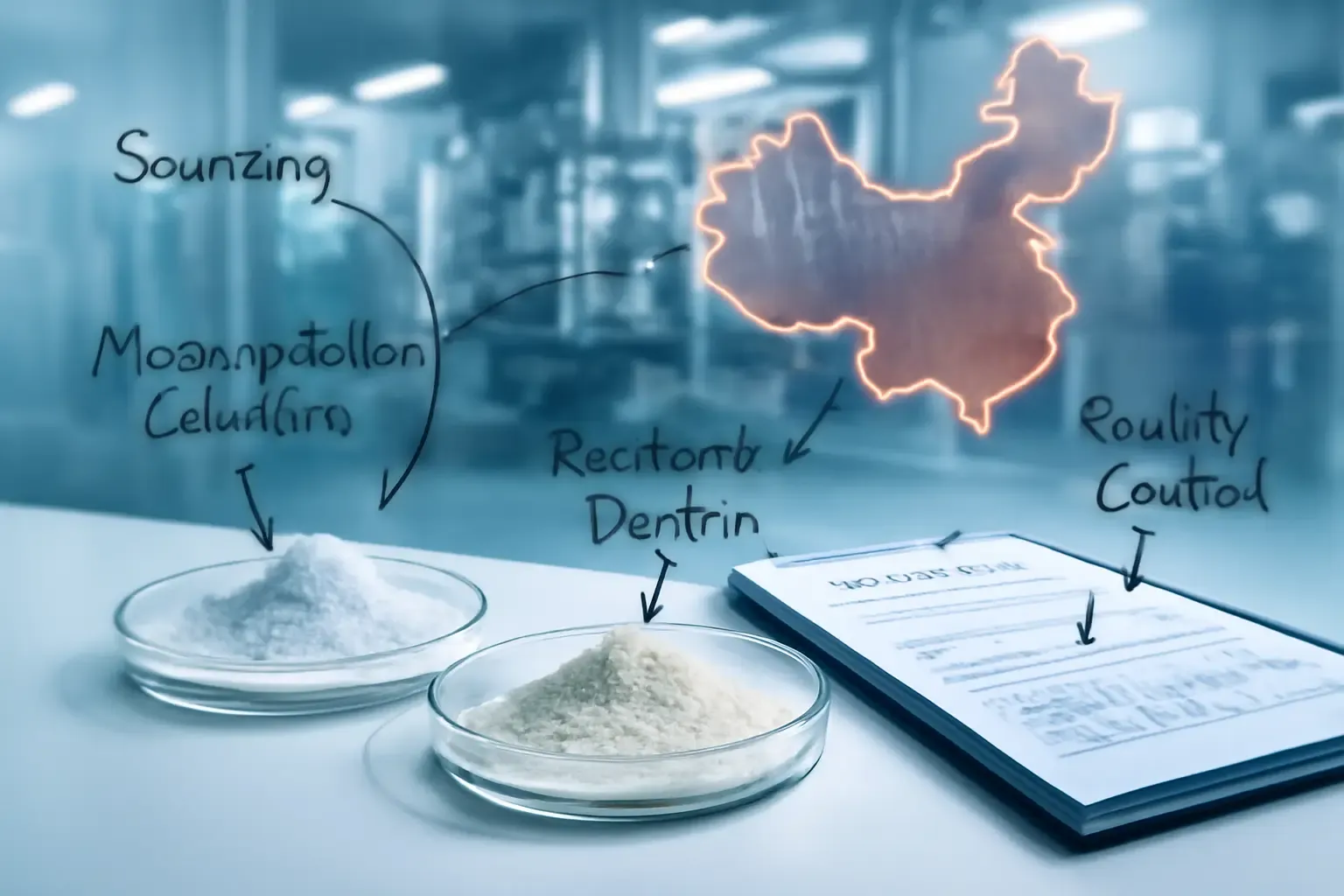
Global demand for soluble dietary fiber and reliable tablet excipients has pushed more procurement teams to evaluate a Chinese microcrystalline cellulose supplier alongside a resistant dextrin manufacturer China can scale with. The opportunity is substantial—pricing and capacity can be attractive—bu
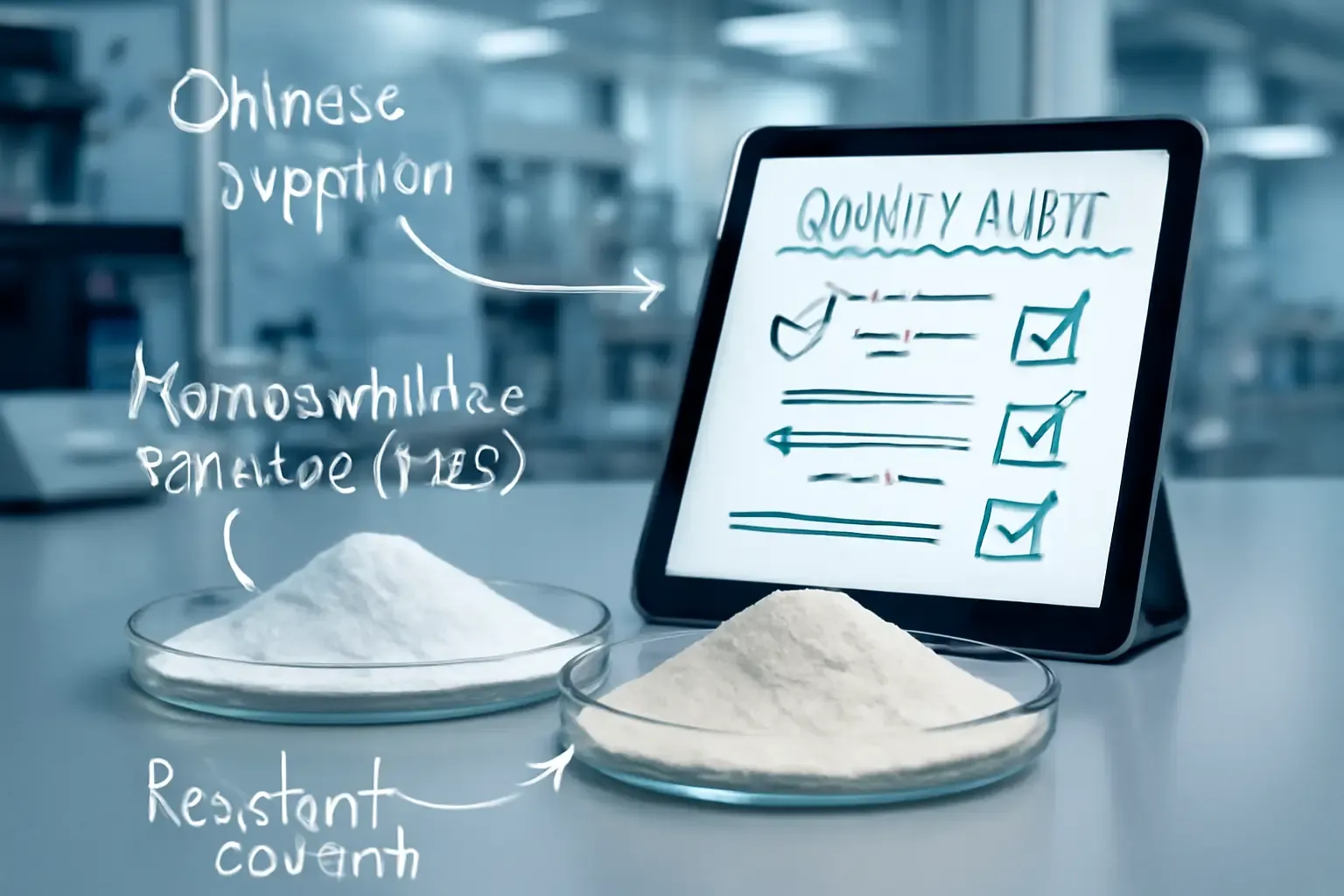
China remains a primary sourcing base for functional ingredients and pharmaceutical excipients—including microcrystalline cellulose (MCC), resistant dextrin, and polydextrose. Yet, procurement outcomes often depend on one critical factor: how systematically a supplier is verified before scale. This

A buyer looking for a China resistant dextrin supplier is rarely just purchasing “fiber.” They are securing a repeatable performance essential for beverages, powders, gummies, and low-carb foods—along with the paperwork and process control that ensure product launches stay on schedule. The same logi
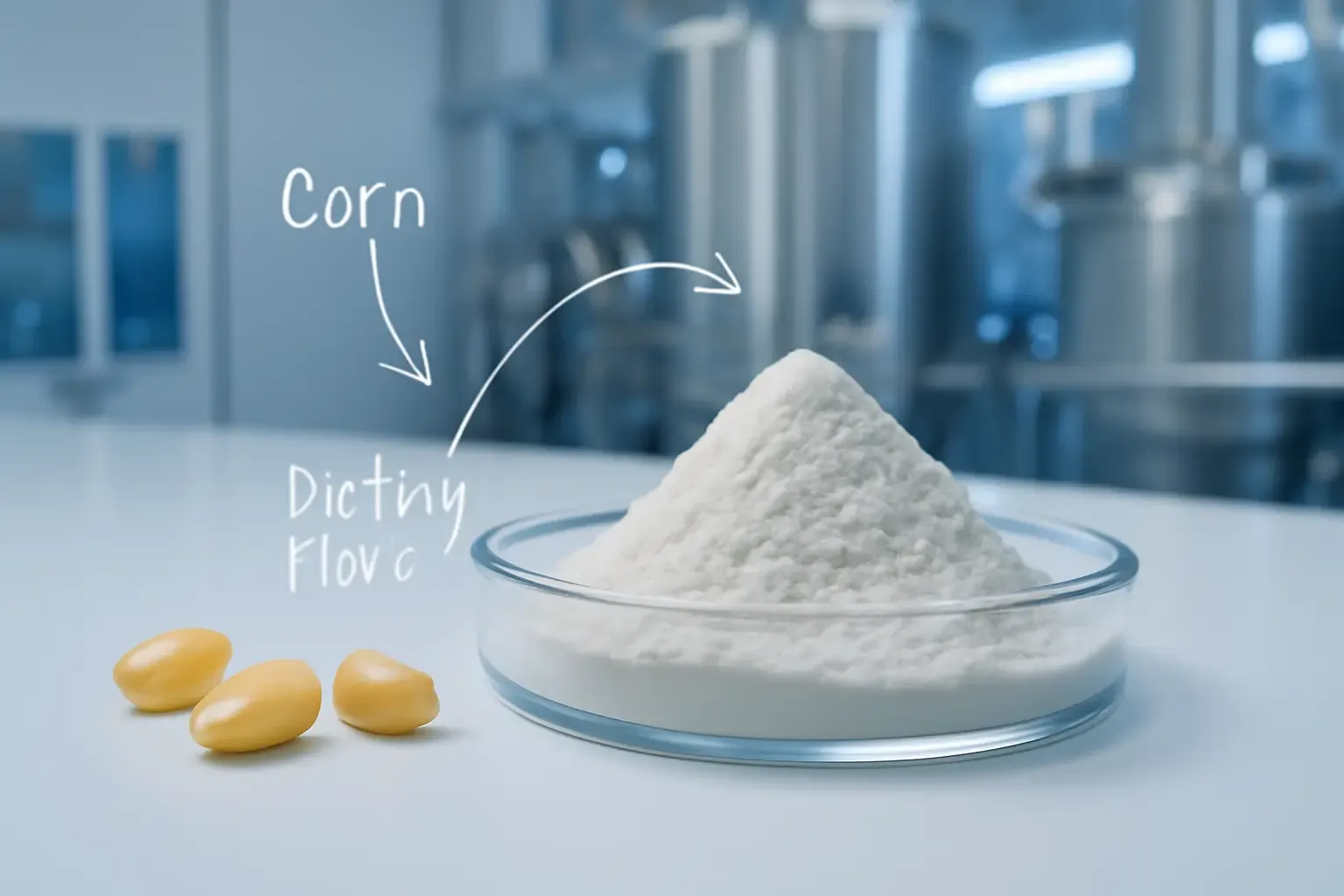
In 2026, “accessible nutrition” is pushing dietary fiber from a niche add-on into a mainstream requirement across functional beverages, low-carb snacks, and weight-management formats. For procurement teams, that shift changes the buying conversation: it is no longer just about price-per-kilo. It is
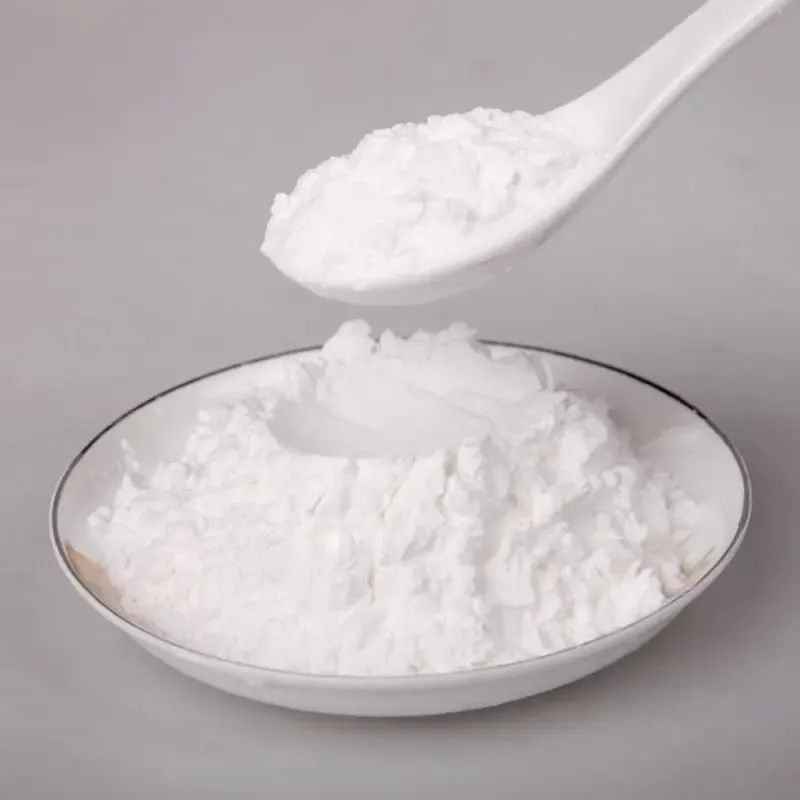
A global procurement team compares three quotes for the same two ingredients—microcrystalline cellulose and resistant dextrin. The pricing looks close, lead times look reasonable, and every vendor promises “stable quality.” Yet the risk is rarely in the quote. It’s in the **spec lines that were neve
Dietary fiber is moving from a “nice-to-have” claim to a product-planning requirement for 2026, while nutraceutical tablets and capsules continue to scale globally. That combination is putting two workhorse ingredients back under the procurement microscope: microcrystalline cellulose (MCC) for solid
When procurement teams compare offers for dietary fiber and excipients, the paperwork can look deceptively similar: a COA, a spec sheet, a few certifications, and an attractive FOB price. The risk shows up later—during pilot trials, scale-up, or label review—when an ingredient that seemed interchang
Procurement teams rarely lose time because of price alone. Delays usually come from preventable uncertainty : a missing NON‑GMO proof, an inconsistent COA, a fiber claim that doesn’t hold after heat processing, or a tablet run that fails because the excipient grade was misunderstood. For many global
In global tenders for dietary fiber and pharmaceutical excipients, China remains a dominant force—especially for Microcrystalline Cellulose (MCC) and resistant dextrin (often marketed as soluble corn fiber). Yet, procurement teams understand the inherent challenge: a strong marketplace listing does
Resistant dextrin has evolved from a niche functional add-on to a critical formulation backbone. For many beverage, bakery, and supplement development teams, this ingredient is now a core input that determines whether a label claim is defensible, whether a functional drink remains smooth, and whethe
A buyer-focused guide to selecting a recommended Chinese resistant dextrin manufacturer and microcrystalline cellulose supplier using 2026 demand signals and practical spec checks. 2026 demand signals that should change how you shortlist suppliers Two 2026 signals are especially relevant for procure
Fibre-forward product design has evolved beyond a simple marketing angle—it is now fundamentally shaping procurement language. Simultaneously, the pharmaceutical sector continues to tighten expectations for excipients like microcrystalline cellulose (MCC). Together, these distinct demand streams are
Global demand for soluble dietary fiber and reliable tablet excipients has pushed more procurement teams to evaluate a Chinese microcrystalline cellulose supplier alongside a resistant dextrin manufacturer China can scale with. The opportunity is substantial—pricing and capacity can be attractive—bu
China remains a primary sourcing base for functional ingredients and pharmaceutical excipients—including microcrystalline cellulose (MCC), resistant dextrin, and polydextrose. Yet, procurement outcomes often depend on one critical factor: how systematically a supplier is verified before scale. This
A buyer looking for a China resistant dextrin supplier is rarely just purchasing “fiber.” They are securing a repeatable performance essential for beverages, powders, gummies, and low-carb foods—along with the paperwork and process control that ensure product launches stay on schedule. The same logi
In 2026, “accessible nutrition” is pushing dietary fiber from a niche add-on into a mainstream requirement across functional beverages, low-carb snacks, and weight-management formats. For procurement teams, that shift changes the buying conversation: it is no longer just about price-per-kilo. It is
A global procurement team compares three quotes for the same two ingredients—microcrystalline cellulose and resistant dextrin. The pricing looks close, lead times look reasonable, and every vendor promises “stable quality.” Yet the risk is rarely in the quote. It’s in the **spec lines that were neve