
FOB price is merely the opening number when sourcing functional ingredients. For materials like resistant dextrin and microcrystalline cellulose, the actual cost often reveals itself downstream—through manufacturing yield, consumer complaints, lead times, and the need for formula adjustments. Every

Global demand for soluble fibers and dependable excipients is turning standard ingredients into strategic sourcing decisions. For many buyers, resistant dextrin (as a soluble dietary fiber) and microcrystalline cellulose MCC (as a stabilizer, texturizer, or tablet excipient) now sit on the critical

Fiber is moving from a mere nutrition add-on to a strategic cost center . When mainstream food and beverage leaders talk about fiber in the same breath as protein, it signals tighter capacity, more competition for high-spec lots, and higher stakes for formulation performance. Recent industry analyse

Global buyers increasingly treat microcrystalline cellulose (MCC) and resistant dextrin as “performance ingredients” rather than mere commodities. A seemingly cheap quote from a microcrystalline cellulose supplier China or a resistant dextrin supplier China can quickly become the most expensive opti

For many formulators and procurement teams, microcrystalline cellulose and resistant dextrin have become essential building blocks—MCC for flow, compressibility, and anti-caking; resistant dextrin for soluble fiber, prebiotic positioning, and stable performance in finished products. Yet the decision

Dietary fiber is rapidly transitioning from a simple “nice-to-have” marketing claim into a critical, budget-driving line item—especially for beverages, sugar-reduction projects, and high-fiber supplements headed for store shelves in the coming years. That shift fundamentally changes how procurement
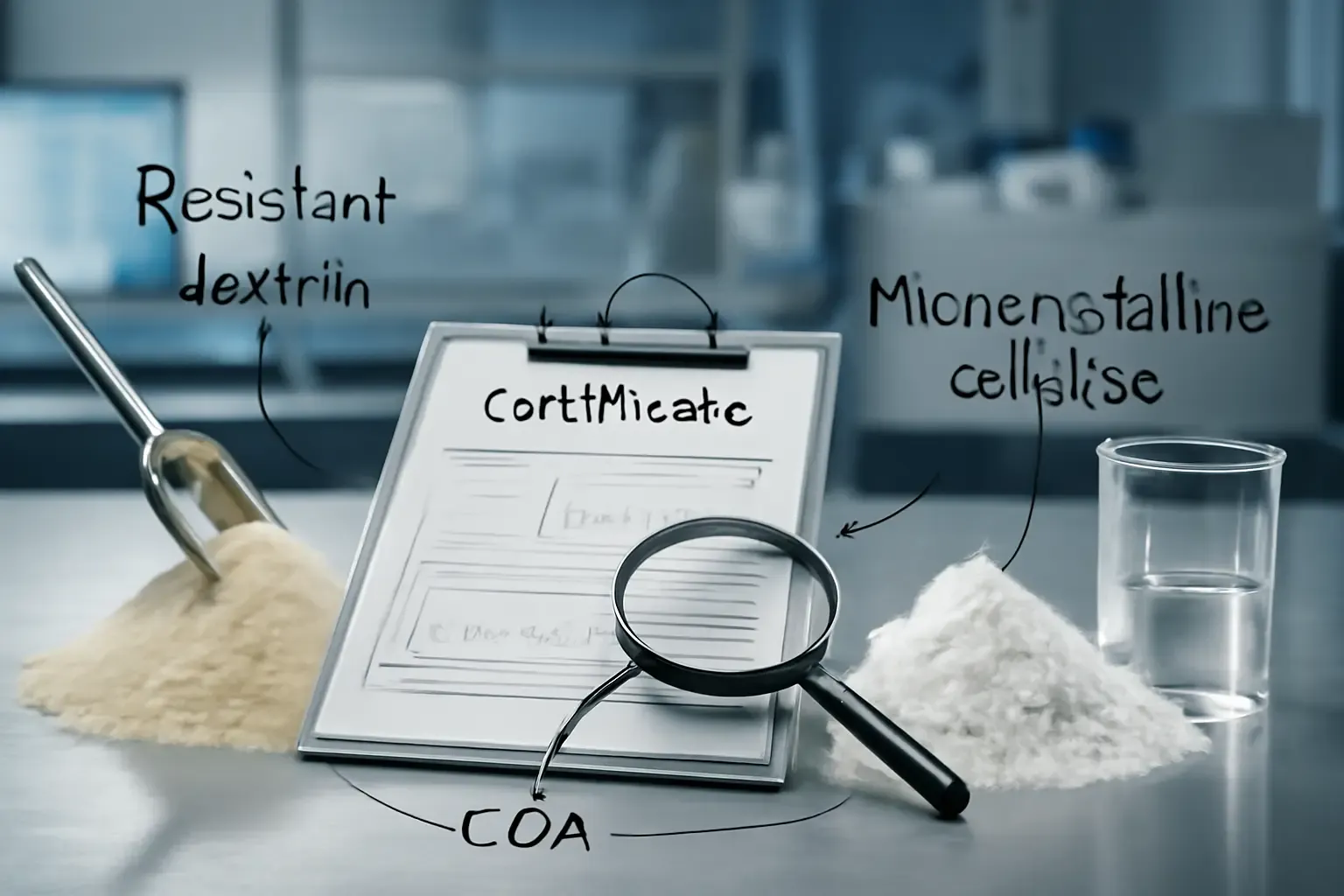
Global demand for soluble dietary fiber powder and tablet-grade excipients has shifted procurement conversations away from simply asking "Who is cheapest this quarter?" toward "Who can keep specifications stable for the next 12 to 24 months?" For many purchasing teams, this reality is most visible i
Procurement teams are treating soluble fiber and microcrystalline cellulose (MCC) less like commodity inputs and more like "systems ingredients" that affect claims, processing stability, and audit outcomes. That shift changes how buyers should compare a resistant dextrin supplier or a microcrystalli
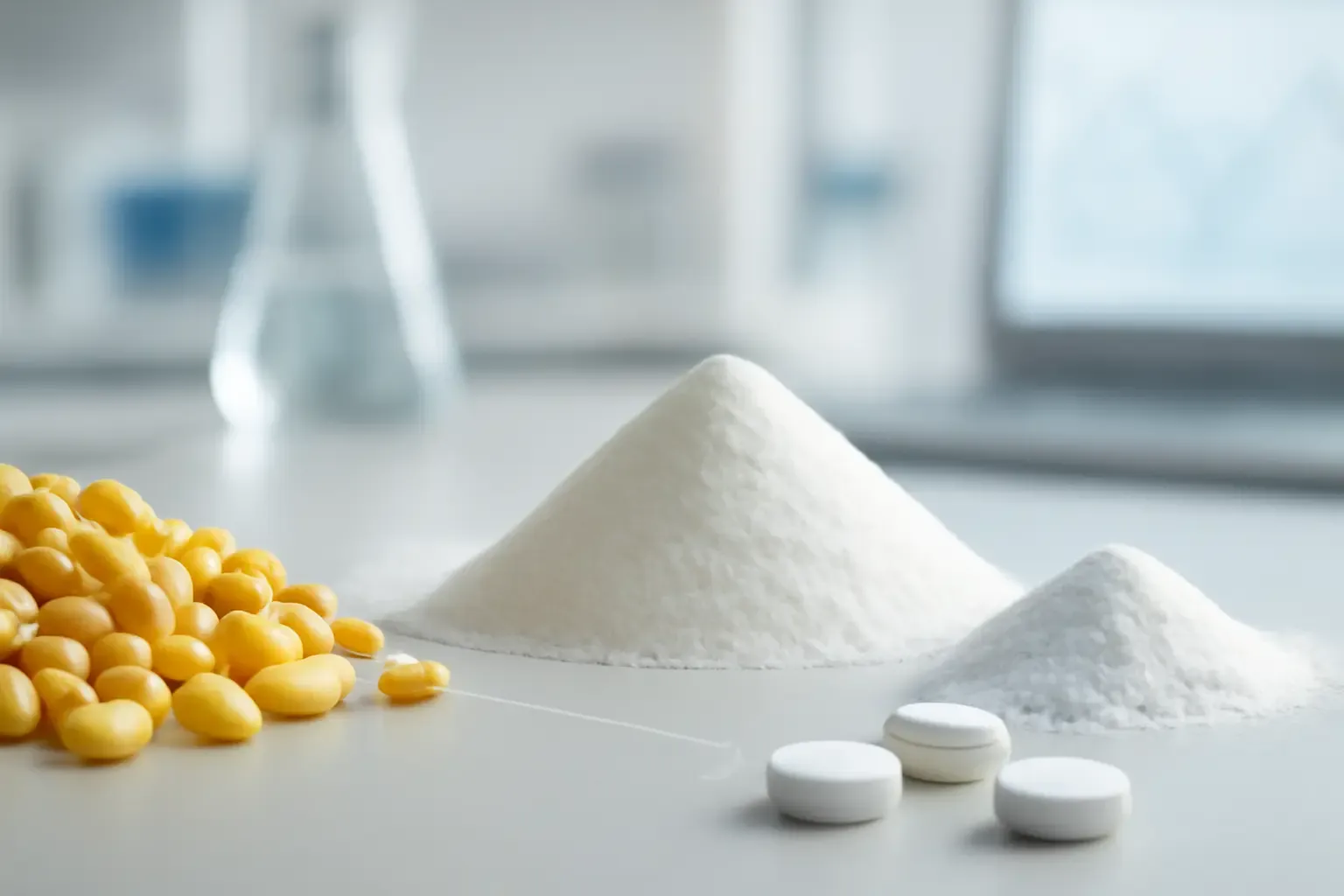
Procurement teams increasingly source resistant dextrin (often marketed as soluble corn fiber ) alongside microcrystalline cellulose (MCC) because the two functional ingredients frequently sit in the same production pipeline. One supports critical fiber fortification in modern foods, beverages, and

As fiber-forward product launches move from “nice-to-have” to “must-stock” in the coming years, that shift is fundamentally changing how procurement teams should evaluate a resistant dextrin supplier China quote or a microcrystalline cellulose supplier China offer. While unit price still matters, it
In 2026 procurement, resistant dextrin and microcrystalline cellulose (MCC) are increasingly quoted side by side—not because they are interchangeable, but because they influence the same commercial outcome: whether a finished product hits its nutrition, texture, and cost targets without a costly ref
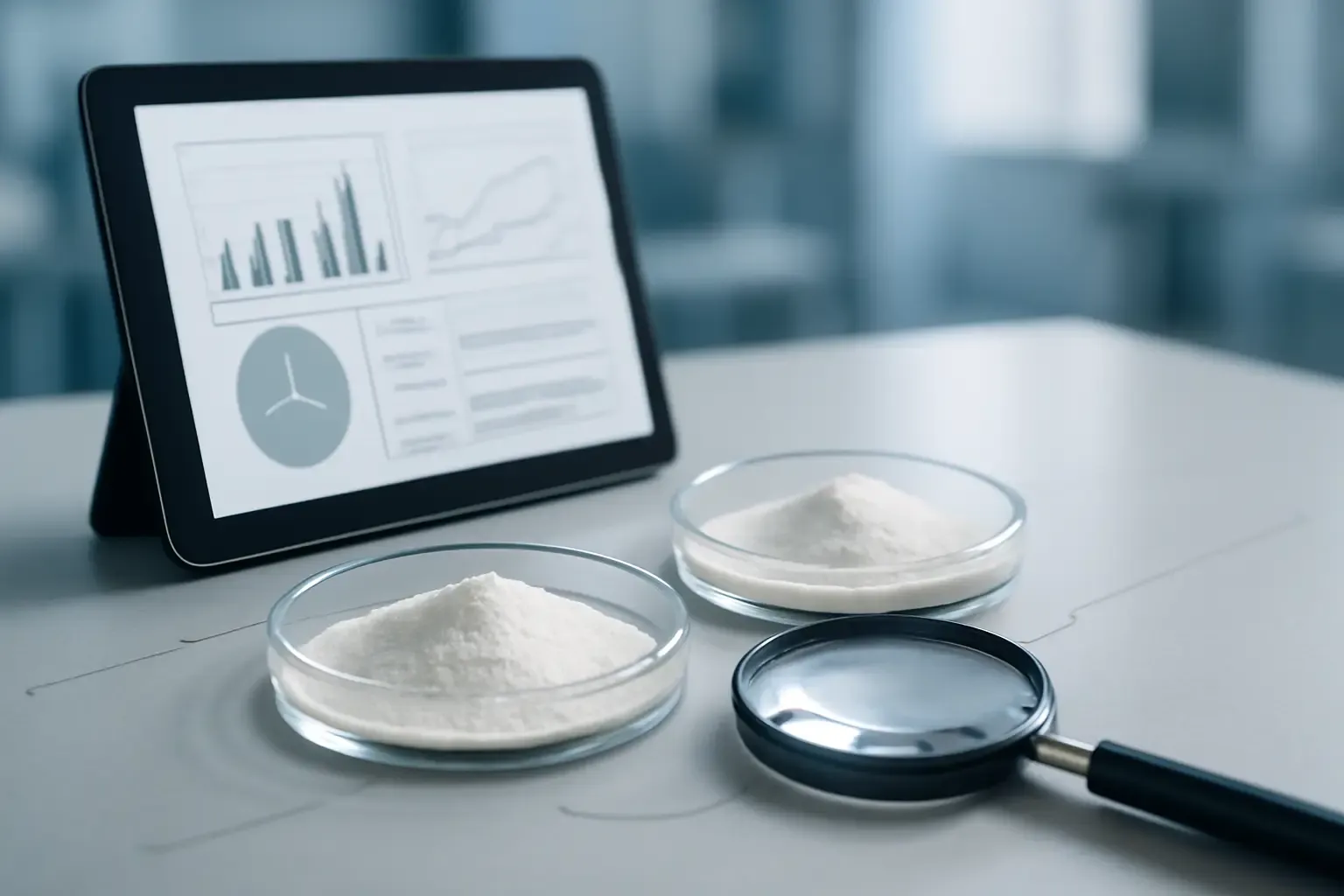
In 2026, merely sourcing "more fiber" falls short of market demands. Procurement teams are increasingly prioritizing verified functionality, documented sourcing, and predictable processing performance —and this shift is fundamentally changing how bids are evaluated for resistant dextrin , non-GMO so
FOB price is merely the opening number when sourcing functional ingredients. For materials like resistant dextrin and microcrystalline cellulose, the actual cost often reveals itself downstream—through manufacturing yield, consumer complaints, lead times, and the need for formula adjustments. Every
Global demand for soluble fibers and dependable excipients is turning standard ingredients into strategic sourcing decisions. For many buyers, resistant dextrin (as a soluble dietary fiber) and microcrystalline cellulose MCC (as a stabilizer, texturizer, or tablet excipient) now sit on the critical
Fiber is moving from a mere nutrition add-on to a strategic cost center . When mainstream food and beverage leaders talk about fiber in the same breath as protein, it signals tighter capacity, more competition for high-spec lots, and higher stakes for formulation performance. Recent industry analyse
Global buyers increasingly treat microcrystalline cellulose (MCC) and resistant dextrin as “performance ingredients” rather than mere commodities. A seemingly cheap quote from a microcrystalline cellulose supplier China or a resistant dextrin supplier China can quickly become the most expensive opti
For many formulators and procurement teams, microcrystalline cellulose and resistant dextrin have become essential building blocks—MCC for flow, compressibility, and anti-caking; resistant dextrin for soluble fiber, prebiotic positioning, and stable performance in finished products. Yet the decision
Dietary fiber is rapidly transitioning from a simple “nice-to-have” marketing claim into a critical, budget-driving line item—especially for beverages, sugar-reduction projects, and high-fiber supplements headed for store shelves in the coming years. That shift fundamentally changes how procurement
Global demand for soluble dietary fiber powder and tablet-grade excipients has shifted procurement conversations away from simply asking "Who is cheapest this quarter?" toward "Who can keep specifications stable for the next 12 to 24 months?" For many purchasing teams, this reality is most visible i
Procurement teams are treating soluble fiber and microcrystalline cellulose (MCC) less like commodity inputs and more like "systems ingredients" that affect claims, processing stability, and audit outcomes. That shift changes how buyers should compare a resistant dextrin supplier or a microcrystalli
Procurement teams increasingly source resistant dextrin (often marketed as soluble corn fiber ) alongside microcrystalline cellulose (MCC) because the two functional ingredients frequently sit in the same production pipeline. One supports critical fiber fortification in modern foods, beverages, and
As fiber-forward product launches move from “nice-to-have” to “must-stock” in the coming years, that shift is fundamentally changing how procurement teams should evaluate a resistant dextrin supplier China quote or a microcrystalline cellulose supplier China offer. While unit price still matters, it
In 2026 procurement, resistant dextrin and microcrystalline cellulose (MCC) are increasingly quoted side by side—not because they are interchangeable, but because they influence the same commercial outcome: whether a finished product hits its nutrition, texture, and cost targets without a costly ref
In 2026, merely sourcing "more fiber" falls short of market demands. Procurement teams are increasingly prioritizing verified functionality, documented sourcing, and predictable processing performance —and this shift is fundamentally changing how bids are evaluated for resistant dextrin , non-GMO so